
Life With Pets / Getting Started
When Should You Change Your Vet?
Our pets are family, and most of us place real trust in our vet when it comes to their health. Even so, there are warning signs worth watching for.
4 min read
Life With Pets / Getting Started
A simple rule of thumb applies here: if it feels too cold outside for a person, it is probably too cold for a pet as well. A fur coat does not mean an animal stops feeling the cold, and keeping pets w
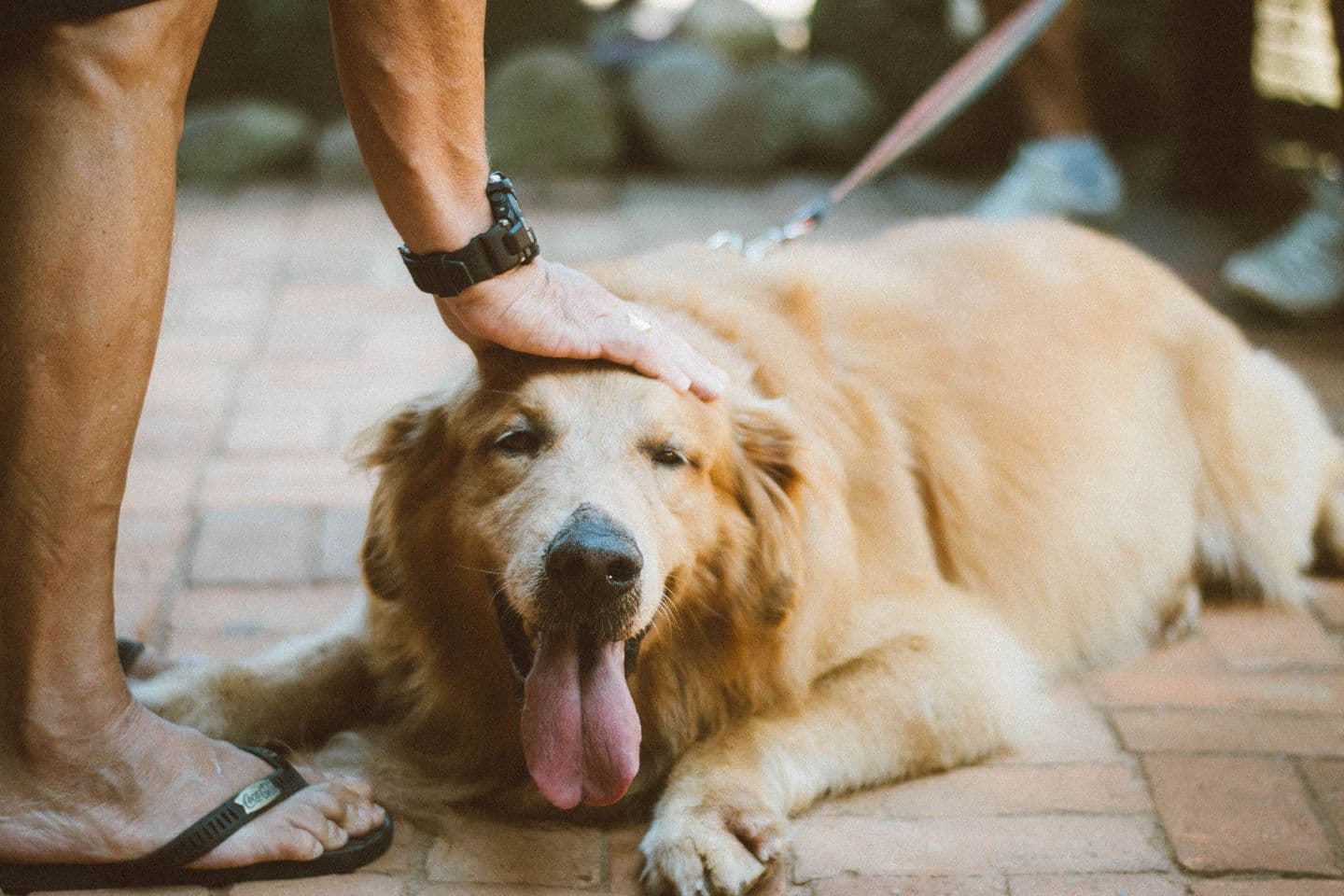
A simple rule of thumb applies here: if it feels too cold outside for a person, it is probably too cold for a pet as well. A fur coat does not mean an animal stops feeling the cold, and keeping pets warm through winter matters for their overall health and comfort.
Hypothermia can be fatal, yet the early signs, shivering and a body that feels cold to the touch, often go unnoticed. Indoor pets are unlikely to develop hypothermia unless the house itself is very cold, or the pet has been left wet after a bath or a walk without being dried off. Always dry a dog thoroughly after a walk and remove any snow or ice, and dry a cat that comes in wet. Severe hypothermia brings lethargy, disinterest in normal activities, and a generally depressed demeanour. Assuming a fur coat is protection enough is a common mistake, so it pays to watch for these signs rather than assume a pet is fine.
The simplest solution is bringing pets into the house for the winter months. If full access is not wanted, a dedicated space, such as a utility room or dining area, works well.
Just as thicker duvets and extra blankets come out for people in winter, pets often appreciate an extra blanket or a warmer bed once the cold sets in.
Some dogs have no interest in wearing a coat or jumper, while others enjoy being snug in a fleece layer. For smaller or short-haired breeds, clothing can become more of a necessity in colder months. When introducing clothing, short sessions while someone is around help a dog get used to it, provided there is no sign of stress.
Heated beds or blankets make a welcome addition during the coldest months. For pets left alone during the day, leaving the heating on low, or using a timer to switch it on and off at set times, can help if the house tends to get cold.
Crying, whining, or scratching at the door often signals that a pet is too cold. Any change in behaviour is worth investigating, and a vet visit is sensible if there is real concern.
Antifreeze is toxic to pets, and its sweet taste makes it dangerously attractive. Clean up any spills straight away and keep containers well out of reach. A pet suspected of ingesting antifreeze should go straight to the vet. On walks, watch for a dog sniffing or licking at driveways or paths, since antifreeze may have leaked there.
Stay alert around any frozen pond, lake, or other body of water. Keep a dog on the lead near these spots, particularly one used to playing in water normally, since ice can crack under weight and become dangerous quickly.
Salt spread on roads and pavements can irritate paws, so washing and drying them after a walk is worthwhile. Trimming excess hair between the paws helps prevent ice building up, and a groomer can help if this feels tricky to do at home. Dog boots offer protection for sensitive paws, though they can take some getting used to, and a layer of petroleum jelly is another option.
Pets feeling the cold often try to get too close to a fire or heater, risking burns from sparks near an open fire, or contact with an electric heater. A fireguard is a sensible precaution, in the same way it would be with children in the house, and electric heaters can also be dangerous if knocked over.
It is worth checking with a vet before increasing a pet's food for winter. Unless activity levels are also increasing, more food is not usually needed, and pets can actually be more lethargic and burn fewer calories during colder months.
Senior pets need closer attention during cold weather, since arthritis can flare up in the cold. Regular gentle exercise and any prescribed supplements help, and extra care is needed to prevent older dogs slipping on icy paths.
Outdoor water bowls can freeze quickly once the temperature drops, especially overnight, so checking them regularly matters. Indoor bowls should not be affected.
A few simple additions keep both pets and owners safer and more visible on winter walks: high visibility jackets for owners walking at night, high visibility coats for dogs, reflective collars for cats and dogs, particularly important for cats to be seen by traffic, and reflective leads for dogs.
During poor winter weather, keeping a dog on the lead is always the safest option, since snow can hide hazards, and a dog may be tempted to wander onto a frozen lake or pond.
Keeping a pet's microchip details current, with an up to date address and contact information, and making sure the collar carries a proper ID tag, matters year round but is especially useful in winter conditions.
Following these steps should keep pets safe and comfortable through the cold months, though any ongoing health concerns are always worth a trip to the vet.
Article content © Ravi Teja. All rights reserved.
Life With Pets / Getting Started
Our pets are family, and most of us place real trust in our vet when it comes to their health. Even so, there are warning signs worth watching for.
4 min read
Life With Pets / Breeds
A Labrador and an Indie of the same weight can need completely different collar sizes. Online pet stores in India rarely make that obvious until the wrong parcel arrives.
3 min read
Life With Pets / Getting Started
Most of us love our pets fiercely, and we want to do right by them. The trouble is, a lot of the advice that gets handed down through families, friends and social media was never actually checked by a
5 min read