
Life With Pets / Getting Started
When Should You Change Your Vet?
Our pets are family, and most of us place real trust in our vet when it comes to their health. Even so, there are warning signs worth watching for.
4 min read
Life With Pets / Getting Started
A road trip with a puppy sounds idyllic in theory, windows down, ears flapping, the whole cinematic picture. The reality, at least for the first few trips, is closer to a logistics exercise than a sce
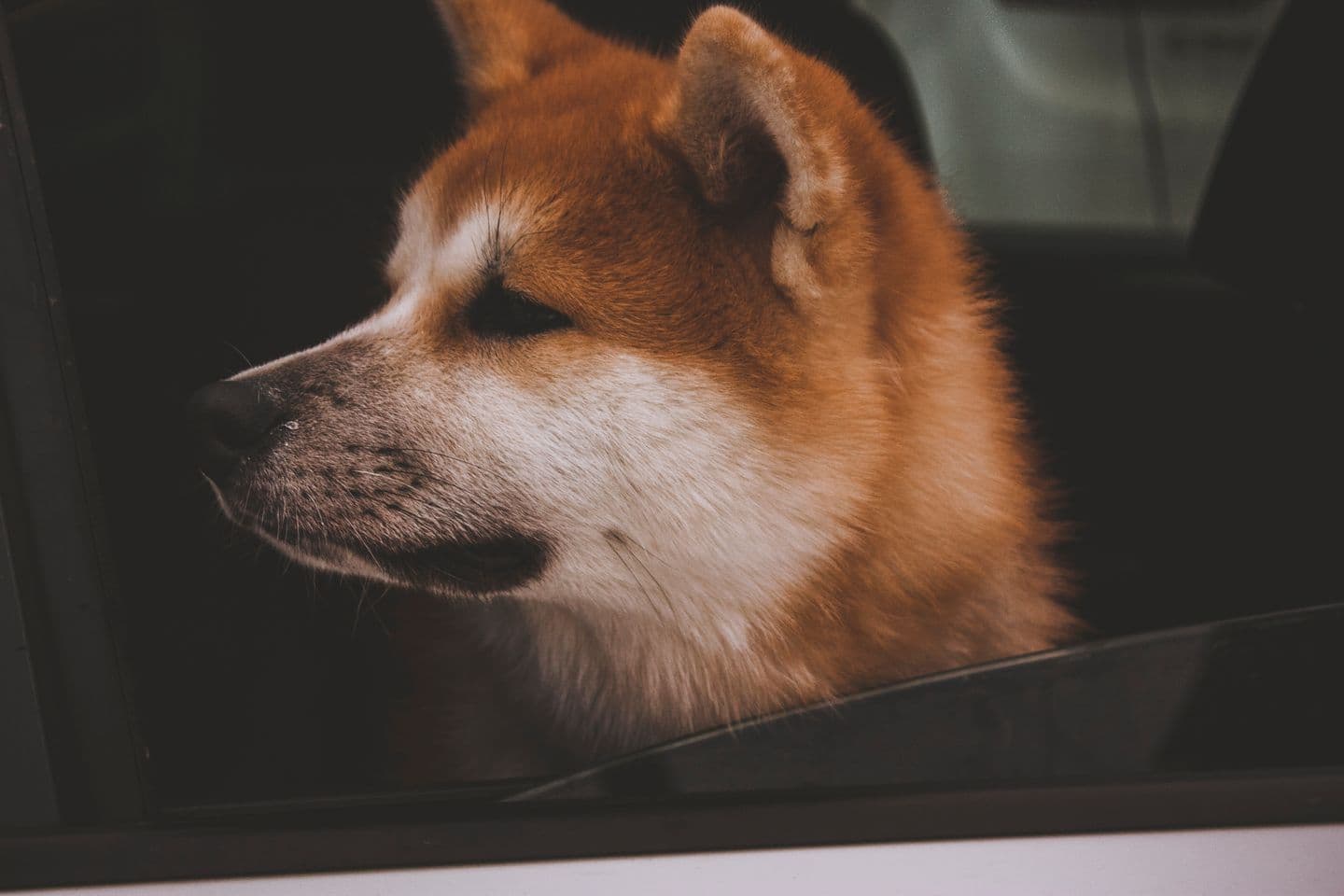
A road trip with a puppy sounds idyllic in theory, windows down, ears flapping, the whole cinematic picture. The reality, at least for the first few trips, is closer to a logistics exercise than a scenic drive, and a little preparation makes the difference between a manageable journey and a genuinely stressful one.
Do not make a puppy's first car experience a six-hour highway stretch. Start with short trips around the block, gradually working up to longer distances, so your puppy associates the car with something other than the one time they were driven straight to the vet for their first jab. A sensible progression looks something like this:
A secured carrier or a crash-tested harness clipped to the seatbelt is non-negotiable, both for your puppy's safety and yours. An unrestrained puppy bouncing around the cabin during sudden braking becomes a genuine hazard, not just to itself but as a distraction to the driver, particularly relevant on Indian highways where sudden stops are more the rule than the exception.
Feed a light meal a few hours before departure rather than immediately before, since travelling on a full stomach is one of the most common triggers for motion sickness in young dogs. Puppies are more prone to car sickness than adult dogs partly because their inner ear, which governs balance, has not fully developed yet, so do not be discouraged if the first few trips go poorly. Most puppies grow out of it within a few months of regular, gentle exposure.
Plan for stops roughly every two hours, more often if your puppy seems restless, both to offer water and a chance to relieve themselves. Never leave a puppy alone in a parked car, even briefly, even with windows cracked. Indian summer heat can turn a car's interior dangerous within minutes, and this remains one of the most preventable causes of pet emergencies on the road.
The first road trip with a new puppy rarely goes perfectly, and that is genuinely fine. Each trip gets a little easier as your dog builds familiarity with the car, the stops and the general rhythm of travel, until eventually, that cinematic picture of ears flapping out the window becomes less of an aspiration and more of an ordinary Sunday.
Article content © Ravi Teja. All rights reserved.
Life With Pets / Getting Started
Our pets are family, and most of us place real trust in our vet when it comes to their health. Even so, there are warning signs worth watching for.
4 min read
Life With Pets / Breeds
A Labrador and an Indie of the same weight can need completely different collar sizes. Online pet stores in India rarely make that obvious until the wrong parcel arrives.
3 min read
Life With Pets / Getting Started
Most of us love our pets fiercely, and we want to do right by them. The trouble is, a lot of the advice that gets handed down through families, friends and social media was never actually checked by a
5 min read