

Life With Pets / Getting Started
When Should You Change Your Vet?
Our pets are family, and most of us place real trust in our vet when it comes to their health. Even so, there are warning signs worth watching for.
4 min read
Life With Pets / Getting Started
Most new pet parents mean well and still stumble into the same handful of mistakes, often because nobody warns them in time. Here are seven of the most common, along with what to do instead and why ea
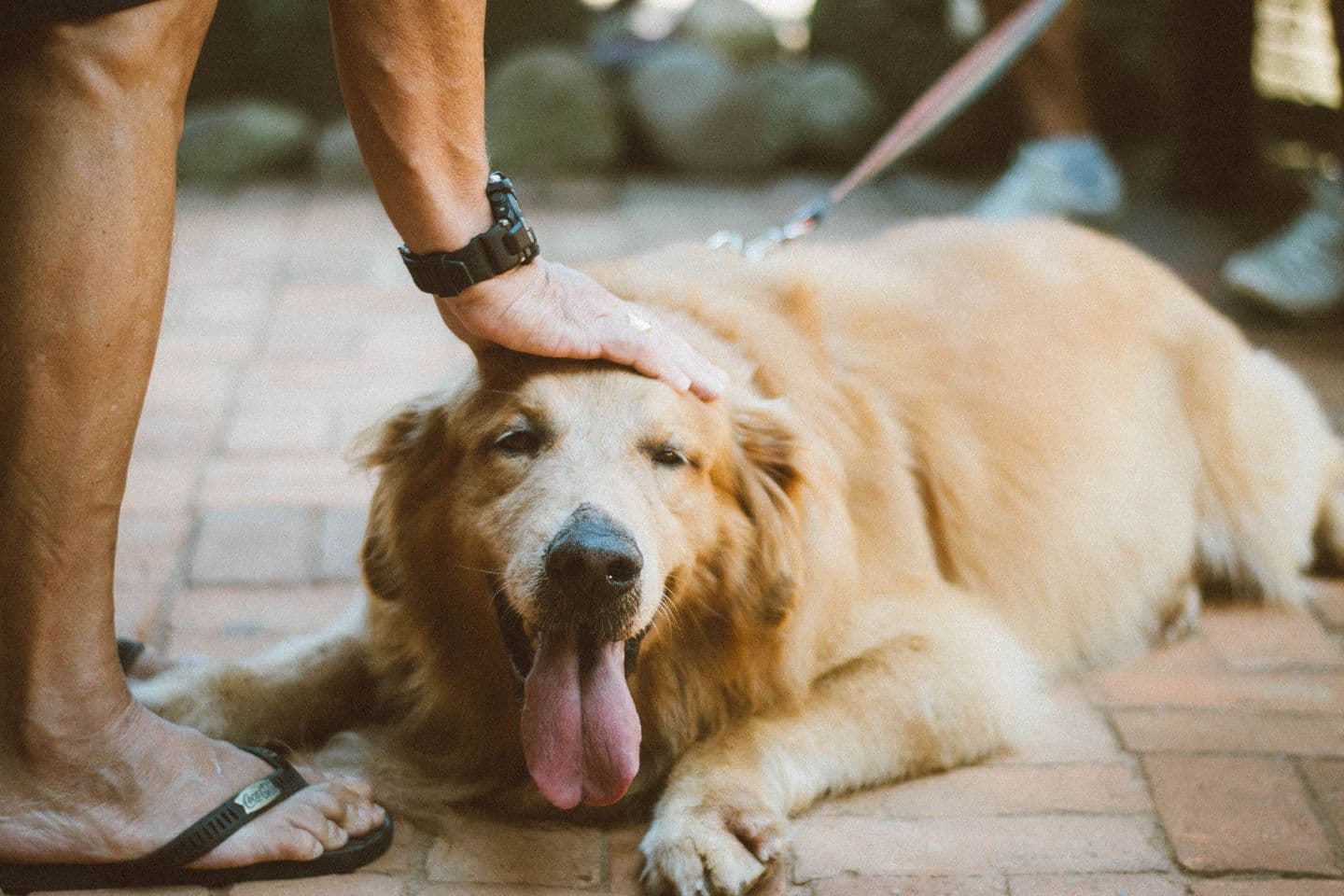
Most new pet parents mean well and still stumble into the same handful of mistakes, often because nobody warns them in time. Here are seven of the most common, along with what to do instead and why each one matters more than it might first appear.
Falling for a puppy's face at a pet store or online listing without researching its breed's energy levels, grooming needs or common health issues is one of the most frequent regrets. A high-energy breed in a small apartment with a sedentary owner is a mismatch that surfaces as behavioural problems within months. Spend time understanding what a breed actually needs, including its typical exercise requirements and known health predispositions, before falling for how it looks.
Waiting until symptoms appear before seeing a vet means missing the preventive window entirely. Vets do far more than treat sickness, they catch problems early and set a baseline for your pet's normal health markers, which makes it much easier to notice when something changes later.
Overfeeding out of love, or underfeeding out of uncertainty, both cause problems. Ask your vet for a feeding plan calibrated to your specific dog's age, size and activity level rather than guessing from the bag's general instructions, which are rarely precise enough for an individual animal.
A tired dog is usually a well-behaved dog. Skipping walks because of a busy schedule or unwelcoming weather often shows up later as chewing, digging or excessive barking, which are frequently just misdirected energy looking for an outlet.
Physical exercise alone is not enough. Puzzle toys, short training sessions and even a new walking route give a dog's mind something to work on, and boredom is a bigger driver of destructive behaviour than most new owners realise, particularly in intelligent working breeds that need a job to do.
Letting cute puppy behaviour slide because it seems harmless, only to be frustrated when the same behaviour continues in a fully grown adult dog, is a classic and avoidable trap. Establish boundaries from day one, gently but consistently, since a behaviour tolerated at eight weeks is far harder to unlearn at eight months.
In shared Indian housing, this one matters more than most first-time owners realise. A little courtesy here goes a long way toward keeping your building pet-friendly for everyone, including future pet owners in your society. It generally comes down to a short list of habits:
None of these mistakes are catastrophic on their own, and nearly every experienced pet owner has made a few of them. What matters is catching the pattern early and adjusting, rather than assuming these are simply permanent traits of your dog rather than fixable habits of the household.
Article content © Ravi Teja. All rights reserved.
Life With Pets / Getting Started
Our pets are family, and most of us place real trust in our vet when it comes to their health. Even so, there are warning signs worth watching for.
4 min read
Life With Pets / Breeds
A Labrador and an Indie of the same weight can need completely different collar sizes. Online pet stores in India rarely make that obvious until the wrong parcel arrives.
3 min read

Life With Pets / Getting Started
Most of us love our pets fiercely, and we want to do right by them. The trouble is, a lot of the advice that gets handed down through families, friends and social media was never actually checked by a
5 min read