
Life With Pets / Getting Started
When Should You Change Your Vet?
Our pets are family, and most of us place real trust in our vet when it comes to their health. Even so, there are warning signs worth watching for.
4 min read
Life With Pets / Getting Started
If you have ever felt your mood lift the moment your dog greets you at the door, tail going like a metronome set to double speed, you are not imagining the effect, and you are certainly not alone. The
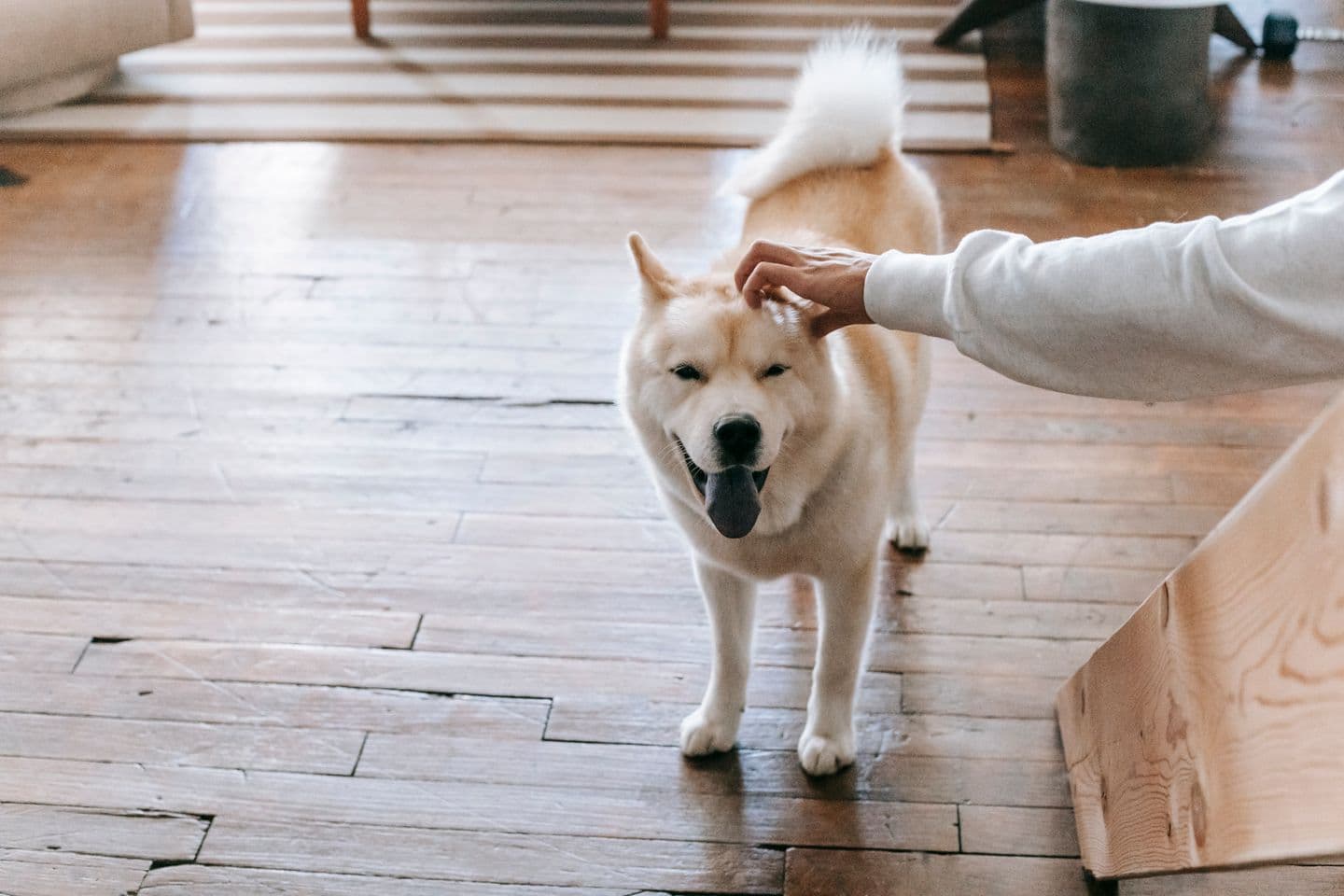
If you have ever felt your mood lift the moment your dog greets you at the door, tail going like a metronome set to double speed, you are not imagining the effect, and you are certainly not alone. There is real biochemistry behind that feeling, and scientists have spent the last decade mapping exactly what happens in the brain and body when humans and dogs interact.
The central character in this story is oxytocin, often nicknamed the love hormone because of its role in bonding between mothers and infants. A landmark 2015 study published in the journal Science found that when dogs and their owners gazed into each other's eyes, both species experienced a rise in oxytocin levels, in some cases close to 300 percent. This mutual gaze effect appears to be unusually strong in the dog-human relationship, likely a product of thousands of years of co-evolution, and researchers have described it as functionally similar to the bonding loop seen between a parent and an infant.
Oxytocin does not work alone. It reduces cortisol, the stress hormone, and activates the vagus nerve, which helps the body shift out of a fight-or-flight state into something calmer. Petting a dog for just ten minutes has been shown to measurably lower cortisol levels, part of why animal-assisted therapy has become such a common feature in hospitals, schools and even courtrooms internationally.
There is a dopamine angle too. Interacting with a pet activates the brain's reward pathway in much the same way that pleasurable social interactions with people do, reinforcing the desire to repeat the behaviour. This is one reason dog owners report a genuine sense of anticipation and joy at the prospect of a walk or a play session, not unlike the anticipation before meeting a close friend, and it may partly explain why a daily walk with a dog rarely feels like the same chore as, say, a daily gym session.
This matters in a country where urban stress is climbing steadily. Bengaluru, Mumbai and Delhi consistently rank among the more demanding cities to live and work in, driven by long commutes and punishing work cultures. A growing number of Indian professionals report that a pet at home functions as a genuine decompression mechanism after a difficult workday, something to physically care for that has nothing to do with a laptop screen or a deadline. A few small habits seem to make the most of this effect:
It is worth adding a note of caution here, because the pet effect is not universally proven in every study. Some researchers describe what they call the pet effect paradox, where large surveys report strong subjective benefits from pet ownership, yet controlled studies sometimes fail to find statistically significant differences in loneliness or depression scores between pet owners and non-owners once other factors are accounted for. The likely explanation is that the benefit is not automatic. It depends heavily on the quality of the bond, not merely on having an animal in the house, so a neglected pet is unlikely to deliver the same effect as one who is genuinely part of the household's daily rhythm.
What the science does support, consistently, is the biochemical reality of that eye contact, that ten minutes of petting, that moment of coming home to something happy to see you. Whether or not it shows up cleanly in every research paper, most pet owners in India and elsewhere will tell you they did not need a study to know it works.
Article content © S Vejay Anand. All rights reserved.
Life With Pets / Getting Started
Our pets are family, and most of us place real trust in our vet when it comes to their health. Even so, there are warning signs worth watching for.
4 min read
Life With Pets / Breeds
A Labrador and an Indie of the same weight can need completely different collar sizes. Online pet stores in India rarely make that obvious until the wrong parcel arrives.
3 min read

Life With Pets / Getting Started
Most of us love our pets fiercely, and we want to do right by them. The trouble is, a lot of the advice that gets handed down through families, friends and social media was never actually checked by a
5 min read