
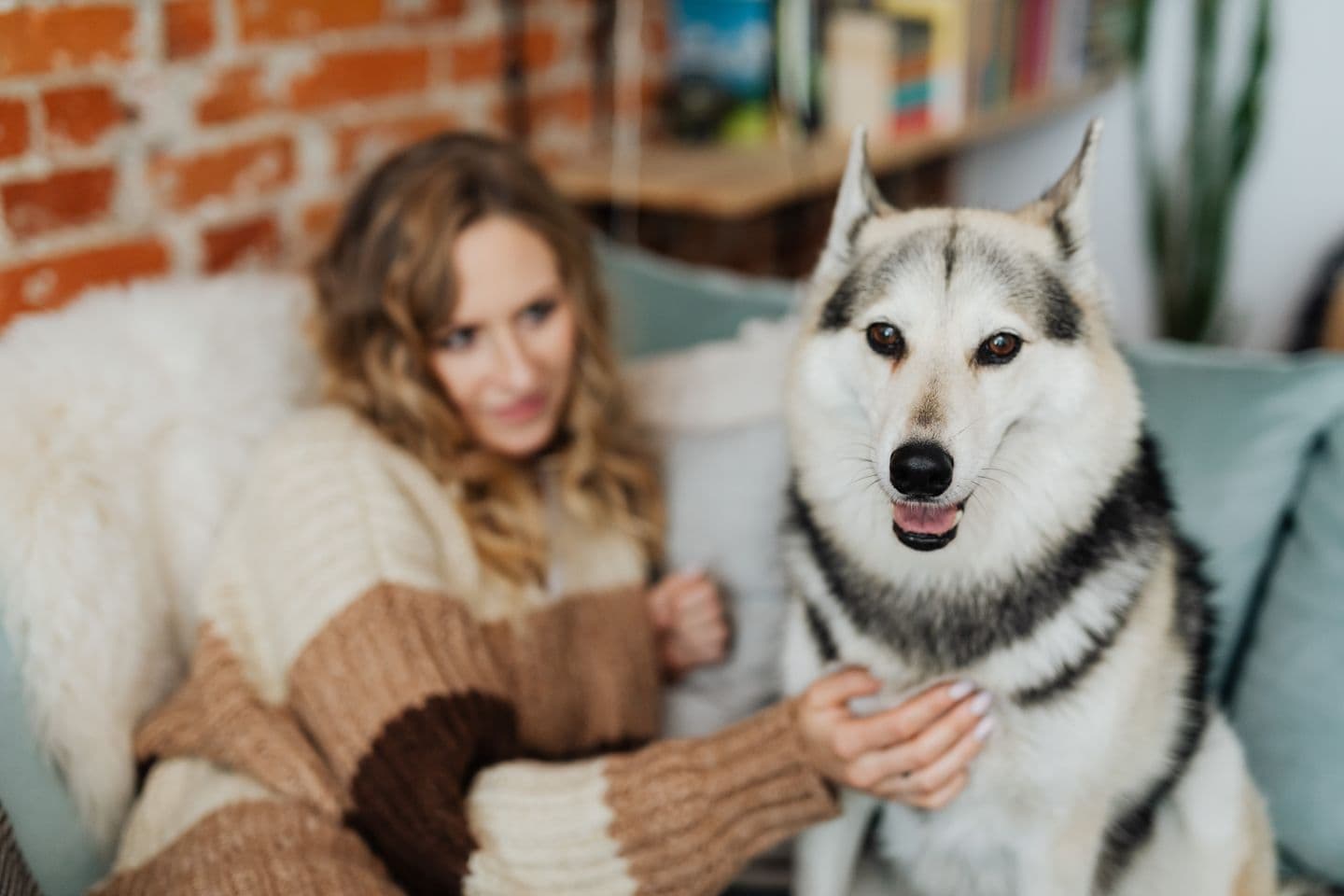
Life With Pets / Getting Started
When Should You Change Your Vet?
Our pets are family, and most of us place real trust in our vet when it comes to their health. Even so, there are warning signs worth watching for.
4 min read
Life With Pets / Behaviour
Anyone with both a dog and a garden in India has eventually stared at a patch of yellowed, dying grass and wondered what exactly their pet did to deserve blame. The answer, as it turns out, has less t
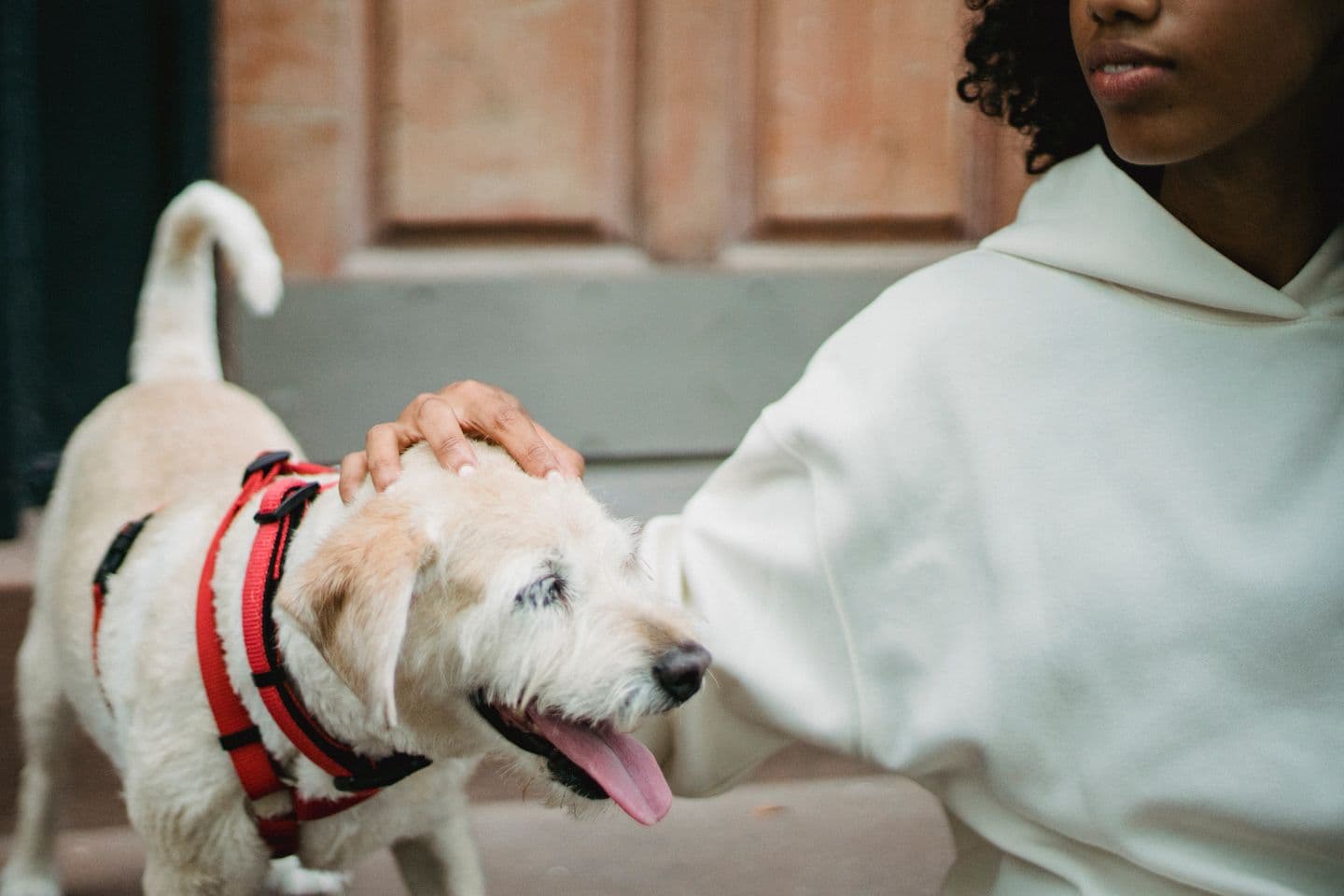
Anyone with both a dog and a garden in India has eventually stared at a patch of yellowed, dying grass and wondered what exactly their pet did to deserve blame. The answer, as it turns out, has less to do with bad behaviour and more to do with basic chemistry.
Dog urine contains concentrated nitrogen, a byproduct of protein breakdown in the body. In small, well-distributed amounts, nitrogen actually acts as a natural fertiliser, which is why you will sometimes see a ring of unusually lush, dark green grass surrounding a dead brown centre. The outer ring gets diluted nitrogen that feeds the grass, while the concentrated centre effectively burns it, the same way over-fertilising with a nitrogen-rich lawn product would.
The most effective and simplest fix is dilution. Watering the spot immediately after your dog urinates, even a quick dousing from a mug or a hose, disperses the nitrogen before it concentrates enough to damage the grass. Keeping your dog well hydrated throughout the day also helps naturally, since more water intake means more diluted urine overall, particularly relevant during Indian summers when dehydration is already a concern for outdoor pets.
If you are planning or replanting a lawn, grass type matters more than most people realise. In Indian conditions, doob grass and Bermuda varieties tend to tolerate nitrogen exposure reasonably well compared to more delicate ornamental lawns, making them a more forgiving choice for households with dogs. Many trainers and landscaping experts also recommend training a dog to use one small, designated area of the garden, perhaps a gravel or mulch patch, rather than the whole lawn indiscriminately. This confines the damage to one manageable spot rather than scattering unsightly patches across an otherwise healthy garden.
A dog and a decent lawn are not mutually exclusive, despite what a patchy garden might suggest. A little quick action after each visit to the garden, and a bit of thought in your grass choice, keeps both your pet and your garden considerably happier.
Article content © Ravi Teja. All rights reserved.
Life With Pets / Getting Started
Our pets are family, and most of us place real trust in our vet when it comes to their health. Even so, there are warning signs worth watching for.
4 min read
Life With Pets / Breeds
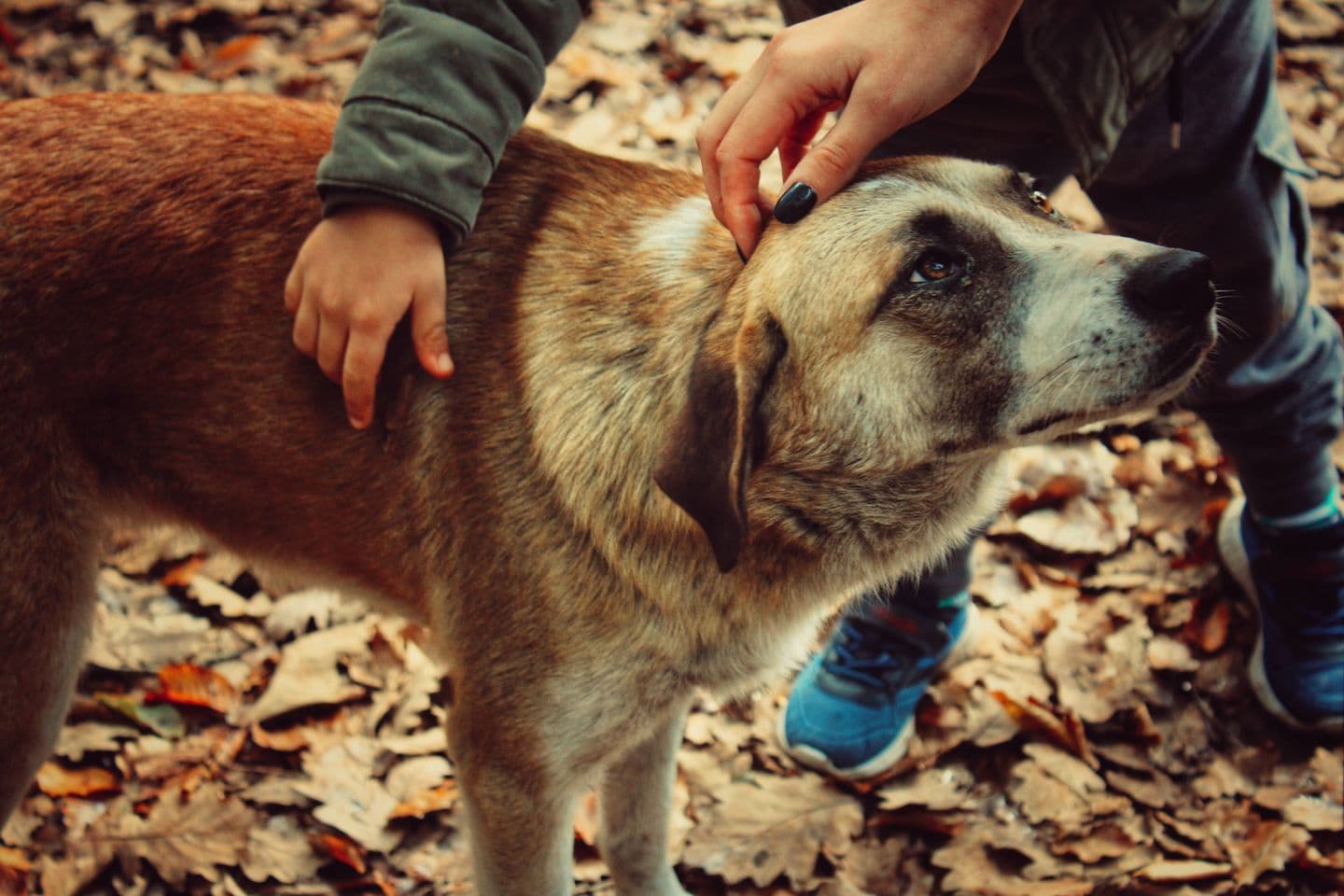
A Labrador and an Indie of the same weight can need completely different collar sizes. Online pet stores in India rarely make that obvious until the wrong parcel arrives.
3 min read
Life With Pets / Getting Started
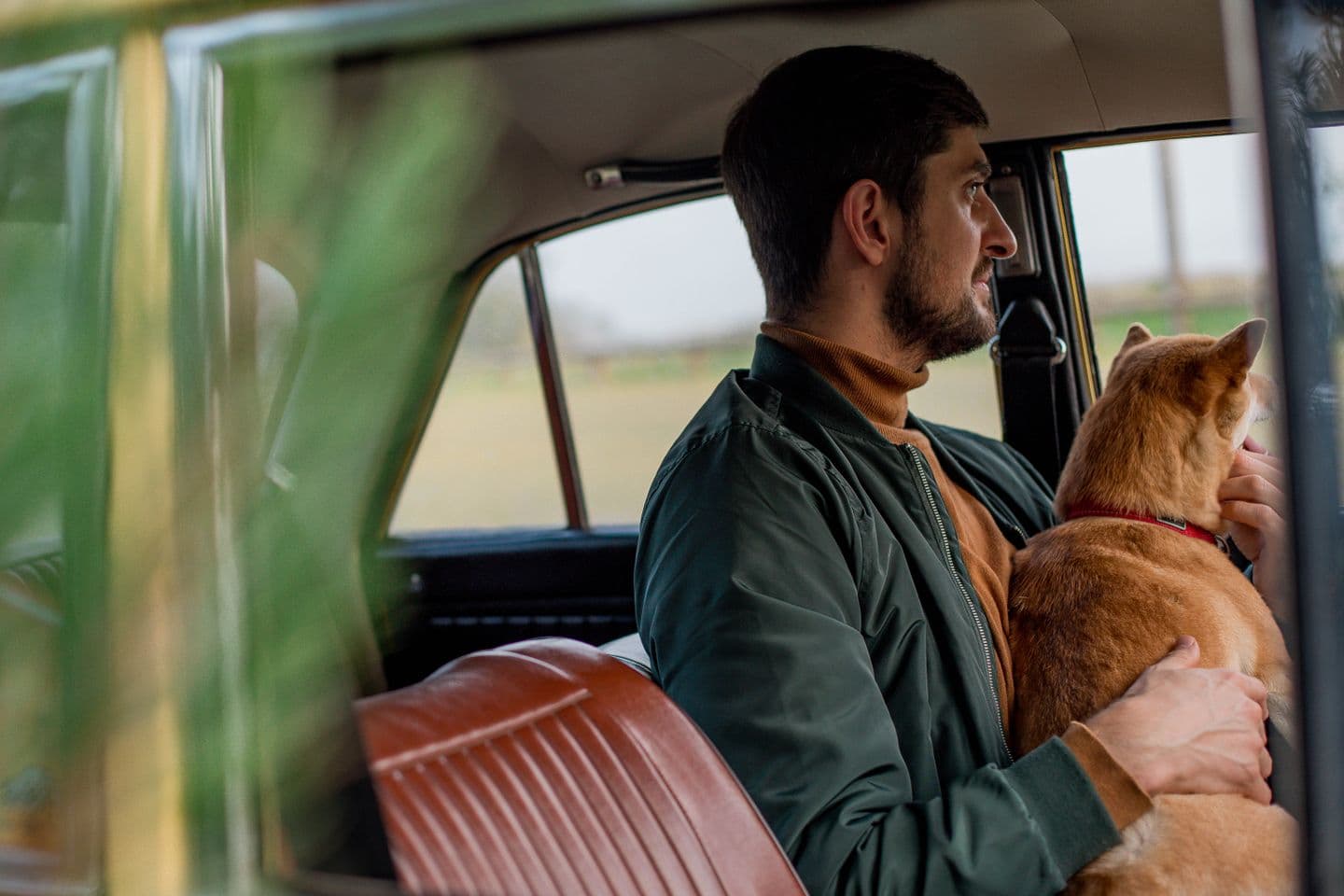
Most of us love our pets fiercely, and we want to do right by them. The trouble is, a lot of the advice that gets handed down through families, friends and social media was never actually checked by a
5 min read