India's climate, warm for much of the year across most regions, makes an outdoor pond a genuinely appealing option for keepers of aquatic turtles. Done well, it offers more space, natural sunlight, an
India's climate, warm for much of the year across most regions, makes an outdoor pond a genuinely appealing option for keepers of aquatic turtles. Done well, it offers more space, natural sunlight, and a more active, natural looking turtle than an indoor tank usually allows.
Why an outdoor pond can work well in India
Natural sunlight provides UVB more effectively than most artificial bulbs, and the extra space lets turtles swim, bask, and behave more naturally. For keepers in warmer states, an outdoor pond can be a turtle's primary home for most of the year rather than an occasional treat.
Designing a safe pond
A few design choices make the difference between a thriving pond and a constant source of worry.
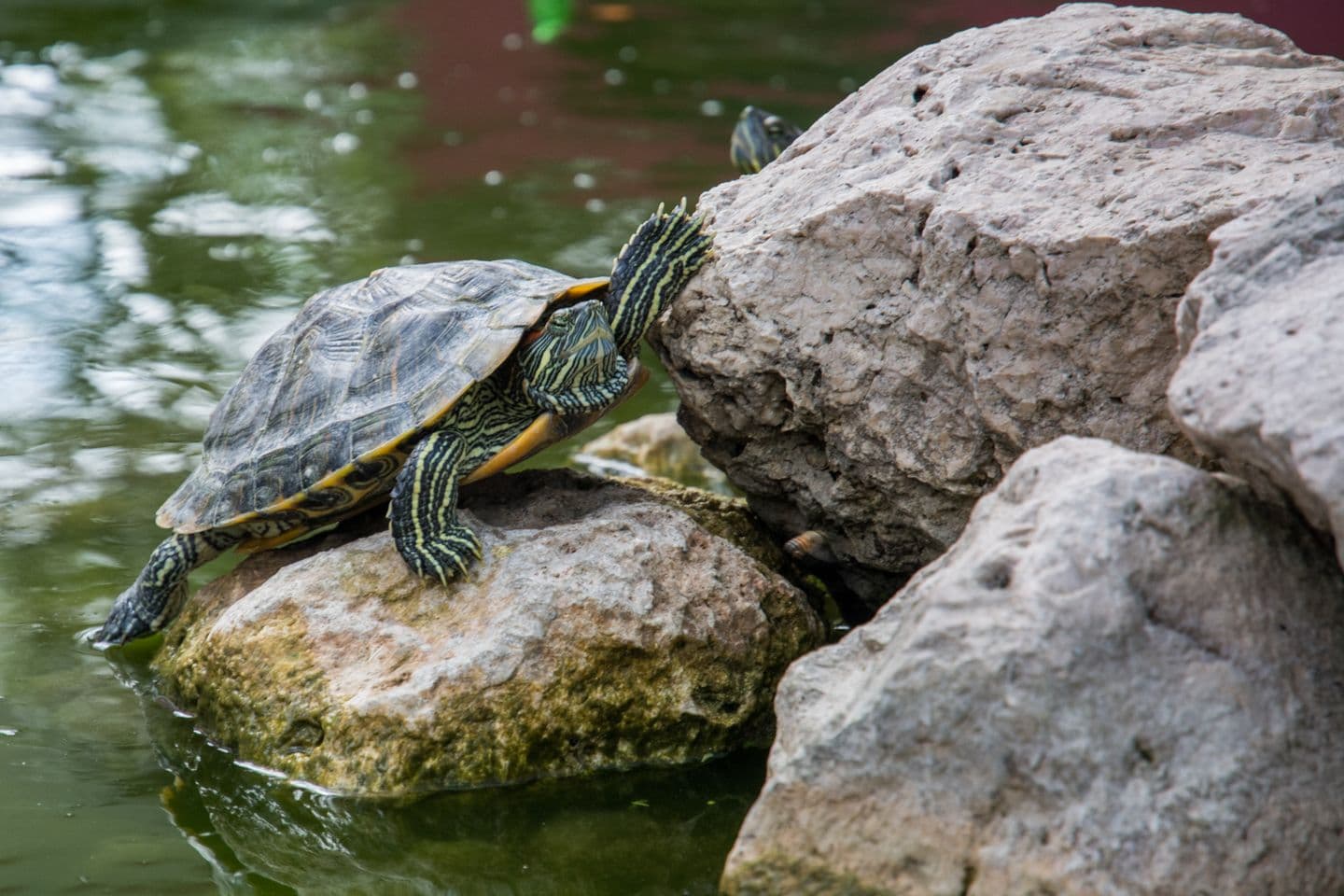
Include both deep water for swimming and a shallow, gently sloped basking area
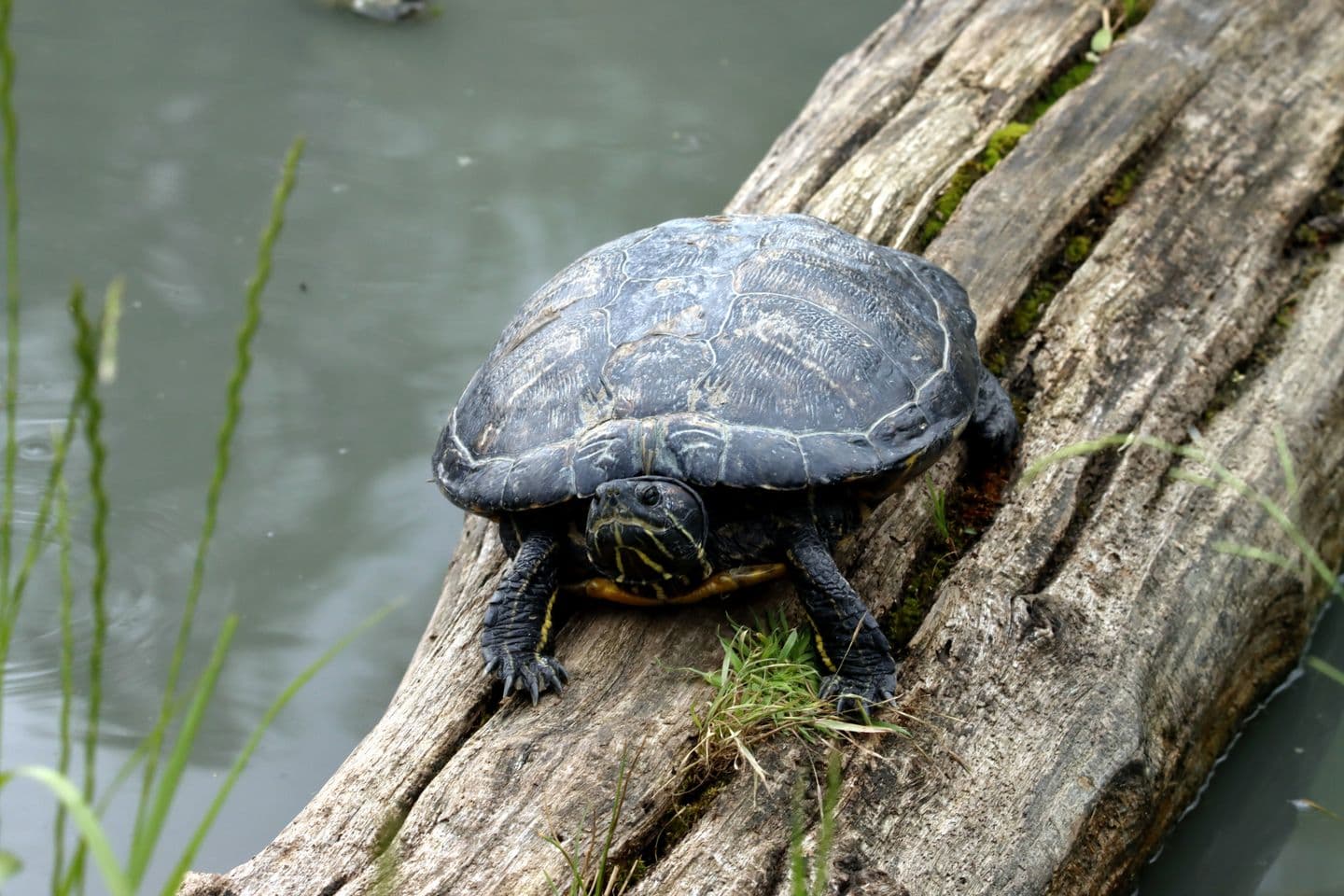
Add a dry basking platform positioned to catch direct sun for several hours a day
Provide shade, since turtles can overheat in peak summer sun without an escape option
Secure the perimeter against crows, cats, mongooses, and, in some areas, monkeys, all of which can injure or kill smaller turtles
Fence or wall the pond edge high enough to stop the turtle from wandering off, since owners rarely realise how far a determined turtle can travel
Seasonal considerations
Peak summer heat in much of India can push water temperatures uncomfortably high, so shade and adequate water depth matter more than owners often expect. During the monsoon, ponds can overflow or become contaminated by run off, so a raised edge and good drainage help keep water quality stable. In the cooler winter months across northern India, owners may need to bring turtles indoors overnight or provide supplemental heating.
Keeping pond water healthy
Outdoor ponds are more forgiving than indoor tanks because of their larger volume and natural filtration from plants, but they are not maintenance free. Regular checks for algae overgrowth, mosquito breeding, and debris build up are still necessary, along with occasional partial water changes.
When to bring turtles indoors
Extreme heat waves, unseasonal cold snaps, heavy pollution events, or any sign of illness are all good reasons to move a turtle to an indoor tank temporarily. Having an indoor setup ready as a backup, even if it is rarely used, is a sensible precaution.
A note on escapes and release
Never release a pet turtle, native or exotic, into a public lake, river, or park pond. Escaped or released exotic turtles can compete with and harm native wildlife, which is part of why species like the red eared slider are now considered an ecological problem in parts of India.
Bringing home a turtle is not like bringing home a goldfish. A well cared for turtle can easily outlast a school career, a job, and sometimes a marriage. Before you buy that little hatchling from a pe
Turtles look harmless enough to hand to a child, which is exactly why salmonella linked to pet turtles remains a genuine health concern worldwide, including in India. The good news is that the risk is
Named for the bold, starburst like markings across its shell, the leopard tortoise is one of the most visually striking tortoise species available, and also one of the larger ones, sitting somewhere b