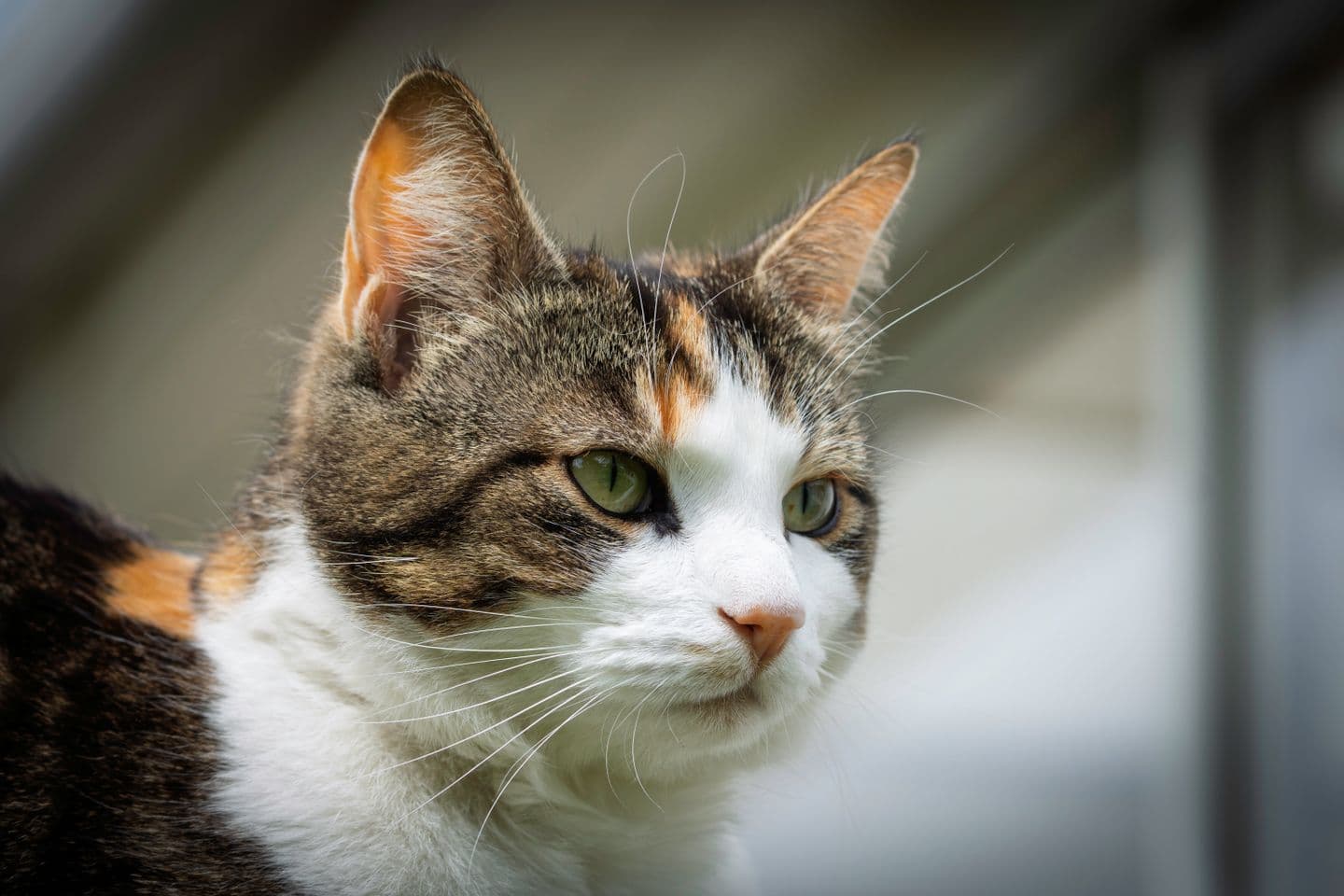
Cat Butt Presentation: Why Your Cat Backs Its Rear End Towards You
It is one of the more baffling things a cat does to a person it likes: turning around mid-cuddle and presenting its rear end directly at your face. Odd as it looks, this is considered polite, friendly
It is one of the more baffling things a cat does to a person it likes: turning around mid-cuddle and presenting its rear end directly at your face. Odd as it looks, this is considered polite, friendly behaviour in feline etiquette.
What it actually means
Cats have scent glands around the base of the tail and on either side of the anus, and sniffing this area is how cats identify and greet one another, similar to a handshake. When a cat presents its rear end to you, it is essentially extending the same greeting it would offer a trusted cat companion, along with an unmistakable sign of comfort and trust in your presence.
Reading the accompanying body language
A tail held high and slightly curved while presenting is a confident, friendly signal. A tail clamped down tightly over the rear end, on the other hand, signals the opposite, a cat unwilling to share that information and best left alone. Context matters here just as much as the gesture itself.
You do not need to reciprocate the sniff
Fortunately, human etiquette does not require matching a cat's greeting exactly. A gentle stroke along the base of the tail, a soft word, or simply allowing the moment to pass without flinching away is a perfectly acceptable response. Pushing the cat away abruptly, on the other hand, can come across as a rejection of a genuine gesture of trust, so a calm non-reaction is usually the better option even if it takes some getting used to.
Almost every calico cat you meet, with that distinctive patchwork of orange, black and white, will be female. This is not folklore, it comes down to genetics, and it is one of the more elegant example
A swollen eye looks alarming, and it should get your attention quickly. The eyelid, the eyeball itself, or the tissue around the eye can all swell for very different reasons, so working out which one
Most cats never need their claws trimmed at all, and clipping can even work against them, since cats rely on their claws for both defence and climbing. As cats age and become less mobile, though, claw