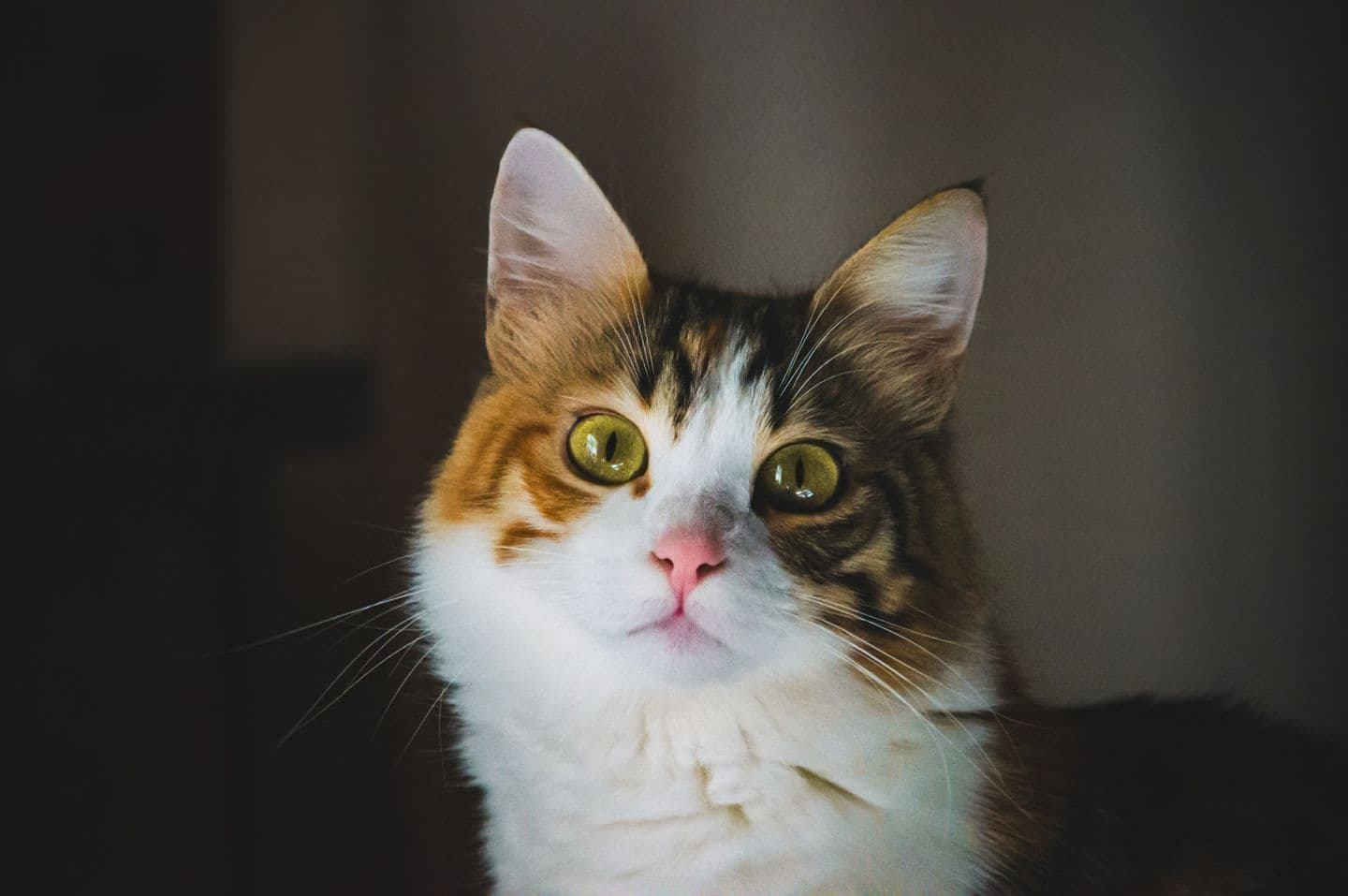
The swat when you pick up another cat, the sudden interest in your laptop the moment you sit down to work. Is this jealousy, or something else?
Most cat owners have seen it: a cat wedging itself between you and a new kitten, or hissing at a partner who gets a lot of attention. Whether this counts as jealousy in the human sense is still genuinely debated among researchers, and the honest answer is that the science has not settled the question either way.
What the research actually shows
Direct studies on feline jealousy are limited compared with the research on dogs, where jealousy-like responses are much better documented. A few small studies using cat plush toys as a stand in rival have found that cats pay closer attention when an owner interacts affectionately with the toy compared with a neutral object, suggesting cats do notice and respond to a perceived rival for attention, even if this falls short of proving the complex emotion of jealousy exists in the way humans experience it.
What is more likely going on
Stress and insecurity from a disruption to routine, such as a new pet or family member changing established patterns
Resource guarding, where the perceived threat is really about protecting access to food, space, or a favourite person rather than emotional envy
Territorial behaviour, since cats are naturally protective of their space and the people and resources within it
Attachment disruption, given how strongly many cats bond with their primary carer
Common signs owners describe as jealousy
Physically pushing between the owner and another pet or person
Hissing, swatting, or growling at a new arrival
Sudden urine marking in an area the new pet or person frequents
Withdrawing or hiding rather than showing outward aggression
What actually helps
Keep a consistent one on one routine with each cat in a multi-pet household, so no single cat feels attention has been fully diverted
Introduce any new pet or major change gradually, giving the existing cat time to adjust rather than facing an abrupt shift
Provide separate resources, food, water, litter boxes, and resting spots, in multi-cat homes to reduce genuine competition
Avoid punishing the reaction itself, since it is a response to a stressor rather than a deliberate act of spite
Whatever the correct scientific label turns out to be, the behaviours themselves are real and worth taking seriously, since they usually point to a genuine, addressable source of stress rather than simple bad manners.
A closer look at one of the studies
One small study used a cat plush toy as a stand in rival, comparing how cats reacted when their owner petted and spoke affectionately to the toy versus a neutral object like a book. Cats paid noticeably more attention to their owner's interaction with the plush toy than with the object, which suggests they registered something different about a rival receiving affection, even though the study stopped short of showing the negative, separation-driven behaviours that mark true jealousy in dogs and human infants.
Almost every calico cat you meet, with that distinctive patchwork of orange, black and white, will be female. This is not folklore, it comes down to genetics, and it is one of the more elegant example
A swollen eye looks alarming, and it should get your attention quickly. The eyelid, the eyeball itself, or the tissue around the eye can all swell for very different reasons, so working out which one
Most cats never need their claws trimmed at all, and clipping can even work against them, since cats rely on their claws for both defence and climbing. As cats age and become less mobile, though, claw