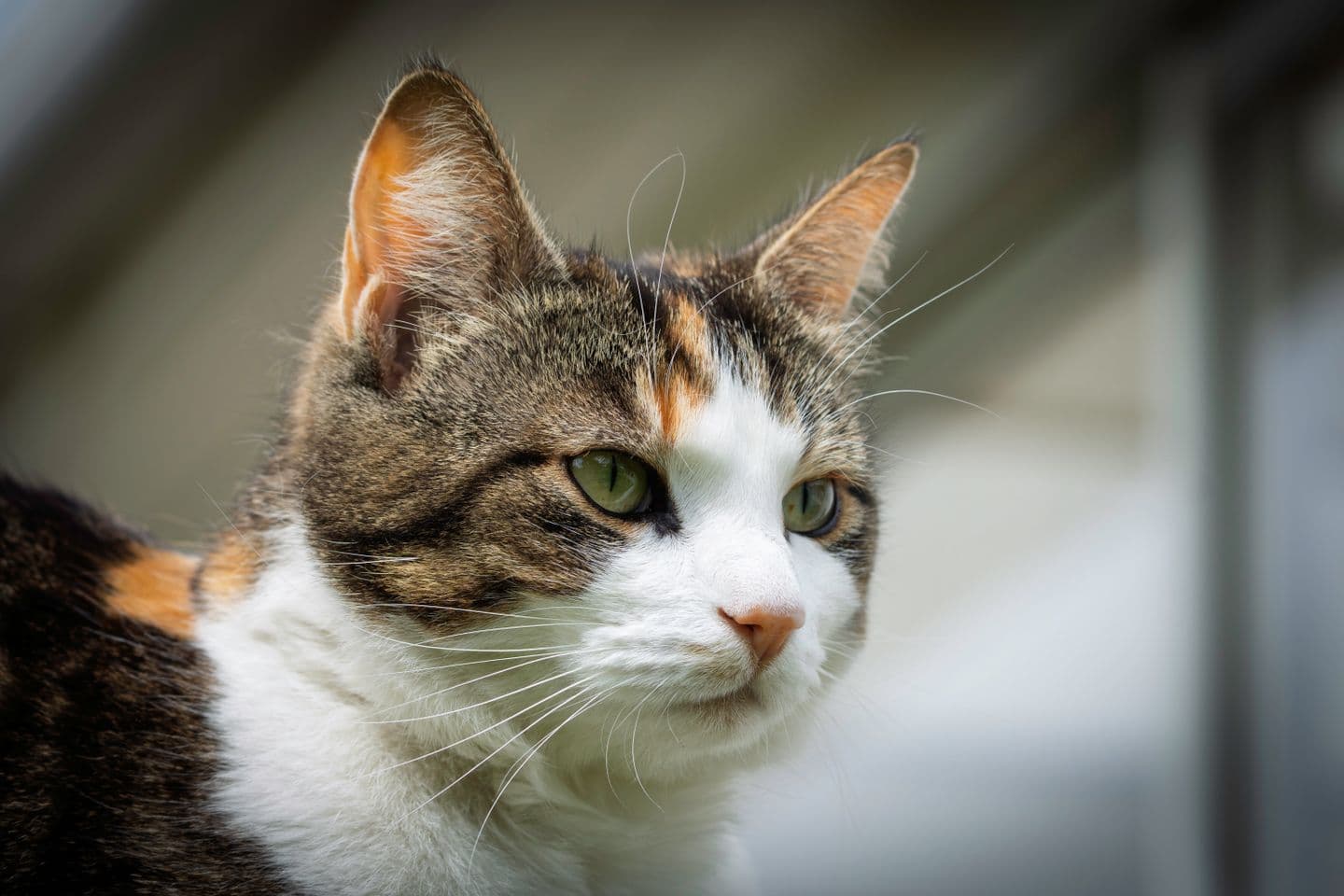
Feral, Stray or Community Cat? Understanding India's Street Cats
India's cities and towns are home to a very large free-roaming cat population, and the terms used to describe these cats are often mixed up. Knowing the difference matters, especially if you are tryin
India's cities and towns are home to a very large free-roaming cat population, and the terms used to describe these cats are often mixed up. Knowing the difference matters, especially if you are trying to help a cat in your neighbourhood or deciding whether a particular cat can realistically be adopted.
Feral cats
A feral cat has had little to no positive contact with humans, usually born outdoors to a feral or stray mother. Feral cats are not socialised, tend to avoid people entirely, and are generally not candidates for indoor adoption unless caught and worked with from a very young age, ideally under eight weeks old.
Stray cats
A stray cat was once someone's pet, or at least had regular human contact, before becoming lost, abandoned or displaced. Strays are usually more approachable, may seek out food or attention from people, and often adapt reasonably well to being taken in again.
Community cats
This is the umbrella term covering both feral and stray cats living outdoors, particularly relevant in Indian residential colonies and housing societies where cats are informally fed and looked after by residents without any single owner. Most cats you see around apartment complexes, markets and streets in India fall into this category.
How to actually help
Support Trap, Neuter and Return (TNR) efforts through local NGOs and animal welfare organisations rather than relocating cats, since relocation disrupts territory and rarely works long term
Feed community cats at a fixed time and place, away from walkways, to avoid disputes within housing societies
If you find kittens younger than eight weeks with a feral mother nearby, monitor from a distance before intervening, as she is very likely still caring for them
Reach out to local animal welfare groups for humane trapping if a colony needs sterilisation, rather than attempting it without experience
Cat sterilisation in India now has firmer legal backing than it once did. The Animal Birth Control Rules, 2023, issued by the Ministry of Fisheries, Animal Husbandry and Dairying, extended the responsibility for sterilising and vaccinating community cats to local municipal bodies, working alongside recognised animal welfare organisations, rather than leaving it entirely to individual volunteers and private NGOs as before. Residents can approach their local municipal corporation or a recognised NGO to request TNR for a colony in their area.
A cat that hisses and hides is not necessarily unhappy or in danger. For many community cats, a safe outdoor territory with a reliable feeder is a perfectly good life, even without ever becoming a lap cat.
Almost every calico cat you meet, with that distinctive patchwork of orange, black and white, will be female. This is not folklore, it comes down to genetics, and it is one of the more elegant example
A swollen eye looks alarming, and it should get your attention quickly. The eyelid, the eyeball itself, or the tissue around the eye can all swell for very different reasons, so working out which one
Most cats never need their claws trimmed at all, and clipping can even work against them, since cats rely on their claws for both defence and climbing. As cats age and become less mobile, though, claw