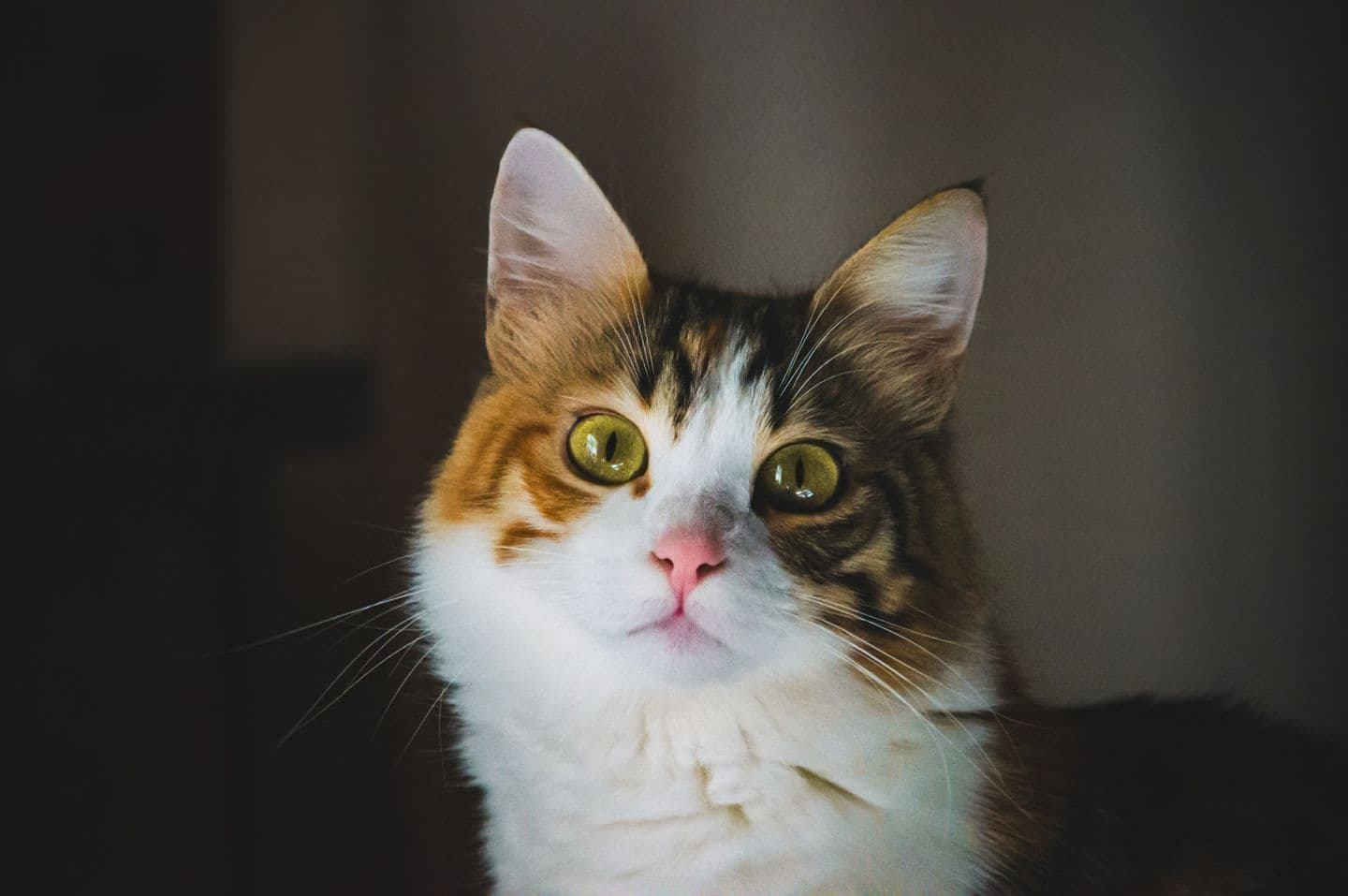
How Do Cats Show Affection? A Guide to Your Cat's Love Language
Cats are often accused of being aloof, but that reputation says more about how differently they express love than about how much they actually feel it. Once you know what to look for, most cats turn o
Cats are often accused of being aloof, but that reputation says more about how differently they express love than about how much they actually feel it. Once you know what to look for, most cats turn out to be far more openly affectionate than they get credit for.
The clearest signals
The slow blink: holding eye contact and closing the eyes slowly is often described as a cat kiss, and research has found cats slow blink more at familiar people than at strangers
Head bumps: a gentle press of the forehead or cheek, reserved almost exclusively for trusted people and other cats in the same social group
Kneading: the paw-pressing motion left over from kittenhood, usually a sign of complete relaxation in your presence
Following you from room to room: less about supervision and more about wanting to stay close
Showing the belly: cats rarely invite a belly rub, but exposing it briefly while relaxed is a genuine sign of trust
Sitting or sleeping pressed against you, rather than simply nearby
Why some cats are more openly affectionate than others
Personality, breed tendencies and early socialisation all play a role. A kitten handled gently and often between two and seven weeks of age, the prime window for social learning, generally grows into a more openly affectionate adult. Cats adopted later in life, including many rescued community cats common in Indian households, may take considerably longer to show these signals, and some settle into quieter forms of affection, such as simply choosing to nap in the same room as you, rather than lap sitting.
Responding in a way your cat understands
Cats read tone, pace and body language far more than words. Slow blinking back, letting a headbutt happen without grabbing at the cat, and offering a hand at nose height rather than reaching over the head all tend to land better than an enthusiastic cuddle, which many cats find overwhelming rather than affectionate. Recognising a cat's particular love language, rather than expecting it to match a dog's, is usually the fastest way to feel the bond that is already there.
Almost every calico cat you meet, with that distinctive patchwork of orange, black and white, will be female. This is not folklore, it comes down to genetics, and it is one of the more elegant example
A swollen eye looks alarming, and it should get your attention quickly. The eyelid, the eyeball itself, or the tissue around the eye can all swell for very different reasons, so working out which one
Most cats never need their claws trimmed at all, and clipping can even work against them, since cats rely on their claws for both defence and climbing. As cats age and become less mobile, though, claw