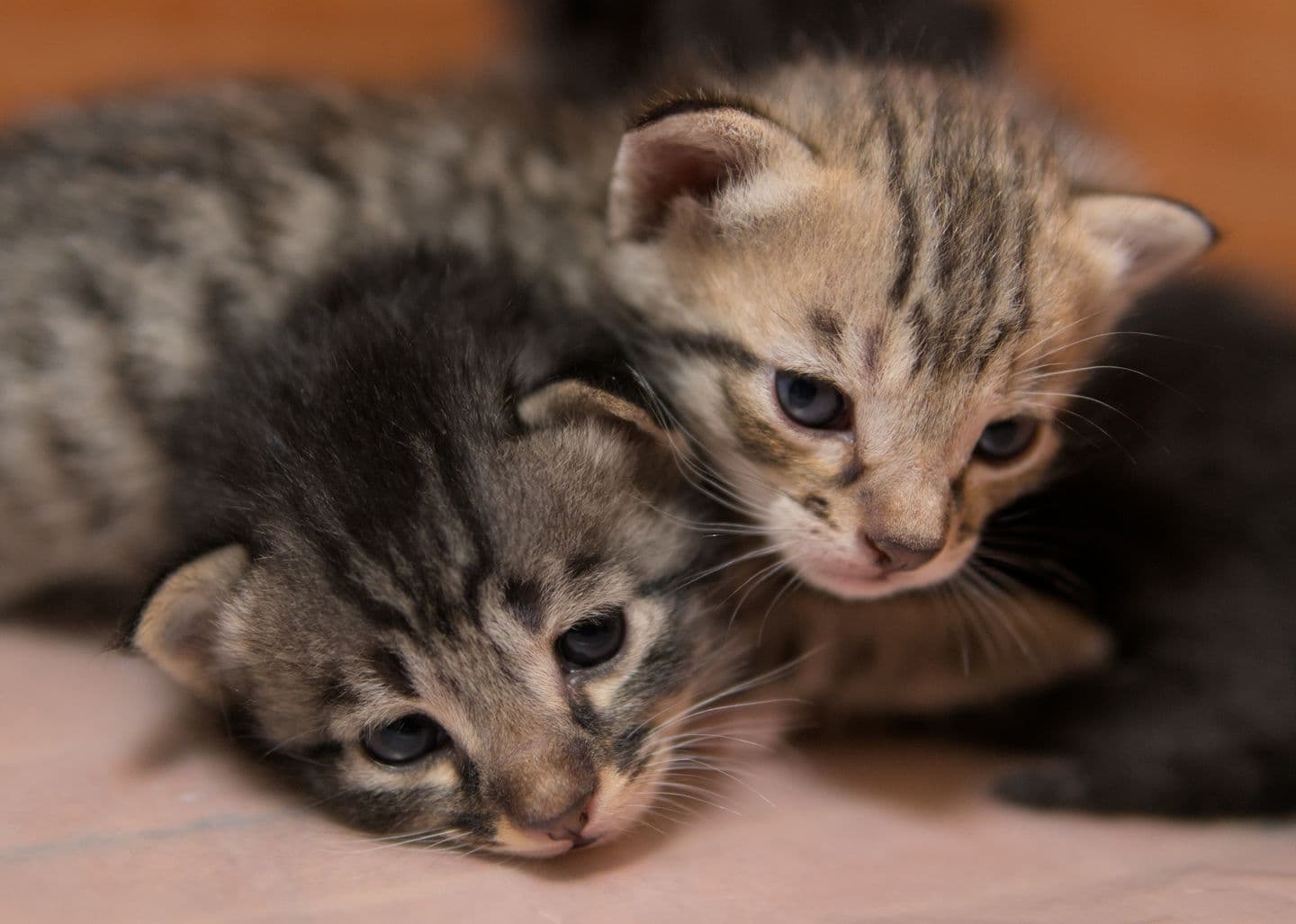
The word discipline conjures images of correction and punishment. For kittens, the far more effective version looks nothing like that.
A kitten climbing curtains, biting ankles, or knocking things off shelves is not misbehaving in the way a child might. It is exploring the world with the only tools it has, curiosity, teeth, and claws, and has no innate understanding of household rules until it is taught them. Effective kitten discipline is really about teaching, not punishing.
Why punishment does not work well on kittens
Shouting, swatting, or spraying a kitten with water tends to teach fear of the person delivering the punishment rather than an understanding of what behaviour was wrong. Kittens do not connect a delayed consequence with an earlier action, so punishment after the fact, even moments after, usually just damages trust without changing the behaviour.
What actually teaches a kitten household rules
Redirect immediately: the moment an unwanted behaviour starts, offer an acceptable alternative, a scratching post instead of the sofa, a toy instead of your hand
Reward the behaviour you want: a treat or praise when the kitten uses the scratching post or plays gently teaches far faster than any correction
Make undesirable spots unappealing on their own: double sided tape on a counter edge or aluminium foil near a plant does the work without you needing to intervene every time
Use a short, sharp sound, a single clap or a firm no, only in the exact moment of an unwanted action, followed immediately by redirecting to something appropriate
Keep sessions and corrections brief, since kittens have short attention spans and long scoldings achieve nothing beyond causing stress
Consistency across the household
A kitten allowed on the dining table by one family member and shooed off by another receives confusing, contradictory signals and takes far longer to learn any rule at all. Agreeing on a shared set of house rules before the kitten settles in, and making sure everyone, including visiting family and domestic help, applies them the same way, makes a genuine difference to how quickly a kitten settles into good habits.
Most kittens grow out of their most disruptive habits within the first year as they mature, provided the household responds with patient redirection rather than punishment throughout.
Why this matters beyond the kitten stage
A large study out of the University of Helsinki, covering more than five thousand cats across dozens of breeds, found that kittens who experienced harsher handling or fewer positive early experiences were more likely to show aggressive or compulsive behaviours later in adulthood. It is a useful reminder that how a kitten's early misbehaviour is handled shapes more than just the immediate moment. It has a real bearing on the kind of adult cat it grows into.
Almost every calico cat you meet, with that distinctive patchwork of orange, black and white, will be female. This is not folklore, it comes down to genetics, and it is one of the more elegant example
A swollen eye looks alarming, and it should get your attention quickly. The eyelid, the eyeball itself, or the tissue around the eye can all swell for very different reasons, so working out which one
Most cats never need their claws trimmed at all, and clipping can even work against them, since cats rely on their claws for both defence and climbing. As cats age and become less mobile, though, claw