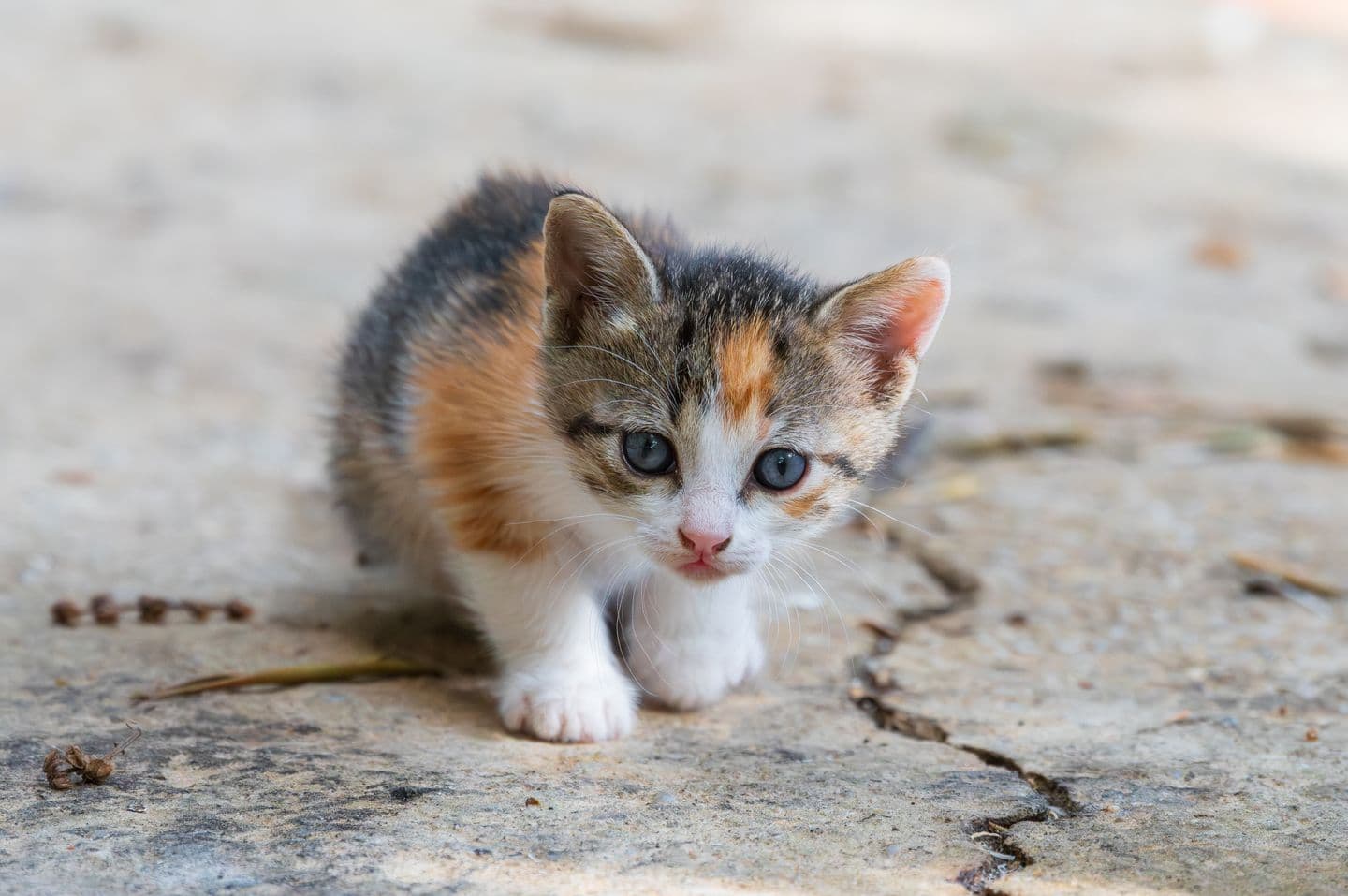
The experiences a kitten has in its first few months shape its personality and comfort level around people, animals and everyday situations for life. Getting this window right matters more than almost
The experiences a kitten has in its first few months shape its personality and comfort level around people, animals and everyday situations for life. Getting this window right matters more than almost anything else you will do as a new kitten owner.
The critical window
Kittens are most receptive to new experiences roughly between two and seven weeks of age, with a gradually closing window extending to around nine weeks. Positive exposure during this stretch has an outsized effect on adult temperament, which is one reason adopting a kitten no younger than eight weeks, once it has had time with its mother and littermates, tends to produce a better-socialised adult than very early separation.
What to expose a kitten to
Gentle handling from multiple different people, including different voices, sizes and appearances
A variety of everyday household sounds at a low volume initially, such as a vacuum, a doorbell or kitchen noise
Brief, calm introductions to other vaccinated, friendly pets in the household
Different surfaces and textures to walk on, from tile to carpet to grass on a balcony if safely accessible
Short, positive car rides and brief time in an open carrier with treats inside, well before any actual need for a vet visit
Gentle handling of paws, ears and mouth, to make future nail trims and vet exams far less stressful
Pace matters more than volume
Flooding a kitten with too much at once, especially loud noises or forceful handling, can backfire and create the exact fearfulness socialisation is meant to prevent. Short, calm, positive sessions, ended before the kitten shows signs of stress, build confidence far more reliably than long, overwhelming exposure.
Socialising an older or under-socialised kitten
Kittens past the ideal window, including many rescued from Indian streets without early human contact, can still make real progress with patient, consistent positive exposure, just at a slower pace and often with a longer timeline. Full transformation into a fully confident adult is not guaranteed in every case, but meaningful improvement almost always is.
Almost every calico cat you meet, with that distinctive patchwork of orange, black and white, will be female. This is not folklore, it comes down to genetics, and it is one of the more elegant example
A swollen eye looks alarming, and it should get your attention quickly. The eyelid, the eyeball itself, or the tissue around the eye can all swell for very different reasons, so working out which one
Most cats never need their claws trimmed at all, and clipping can even work against them, since cats rely on their claws for both defence and climbing. As cats age and become less mobile, though, claw