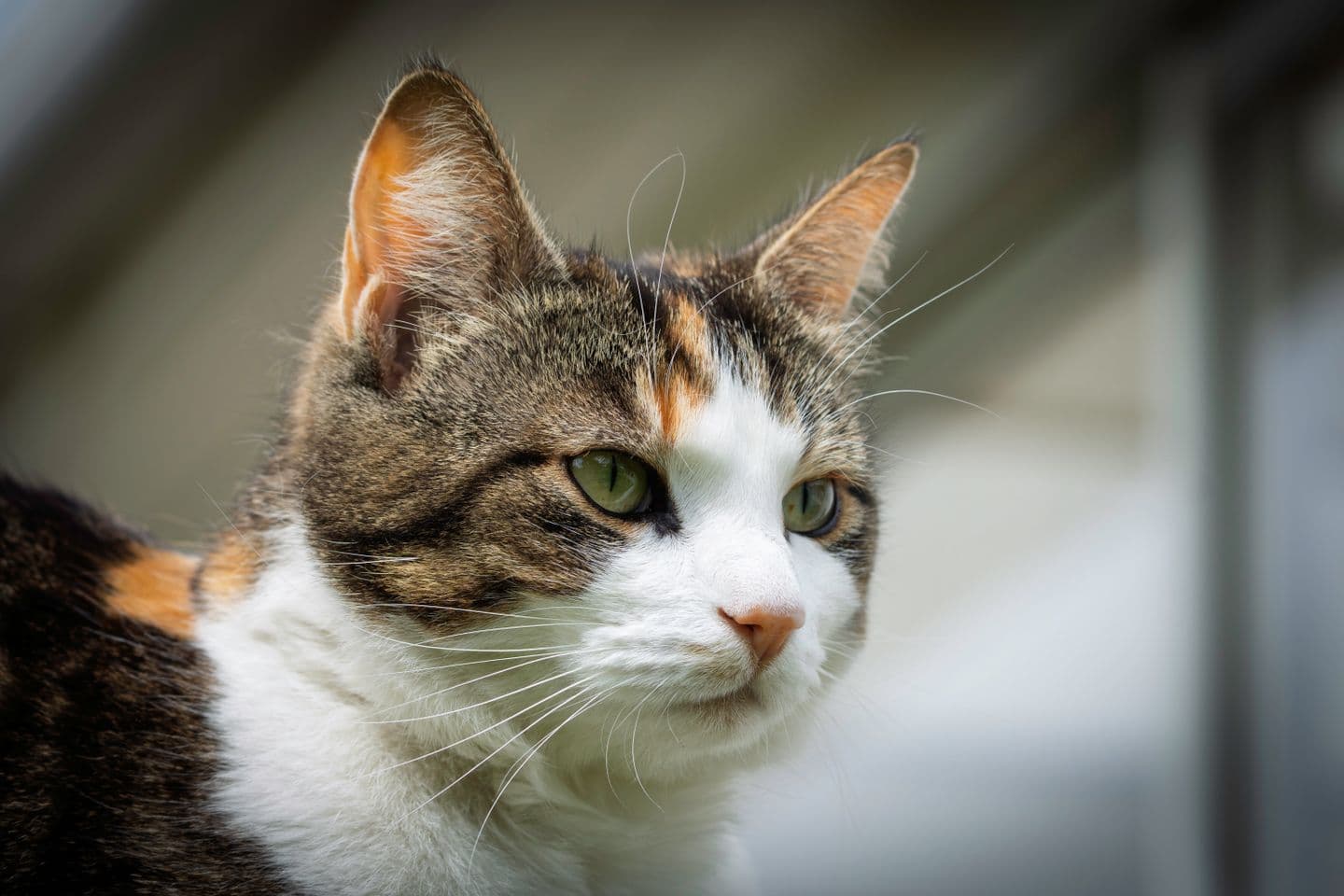
A cat that seeks out and suckles on wool, blankets, or soft fabric is displaying one of the more distinctive and well studied compulsive behaviours in feline medicine.
A cat that seeks out and suckles on wool, blankets, or soft fabric is displaying one of the more distinctive and well studied compulsive behaviours in feline medicine.
Wool sucking describes a cat repeatedly sucking, chewing, or kneading a fabric item, most often wool but also including other soft materials, in a way that closely resembles nursing behaviour. It is one of the better researched compulsive behaviours in cats, with a real, well documented genetic component in specific breeds.
What the research shows
A widely cited case-control study of Siamese and Birman cats found that early weaning and a small litter size were linked to a higher risk of wool sucking specifically in Birmans, while in Siamese cats, the presence of an existing medical condition was the stronger associated factor. Both breeds showed an unusually intense appetite compared with cats that did not display the behaviour, and Oriental breeds generally are considered genetically predisposed, though the behaviour can appear in any cat.
Why it happens
A genetic predisposition, particularly strong in Siamese, Birman, and related Oriental breeds
Early weaning or separation from the mother, which appears to play a meaningful role at least in some breeds
Stress or an underlying compulsive tendency, with the behaviour sometimes emerging or worsening during a stressful period
A possible connection to appetite regulation, given how consistently affected cats show a notably strong drive to eat generally
Why it is more than a quirky habit
Beyond the damage to clothing and blankets, actually swallowing fabric carries a genuine risk of intestinal blockage, a medical emergency that can require surgery. This is the main reason wool sucking is worth addressing rather than simply tolerating as an odd personality trait.
Managing the behaviour
Remove access to wool and other appealing soft fabrics where possible, particularly when the cat cannot be supervised
Offer an acceptable alternative to chew or knead, such as a specifically designed cat chew toy
Increase daily play and enrichment, since boredom and excess energy can worsen the behaviour even where a genetic component exists
Feed smaller, more frequent meals or use a slow feeder, given the link to a stronger than average appetite drive in affected cats
Book a vet visit for a persistent or worsening case, since a formal behavioural assessment and, in some cases, medication can help where environmental changes alone are not enough
For a genetically predisposed cat, wool sucking may never disappear completely, but with consistent management most owners are able to reduce both the frequency and the risk it carries considerably.
When it tends to start
Research tracking the onset of wool sucking has found it typically begins early, often by around eighteen months of age or younger, which supports the idea that genetics and early life experience play a bigger role than anything happening later in an adult cat's life. A cat that has shown no interest in fabric sucking well into adulthood developing it suddenly is a slightly different situation, and worth a vet visit to check for a new source of stress or an underlying medical trigger rather than assuming it is simply late-onset genetics.
Almost every calico cat you meet, with that distinctive patchwork of orange, black and white, will be female. This is not folklore, it comes down to genetics, and it is one of the more elegant example
A swollen eye looks alarming, and it should get your attention quickly. The eyelid, the eyeball itself, or the tissue around the eye can all swell for very different reasons, so working out which one
Most cats never need their claws trimmed at all, and clipping can even work against them, since cats rely on their claws for both defence and climbing. As cats age and become less mobile, though, claw