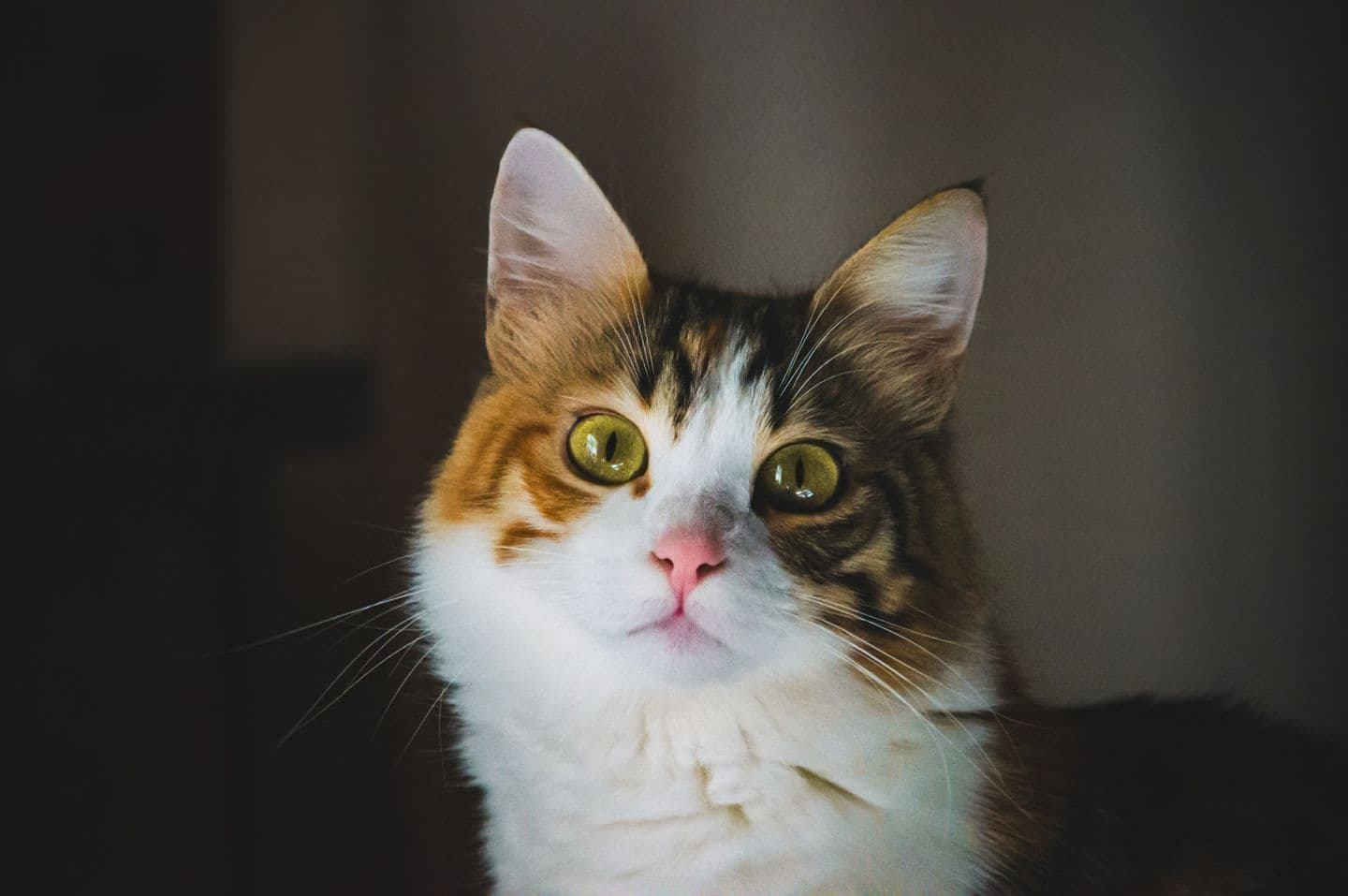
Scratching is not a habit to eliminate. It is a need to redirect, and the difference matters for how you approach it.
Scratching serves several real purposes for a cat: it stretches the muscles of the back and shoulders, sheds the outer layer of the claw sheath, and leaves both a visible mark and a scent from glands in the paw as a form of territorial communication. A cat cannot simply stop wanting to scratch, but it can be guided towards scratching somewhere more appropriate than the carpet.
Why the carpet specifically
Carpet offers good resistance and grip for a satisfying scratch, similar to the texture of tree bark that scratching evolved around
A cat may be scratching near a doorway, window, or the base of stairs as territorial marking at a high traffic transition point in the home
If there is no dedicated scratching post nearby, the carpet is often simply the most available surface
Setting up a better option
Provide at least one sturdy scratching post or pad per cat, tall enough for a full body stretch and stable enough not to wobble during use
Offer a mix of textures, such as sisal rope, corrugated cardboard, and carpet covered posts, since different cats have different preferences
Place the scratching post near the area the cat already prefers, such as beside a favourite carpet patch, rather than tucked away in an unused corner
Use catnip or a feline pheromone spray on the new post to encourage first use
Reward your cat with praise or a small treat when it uses the post, especially in the first few weeks
Protecting the carpet while the new habit takes hold
Trim your cat's claws every two to three weeks to reduce the damage from any scratching that does happen
Use double sided tape or a plastic carpet runner, upside down, temporarily over the problem spot, since most cats avoid the sticky or unusual texture
Avoid punishment such as shouting or spraying water, since this tends to make a cat scratch when it is not being watched rather than stop the behaviour altogether
Nail caps are another option some owners in India have started using, and they can blunt the impact of scratching without preventing the behaviour itself, though they need regular replacement and are not a substitute for giving the cat a proper scratching outlet.
Vertical or horizontal, and why it matters
Not every cat wants to scratch upright. Some strongly prefer a flat scratching pad on the floor over a vertical post, particularly cats that have been scratching carpet, since a flat pad more closely matches the angle and surface they are already used to. If a vertical post goes ignored, trying a horizontal cardboard scratcher instead, placed directly over or right beside the problem carpet spot, is worth testing before assuming the cat simply dislikes scratching posts altogether.
Almost every calico cat you meet, with that distinctive patchwork of orange, black and white, will be female. This is not folklore, it comes down to genetics, and it is one of the more elegant example
A swollen eye looks alarming, and it should get your attention quickly. The eyelid, the eyeball itself, or the tissue around the eye can all swell for very different reasons, so working out which one
Most cats never need their claws trimmed at all, and clipping can even work against them, since cats rely on their claws for both defence and climbing. As cats age and become less mobile, though, claw