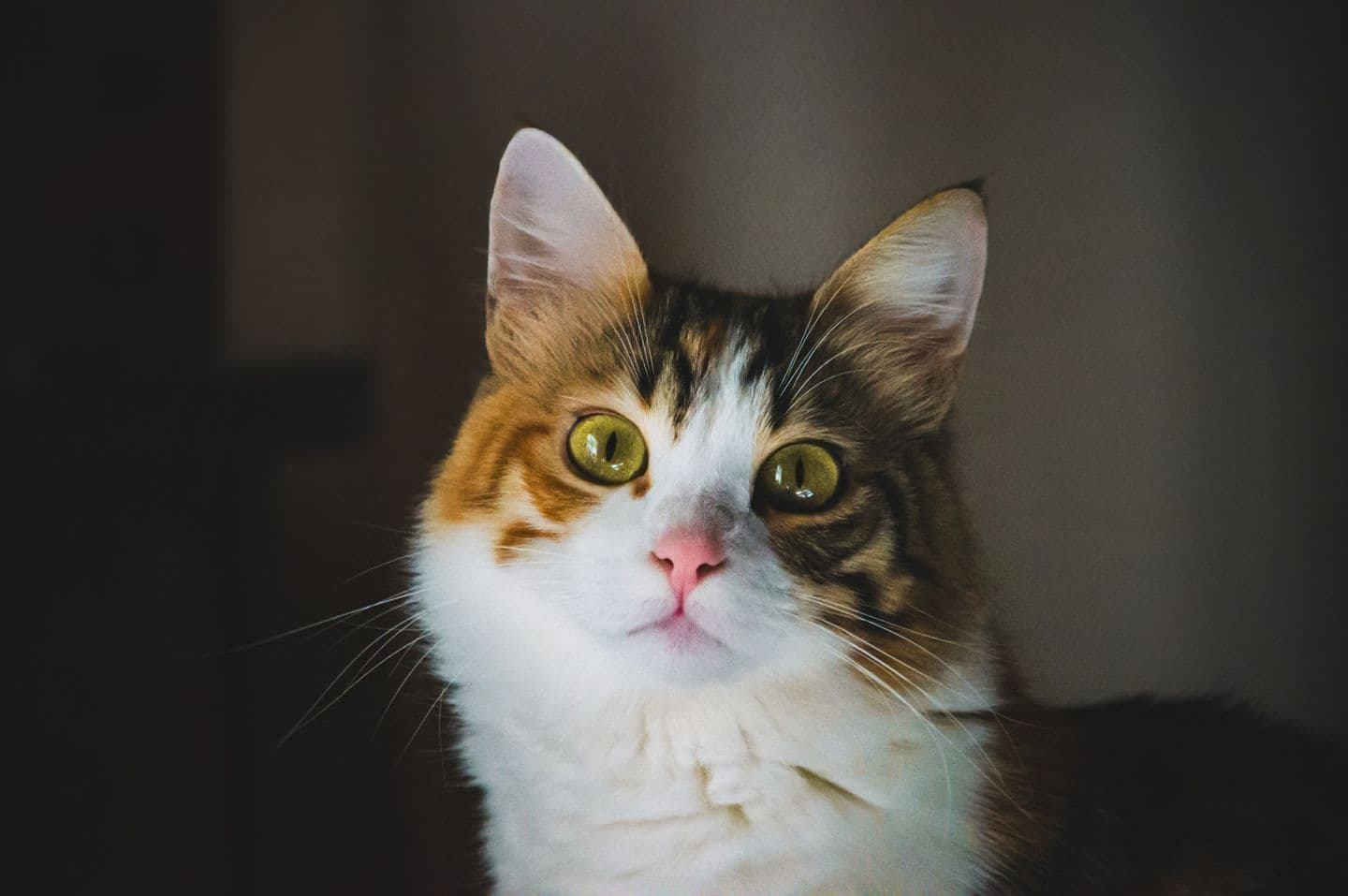
The Curious Case of Cat Kneading: Why Your Cat 'Makes Biscuits'
That rhythmic pressing of paws against a blanket, cushion or your lap, often accompanied by a deep purr and a slightly glazed expression, is one of the most instantly recognisable cat behaviours. It l
That rhythmic pressing of paws against a blanket, cushion or your lap, often accompanied by a deep purr and a slightly glazed expression, is one of the most instantly recognisable cat behaviours. It looks a little like kneading dough, which is exactly how it earned its nickname.
Where it comes from
Kneading starts in kittenhood. Newborn kittens knead against their mother while nursing to stimulate milk flow, a reflex tied closely to comfort and feeding. Most cats never fully outgrow the motion, and it tends to resurface in adulthood during moments of deep relaxation or contentment, often right before settling down to sleep.
Other likely reasons
Scent marking: paw pads carry scent glands, so kneading leaves a subtle scent that marks a spot or person as familiar
Stretching and preparing a sleeping spot: in the wild, this motion may have helped flatten grass or bedding
Self-soothing: many cats knead more during stressful transitions, such as moving house or a new pet arriving
When it hurts a little
Kneading with claws out is common and, while endearing, can be uncomfortable through thin clothing or bare skin. Keeping nails trimmed short, offering a folded blanket or towel as a buffer on your lap, and gently redirecting paws onto a cushion instead of skin all help without discouraging the behaviour itself. There is no need to stop a cat from kneading altogether. It is one of the clearest, most reliable signs that a cat feels safe and at ease in your home.
Almost every calico cat you meet, with that distinctive patchwork of orange, black and white, will be female. This is not folklore, it comes down to genetics, and it is one of the more elegant example
A swollen eye looks alarming, and it should get your attention quickly. The eyelid, the eyeball itself, or the tissue around the eye can all swell for very different reasons, so working out which one
Most cats never need their claws trimmed at all, and clipping can even work against them, since cats rely on their claws for both defence and climbing. As cats age and become less mobile, though, claw