The Loaf Position: Why Cats Tuck Their Paws Underneath Them
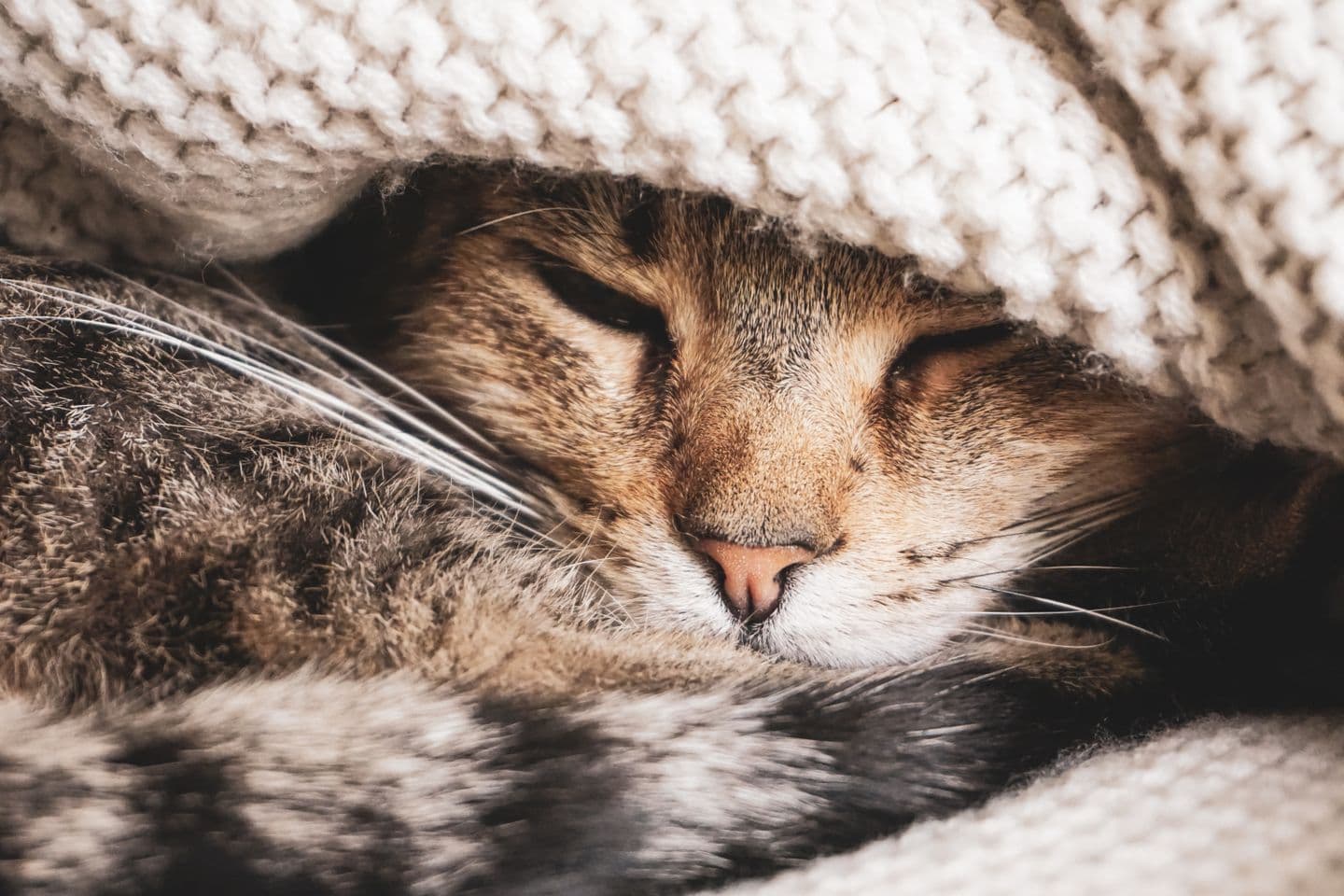
Few resting postures are as universally recognised as the cat loaf, paws neatly folded underneath a rounded body, often accompanied by half-closed eyes and an air of complete indifference to the rest
Few resting postures are as universally recognised as the cat loaf, paws neatly folded underneath a rounded body, often accompanied by half-closed eyes and an air of complete indifference to the rest of the world.
Why cats sit this way
Tucking the paws underneath conserves body heat, since less surface area is exposed to the surrounding air. It is a common posture during cooler months or in air-conditioned rooms, and less common during Indian summers, when cats are more likely to stretch out fully on cool tiled floors to lose heat instead.
The loaf position also strikes a comfortable balance between rest and readiness. Unlike lying fully on one side, a loafing cat can spring up quickly if something interesting happens, which is part of why it is such a common resting posture rather than a deep-sleep one.
Is it ever a concern?
Occasional loafing is entirely normal. It becomes worth watching if a cat loafs constantly, avoids putting weight on a paw, seems reluctant to move, or holds the position with a hunched back and tense body rather than a relaxed, rounded one. These can be subtle signs of joint pain or discomfort, particularly in older cats, and are worth mentioning at the next vet visit rather than assumed to be purely a cosy habit.
How it differs from crouching in fear
A relaxed loaf has soft, half-closed eyes, a loose body and slow blinking. A fearful crouch looks tighter and lower to the ground, often with flattened ears, dilated pupils and a stiff, tense body. The paw position may look similar at a glance, but the rest of the body tells the real story.
Almost every calico cat you meet, with that distinctive patchwork of orange, black and white, will be female. This is not folklore, it comes down to genetics, and it is one of the more elegant example
A swollen eye looks alarming, and it should get your attention quickly. The eyelid, the eyeball itself, or the tissue around the eye can all swell for very different reasons, so working out which one
Most cats never need their claws trimmed at all, and clipping can even work against them, since cats rely on their claws for both defence and climbing. As cats age and become less mobile, though, claw