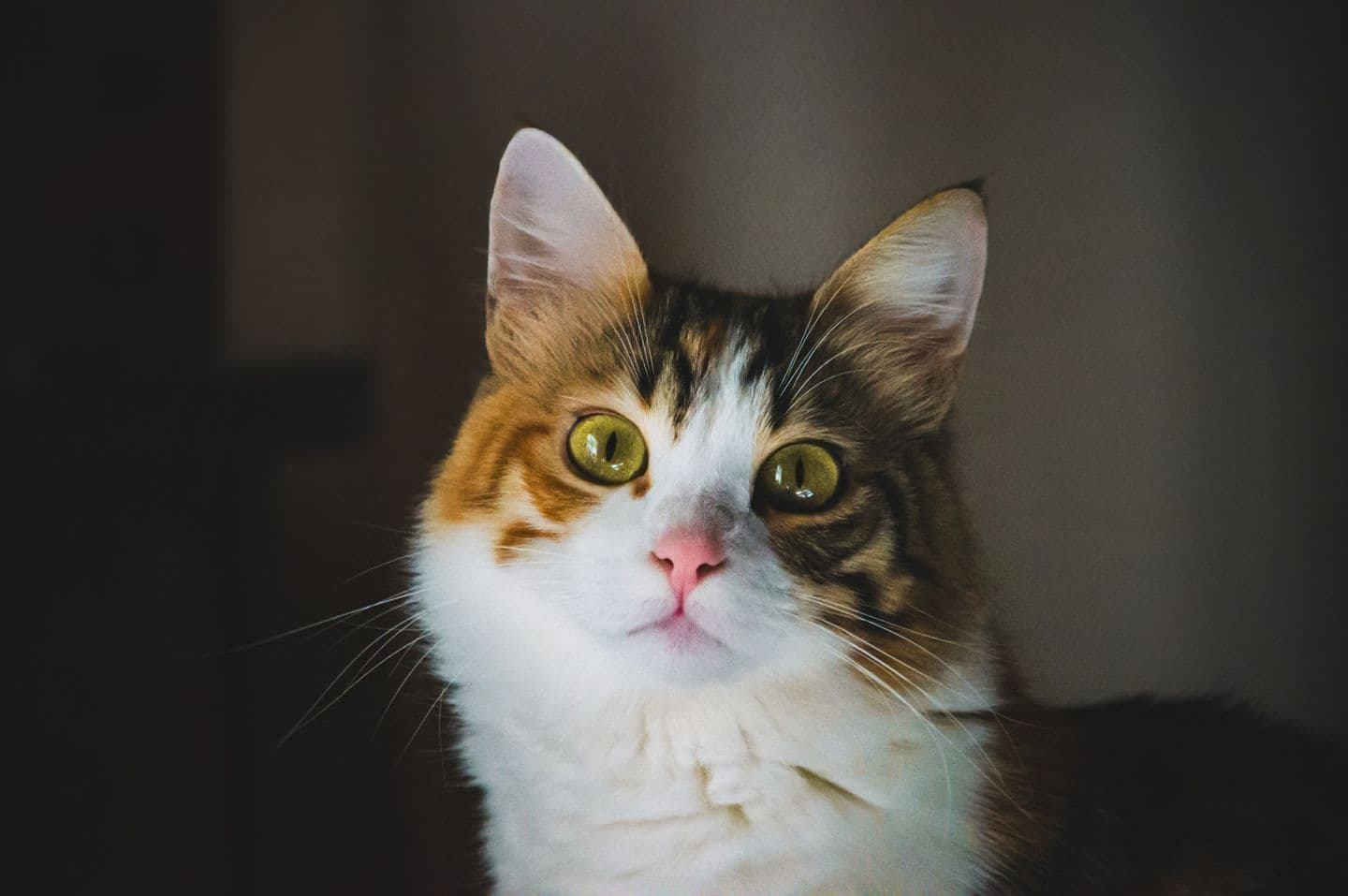
A cat's tongue on your skin is rough enough to notice immediately, and depending on the moment, it can mean several different things.
Affection and bonding
The most common reason is simple affection. Grooming another cat, known as allogrooming, is reserved for close social bonds, and many cats extend the same behaviour to a trusted person, treating you the same way they would a companion in their group.
Scent and taste
Cats are drawn to the salt on human skin, particularly after exercise or on a warm day, and a cat may lick an arm or hand simply because it tastes interesting. Some cats also lick to pick up and investigate a new scent, such as lotion, food residue or another animal's smell on your hands.
Attention seeking
A cat that has learned licking gets a reaction, whether a laugh, a pulled-away hand or a treat, may repeat it purely to prompt that response again, especially around mealtimes.
Stress or overstimulation
Occasionally, licking that becomes repetitive or intense, especially paired with a tense body or flattened ears, signals overstimulation rather than affection, and is a good moment to let the interaction end rather than push through it.
Should you let it happen?
Occasional licking is harmless for most people, though it is worth washing the area afterwards, since a cat's mouth carries bacteria that can occasionally cause minor skin irritation or infection in an open cut. Redirecting a persistent licker to a lick mat or a soft toy is a simple way to preserve the affection without the rough tongue on bare skin.
Almost every calico cat you meet, with that distinctive patchwork of orange, black and white, will be female. This is not folklore, it comes down to genetics, and it is one of the more elegant example
A swollen eye looks alarming, and it should get your attention quickly. The eyelid, the eyeball itself, or the tissue around the eye can all swell for very different reasons, so working out which one
Most cats never need their claws trimmed at all, and clipping can even work against them, since cats rely on their claws for both defence and climbing. As cats age and become less mobile, though, claw