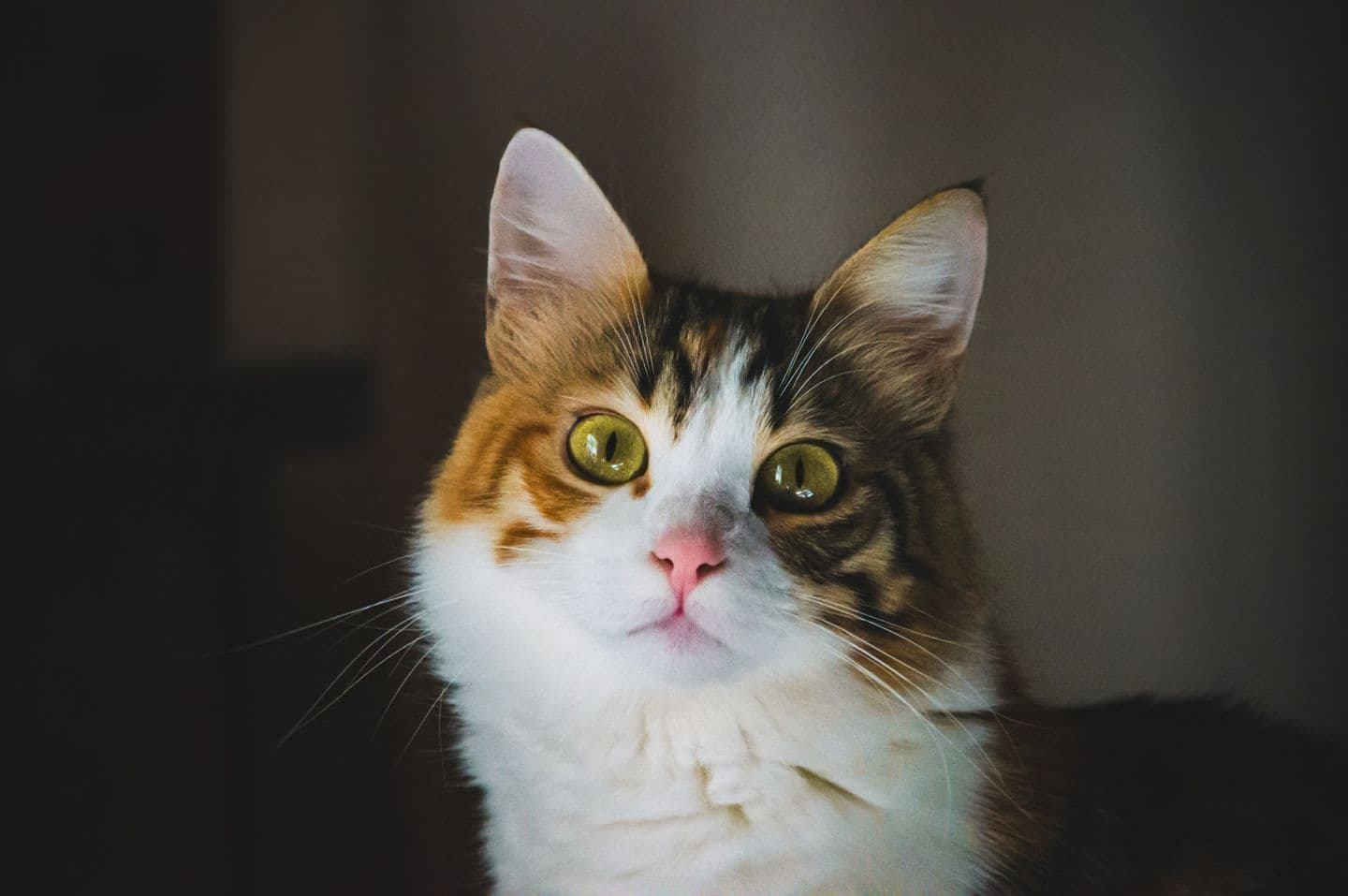
Cat dander is often confused with loose fur, but it is actually something much smaller: tiny flecks of dead skin that shed continuously from every cat, the same way human skin sheds cells constantly.
Cat dander is often confused with loose fur, but it is actually something much smaller: tiny flecks of dead skin that shed continuously from every cat, the same way human skin sheds cells constantly. It is one of the main reasons cats, even short-haired ones, can trigger allergic reactions in sensitive people.
Dander versus fur versus dust
Dander is microscopic skin flakes, distinct from shed fur, which is visible strands of hair, and distinct from general household dust, though all three tend to mix together in carpets and upholstery. Dander is light enough to stay airborne for extended periods and settles on surfaces throughout a home, which is why allergy symptoms can appear even in rooms a cat rarely enters.
Why dander causes allergic reactions
Dander itself is not usually the direct trigger; it is often coated in saliva proteins, chiefly one called Fel d 1, deposited during a cat's normal self-grooming. When dander carrying this protein becomes airborne and is inhaled, a sensitive person's immune system reacts, producing the familiar sneezing, itchy eyes, and congestion associated with cat allergies.
Reducing dander in an Indian home
Brush your cat regularly, ideally somewhere well ventilated or outdoors on a balcony, to remove loose fur and reduce how much dander disperses through the house.
Vacuum with a HEPA-filter vacuum and wash soft furnishings, curtains, and cat bedding regularly, since dander settles into fabric readily.
Keep at least one room, often the bedroom, consistently cat-free to give a sensitive household member reliable relief.
Wipe your cat down periodically with a damp cloth or a vet-approved grooming wipe, which measurably reduces loose dander between full baths.
Run an air purifier with a HEPA filter in main living areas if allergy symptoms are a persistent issue in the household.
A normal part of having a cat
Dander production is not a sign of poor health or bad grooming, every cat produces it continuously regardless of coat length or cleanliness. For most households it causes no issue at all; it only becomes a practical concern when someone in the home has a genuine sensitivity, in which case the steps above make coexisting considerably more comfortable.
Almost every calico cat you meet, with that distinctive patchwork of orange, black and white, will be female. This is not folklore, it comes down to genetics, and it is one of the more elegant example
A swollen eye looks alarming, and it should get your attention quickly. The eyelid, the eyeball itself, or the tissue around the eye can all swell for very different reasons, so working out which one
Most cats never need their claws trimmed at all, and clipping can even work against them, since cats rely on their claws for both defence and climbing. As cats age and become less mobile, though, claw