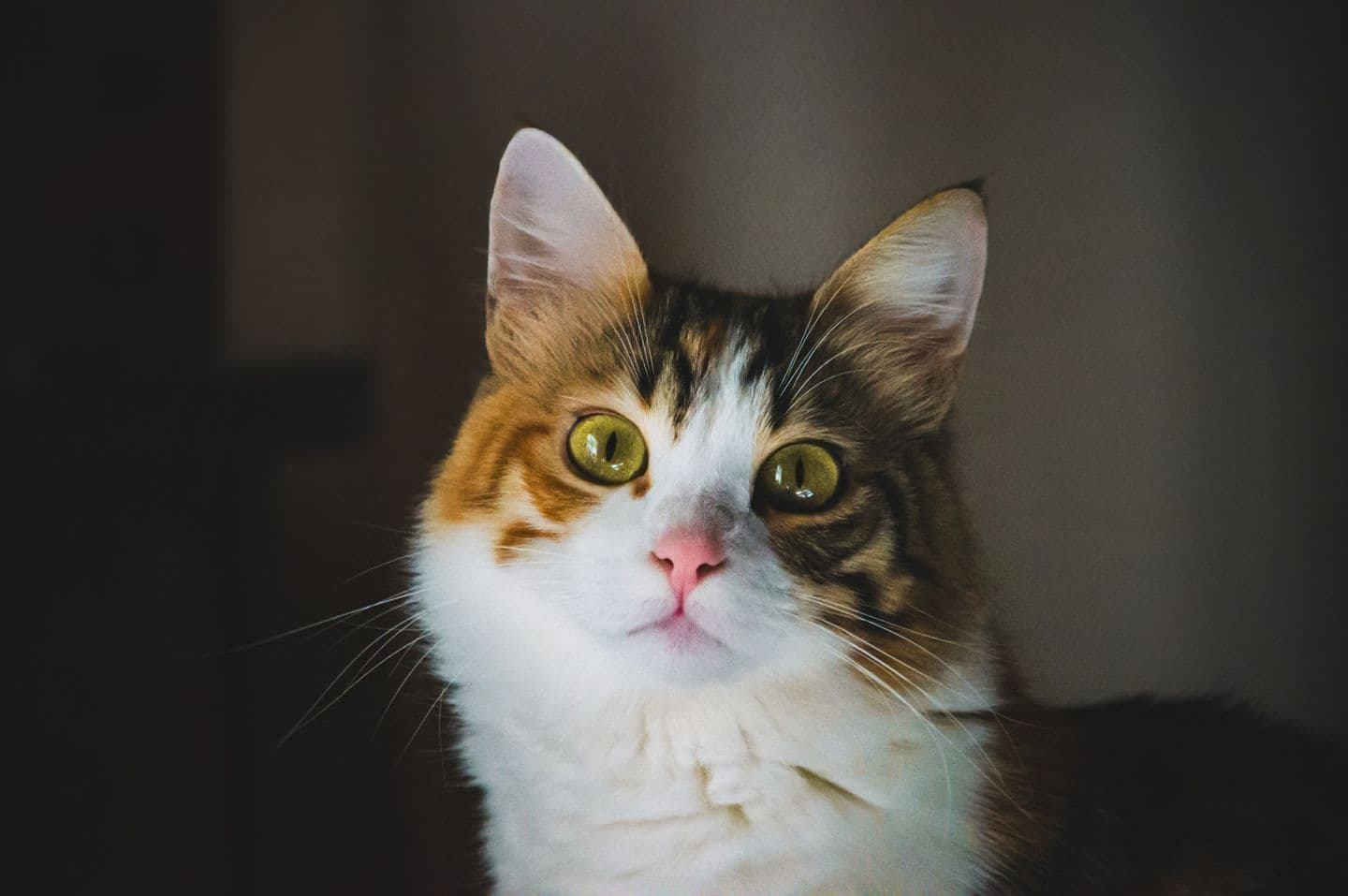
That odd, slightly comical open-mouthed grimace your cat sometimes makes while sniffing something has a genuine biological purpose behind it.
Occasionally, a cat encountering an interesting smell will pause, part its lips slightly, and hold an odd, almost sneering expression for a few seconds. This is called the Flehmen response, and it is not a sign of disgust or discomfort, despite how it looks. It is actually a cat using a specialised sense organ most people do not realise it has.
What is actually happening
Cats have an additional scent organ, called the vomeronasal or Jacobson's organ, located in the roof of the mouth, connected to the nasal cavity through two small ducts just behind the front teeth. The Flehmen posture, that slightly open mouth with the upper lip curled back, helps draw air and scent particles directly to this organ, allowing the cat to analyse certain chemical signals, particularly pheromones, in far greater detail than through normal sniffing with the nose alone.
When you are likely to see it
After sniffing the urine or scent marking of another cat, since this carries detailed information about that cat's identity, sex, and reproductive status
Investigating unfamiliar scents on a person's clothing or shoes, particularly after contact with other animals
Around a female cat in heat, especially common in intact males
Occasionally after encountering a strong, unusual smell of any kind, even ones without an obvious pheromone connection
Is it something to be concerned about
No. The Flehmen response is completely normal and appears across many mammal species, including horses, dogs, and big cats, not just domestic cats. It typically lasts only a few seconds and requires no intervention. It is simply a cat gathering more detailed scent information than its nose alone can provide, using an organ that, in an evolutionary sense, is a genuinely remarkable piece of biological equipment most owners never even know their cat has.
Far from being a sign of distaste, seeing your cat make this expression is a small window into just how much of its world is built around scent in ways that go well beyond what humans can perceive at all.
Easy to mistake for something else
Because the Flehmen expression involves an open mouth and slightly curled lip, it is sometimes mistaken by owners for a threat display or a sign of illness. The two look quite different on closer inspection: a genuine threat display comes with flattened ears, a tense body, and often a hiss or growl, while the Flehmen response is calm, brief, and usually directed at a specific spot the cat has just sniffed, with the rest of the body relaxed throughout.
Almost every calico cat you meet, with that distinctive patchwork of orange, black and white, will be female. This is not folklore, it comes down to genetics, and it is one of the more elegant example
A swollen eye looks alarming, and it should get your attention quickly. The eyelid, the eyeball itself, or the tissue around the eye can all swell for very different reasons, so working out which one
Most cats never need their claws trimmed at all, and clipping can even work against them, since cats rely on their claws for both defence and climbing. As cats age and become less mobile, though, claw