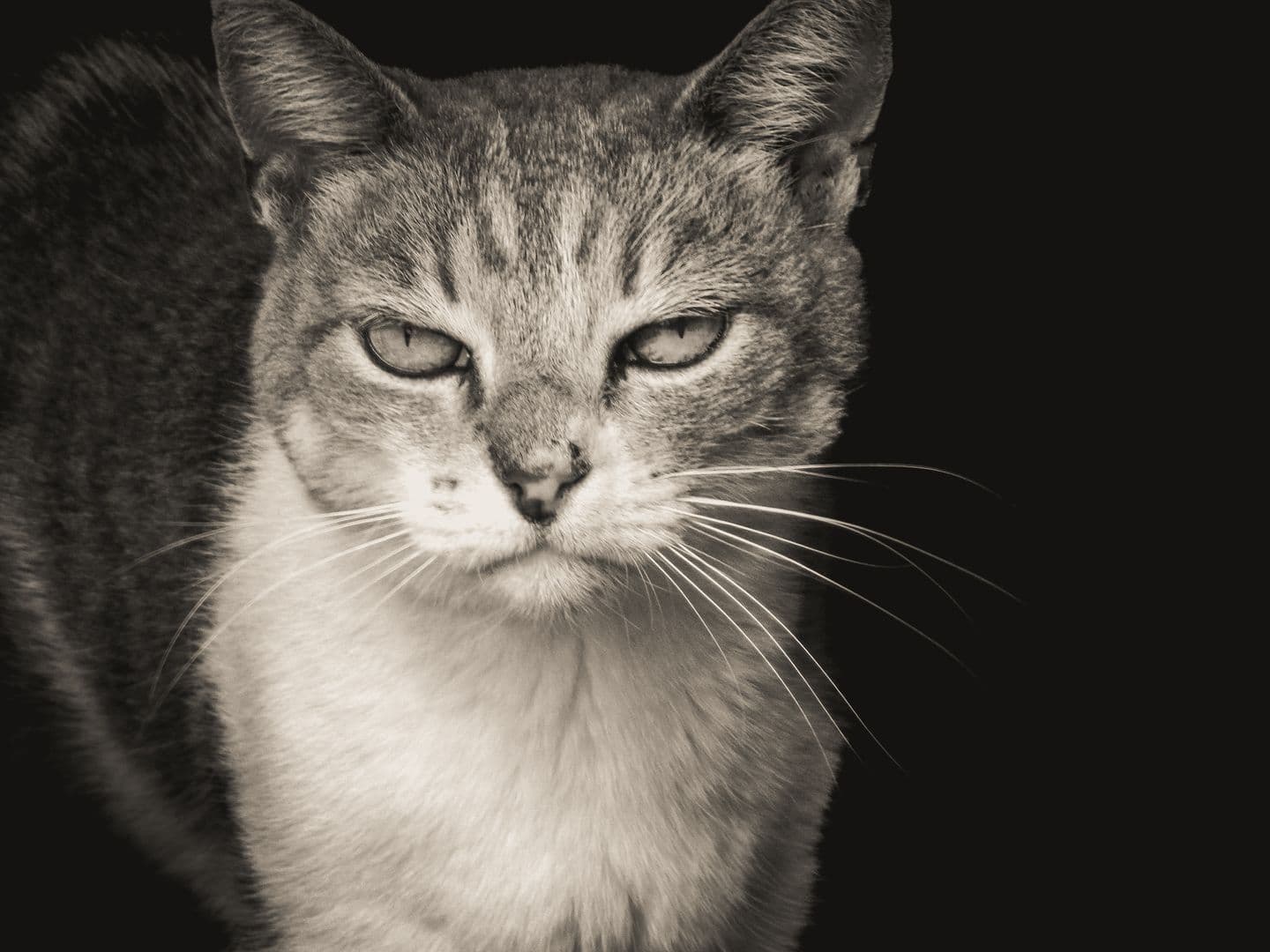
The coating that covers your cat's eyes, known as the tear film, plays a major role in keeping them healthy. It clears away debris, keeps the eyes moist, delivers nutrients, and fights off bacteria. S
The coating that covers your cat's eyes, known as the tear film, plays a major role in keeping them healthy. It clears away debris, keeps the eyes moist, delivers nutrients, and fights off bacteria. Sometimes, that watery discharge is simply a sign the eyes are working hard to fend off a threat to their health.
In most cases the cause is minor and clears up on its own, but certain signs are worth a trip to the vet.
Are the tissues around the eyes red and inflamed?
If you see redness and inflammation in one or both eyes, alongside a watery discharge, there is a good chance your cat has conjunctivitis, commonly known as pinkeye. It is the most common eye problem in cats, brought on by infection, allergy, or even dust, and is contagious enough that most cats will experience it at least once in their lives, most often as young animals, though it can strike at any age.
Feline herpes virus is another cause of pinkeye. Vaccination can protect against it, though a cat may have picked up the virus as a kitten regardless; once infected, a cat carries the virus for life, though the vaccine can reduce the severity of symptoms. Reducing stress can help prevent flare-ups, and if a herpes-related outbreak does occur, a vet will typically prescribe antibiotics alongside an antiviral medication.
Pinkeye often resolves without any treatment at all, but if the discharge is accompanied by obvious discomfort, a vet visit is worthwhile to rule out anything more serious.
Is the discharge sticky or yellow?
This usually points to an infection, and lab tests can help your vet identify the specific cause. Clear mucus generally indicates a viral cause, and your vet may simply advise waiting a week or two to see if it clears on its own. Green or yellow mucus is more likely to indicate a bacterial infection, usually treated with antibiotic eye drops or ointment.
Could it be an allergy?
Cats can be allergic to many of the same things people are, including pollen, mould, mildew, dust, medicine, flea-control products, perfumes and cleaning products. A vet can help determine whether an allergy is behind the symptoms and recommend the best way to manage it.
Is your cat's breed prone to tearing?
Breeds with short faces and rounded skulls tend to produce more tears and are more prone to eye problems generally. Tears running down onto the face can stain the fur and irritate or inflame the surrounding skin. A number of products exist to treat these stains, though some contain ingredients that are not FDA-approved, so it is worth checking with your vet before using one.
Is the eye cloudy, or is your cat rubbing its head and squinting?
These can be signs of an eye ulcer, and warrant an urgent trip to the vet, since an untreated ulcer can lead to loss of sight. Causes include a blow to the head, a scratch to the eye, infection, or chemical exposure.
Do the tears simply not go away?
If watery eyes persist without clearing up, it is worth a thorough vet check, since this can sometimes signal a more serious underlying illness. As with most conditions, an earlier diagnosis generally leads to a faster recovery.
Almost every calico cat you meet, with that distinctive patchwork of orange, black and white, will be female. This is not folklore, it comes down to genetics, and it is one of the more elegant example
A swollen eye looks alarming, and it should get your attention quickly. The eyelid, the eyeball itself, or the tissue around the eye can all swell for very different reasons, so working out which one
Most cats never need their claws trimmed at all, and clipping can even work against them, since cats rely on their claws for both defence and climbing. As cats age and become less mobile, though, claw