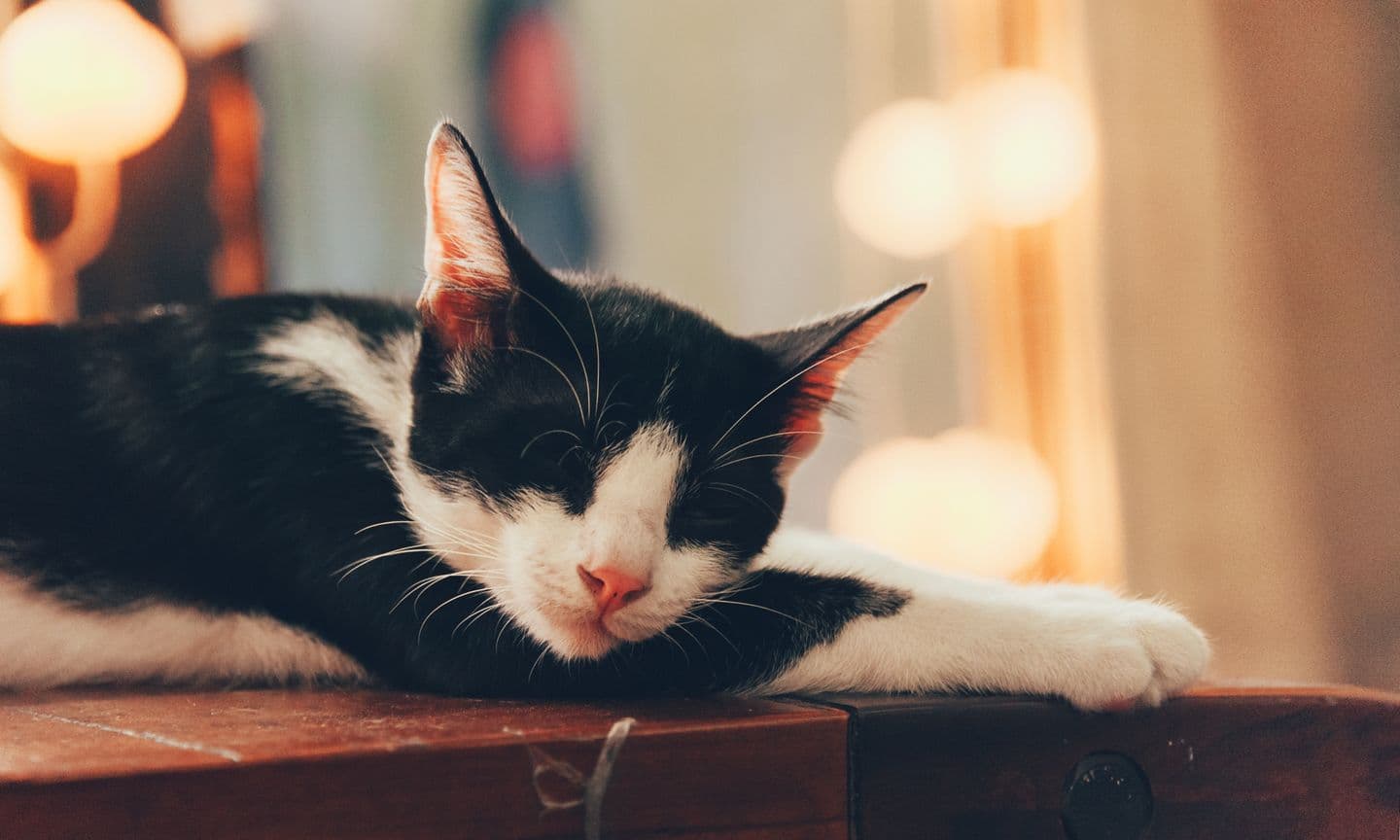
Many cat owners notice their cat abandoning its own bed altogether in favour of sleeping with them instead, often spending as much time as possible curled up alongside its favourite person.
Many cat owners notice their cat abandoning its own bed altogether in favour of sleeping with them instead, often spending as much time as possible curled up alongside its favourite person.
The Trust Factor
Cats are especially vulnerable while asleep, and choosing to sleep beside a particular person is a genuine sign of trust. Sleeping with an owner is effectively confirmation that the cat feels safe and secure with them.
Warmth
Alongside trust, cats are drawn to the warmth of their owner, treating them almost like a living hot water bottle, and enjoy the added warmth of a duvet or blanket too.
Affection
A cat that spends time sleeping close to its owner is also expressing genuine affection and a desire for company, which challenges the common idea that cats are entirely independent and do not mind being left alone.
Why the Head?
Cats often gravitate toward sleeping on an owner's head, and there are a few likely reasons behind it. The head loses a good deal of heat, making it an appealing warm spot. It also tends to move the least during the night compared with arms and legs, which shift about more and risk disturbing a sleeping cat. Together, warmth and stillness make it a relaxing, secure place to settle.
Should You Sleep With Your Cat?
This comes down to personal choice, and there are pros and cons worth weighing for both cat and owner.
Pros
Warmth and cosiness from sharing body heat.
Stress relief, since spending time close to a pet after a difficult day is genuinely relaxing.
A stronger bond, since cats can be just as loyal as dogs, despite their reputation for independence.
Cons
Dirty paws, since cats spend time outside or using a litter tray, and can transfer dirt onto bedding as a result.
Disrupted sleep, since cats are often more active at night after napping through much of the day.
Allergies, since prolonged close contact with pet hair can trigger or worsen allergic reactions, even in people who never had one before.
Almost every calico cat you meet, with that distinctive patchwork of orange, black and white, will be female. This is not folklore, it comes down to genetics, and it is one of the more elegant example
A swollen eye looks alarming, and it should get your attention quickly. The eyelid, the eyeball itself, or the tissue around the eye can all swell for very different reasons, so working out which one
Most cats never need their claws trimmed at all, and clipping can even work against them, since cats rely on their claws for both defence and climbing. As cats age and become less mobile, though, claw