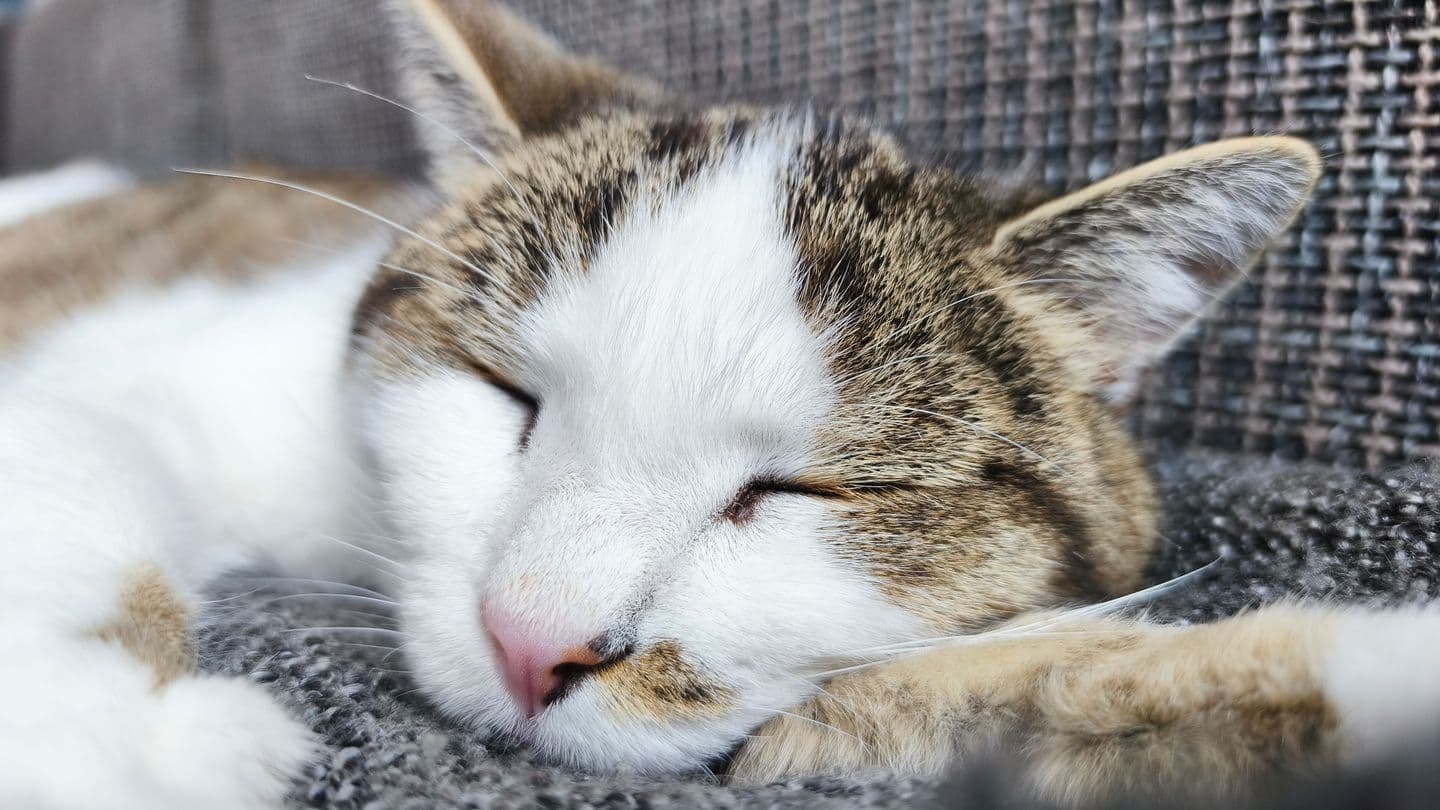
Waking up to two eyes fixed on your face in the dark is unsettling the first few times. It is also almost always harmless.
Cats are crepuscular, meaning they are naturally most active at dawn and dusk rather than deep in the night or the middle of the day. This built in rhythm often puts a burst of feline energy right around the time you are trying to sleep, and for many owners, that energy shows up as a cat perched nearby, staring intently.
What is actually going on
Hunting instinct switching on: dawn and dusk are prime hunting hours in the wild, and a sleeping housemate can simply be the most interesting moving or breathing thing nearby
Hunger: many cats have learned that a certain amount of staring, followed by a paw tap or a meow, reliably produces breakfast
Checking in: some behaviourists see this as a protective, bonding gesture, similar to how cats in a colony will keep a loose watch over sleeping companions
Boredom: a cat who has not had enough physical or mental activity during the day often has energy left over exactly when the house goes quiet
How to shift the pattern
Fit in an active play session with a wand toy in the early evening, ideally followed by a meal, since a played out, fed cat is far more likely to settle into a long sleep
Feed the last meal of the day closer to bedtime rather than early evening, so your cat's natural post meal drowsiness lines up with yours
Use a timed automatic feeder for an early morning portion, which removes the incentive to wake you for food at dawn
Keep a consistent bedtime routine, since cats settle into predictable schedules quickly once one is established
If the staring and pawing continues, close the bedroom door and be consistent about not responding, since any reaction, even a scolding, can reinforce the behaviour for a cat seeking attention
A staring cat at 3am is rarely a cause for concern. Give the behaviour a week or two of a consistent evening routine before deciding it needs more intervention, and most cats settle into sleeping through the night, or at least sleeping quietly nearby.
A quick word on how much cats actually sleep
Cats typically sleep for twelve to sixteen hours a day, considerably more than most people, but that sleep tends to come in a series of naps spread across the day and night rather than one long stretch. This means a cat waking for a burst of activity at an odd hour is not skipping sleep, it is simply following a natural pattern of shorter rest periods punctuated by activity, which is worth keeping in mind before assuming something is wrong.
Almost every calico cat you meet, with that distinctive patchwork of orange, black and white, will be female. This is not folklore, it comes down to genetics, and it is one of the more elegant example
A swollen eye looks alarming, and it should get your attention quickly. The eyelid, the eyeball itself, or the tissue around the eye can all swell for very different reasons, so working out which one
Most cats never need their claws trimmed at all, and clipping can even work against them, since cats rely on their claws for both defence and climbing. As cats age and become less mobile, though, claw