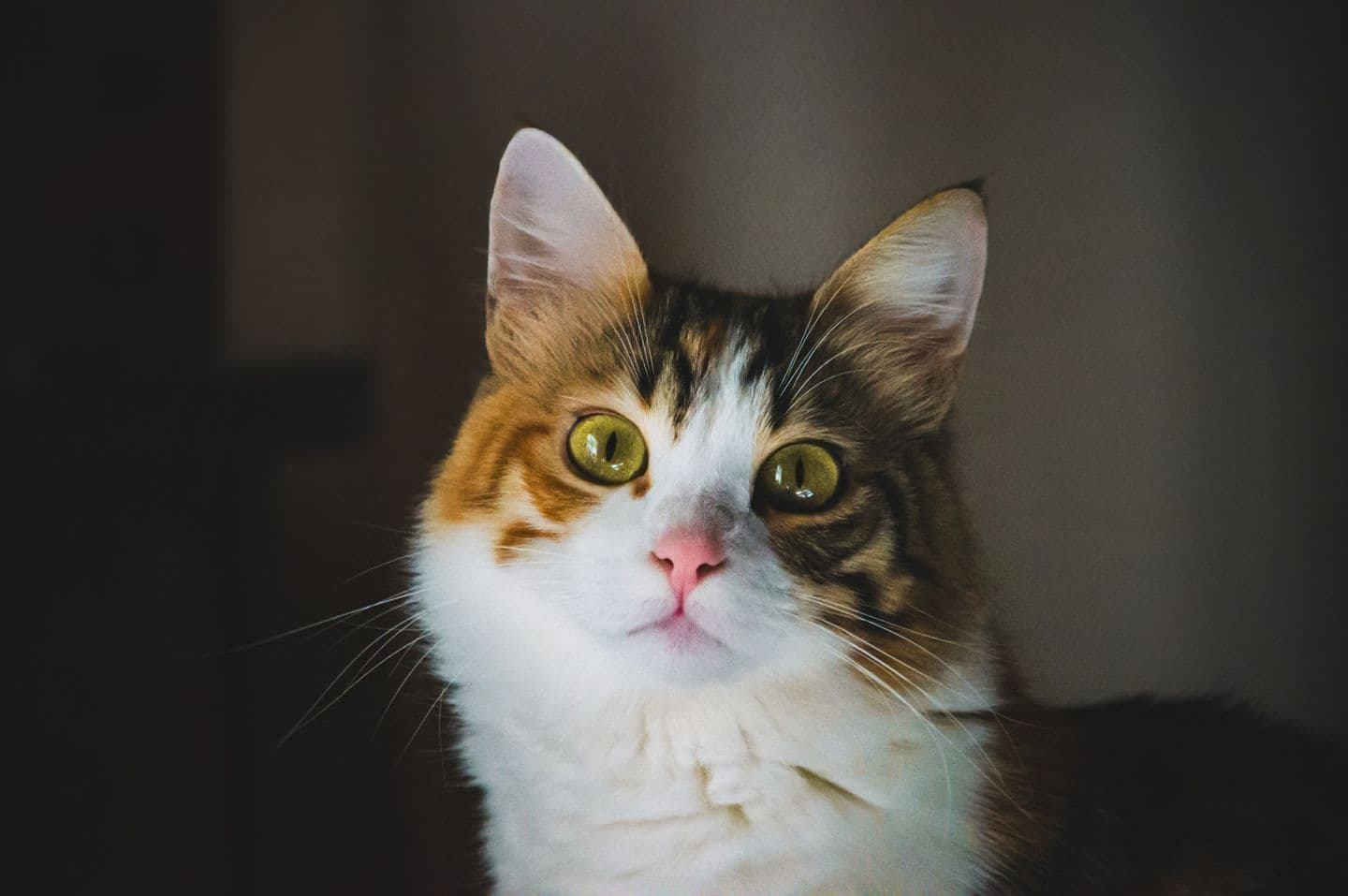
That brief pause after a meal, paw raised and being carefully licked clean, is such a familiar cat habit that it barely registers as unusual, though there is a genuine reason behind it.
That brief pause after a meal, paw raised and being carefully licked clean, is such a familiar cat habit that it barely registers as unusual, though there is a genuine reason behind it.
Cleaning up
Wet food, gravy and even dry kibble crumbs often end up on a cat's paws and around the mouth during eating, and paw licking is a direct extension of general grooming, used here to clean the face using a paw as a makeshift washcloth. A cat will typically lick a paw, then wipe it over the face and whiskers, repeating a few times until satisfied.
Resetting the whiskers
A cat's whiskers are highly sensitive and can pick up on food residue or a dirty bowl edge. Some behaviourists believe post-meal paw licking also helps a cat clear anything caught in or around the whiskers, restoring full sensory function after eating.
A moment of contentment
Grooming in general triggers a mild release of endorphins, and a full stomach paired with a familiar grooming ritual often signals a relaxed, satisfied state, similar to the calm that follows any comfortable, predictable routine.
When it is worth paying attention
Occasional paw licking after meals is entirely normal. Excessive or prolonged licking focused specifically around the mouth, paired with pawing at the face, drooling or reluctance to finish food, can point to dental pain or a mouth irritation and is worth a vet check rather than dismissing as a quirky habit.
Almost every calico cat you meet, with that distinctive patchwork of orange, black and white, will be female. This is not folklore, it comes down to genetics, and it is one of the more elegant example
A swollen eye looks alarming, and it should get your attention quickly. The eyelid, the eyeball itself, or the tissue around the eye can all swell for very different reasons, so working out which one
Most cats never need their claws trimmed at all, and clipping can even work against them, since cats rely on their claws for both defence and climbing. As cats age and become less mobile, though, claw