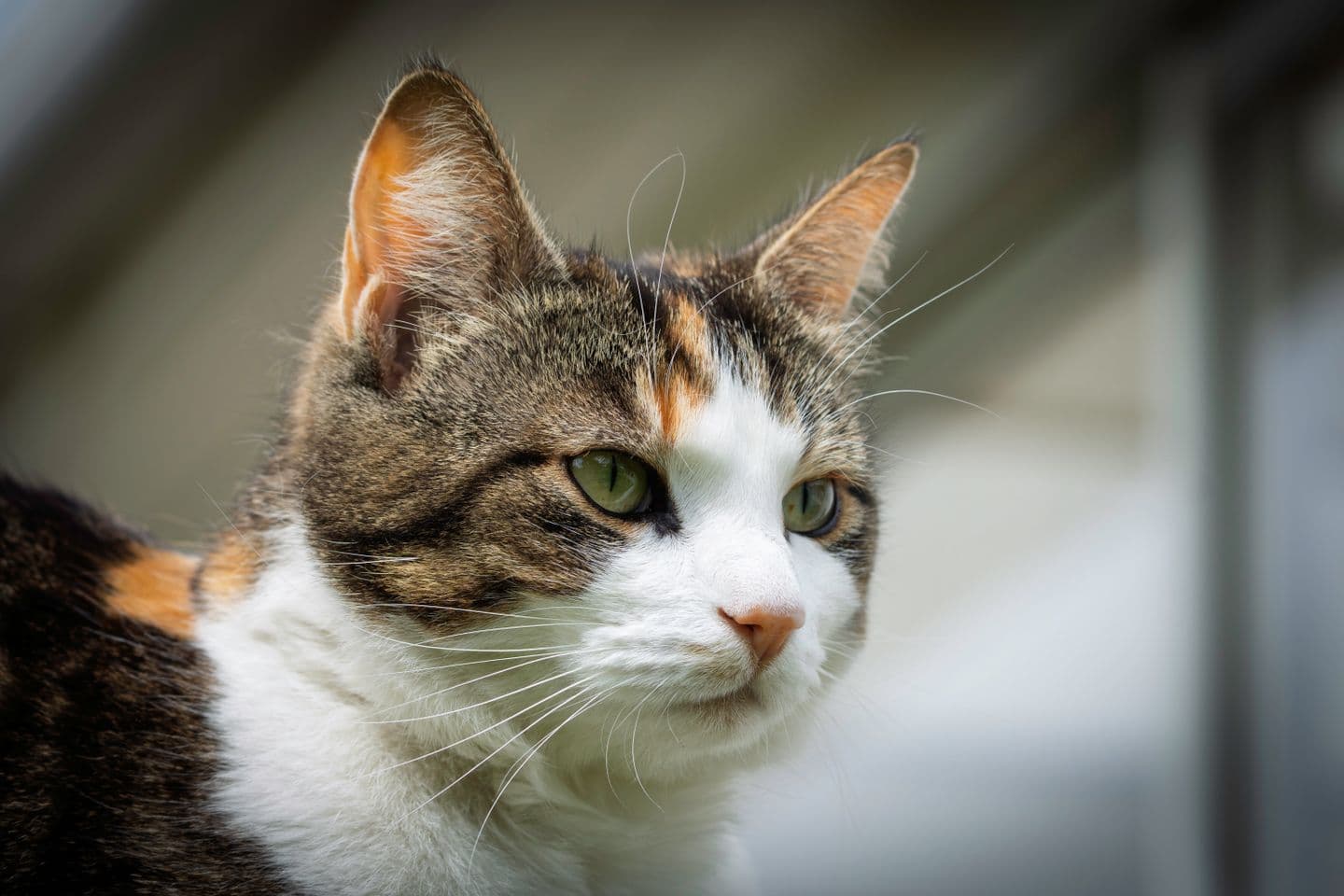
That familiar figure-of-eight weave around your ankles is one of the most reliably affectionate things a cat does, and it carries real meaning.
Leg rubbing, technically a form of bunting, is one of the clearer, more consistently positive pieces of cat body language. Unlike some feline behaviours that require careful context reading, this one is fairly reliably a good sign.
What is actually happening
Scent marking: cats have scent glands on their cheeks, chin, and the sides of their body, and rubbing against your legs deposits a scent that marks you as part of their territory and social group
Greeting behaviour: many cats rub against a person's legs specifically when reuniting after time apart, similar to how they greet other trusted cats in a household or colony
Attention or a request: leg rubbing often precedes a request for food, play, or simply being picked up, especially if it becomes more insistent or is paired with vocalising
Comfort seeking: the physical contact itself, along with the familiar scent already present from previous rubbing, appears to be genuinely soothing for many cats
Why this specific behaviour matters
Because scent marking through rubbing is a voluntary, low-stakes way for a cat to build a shared scent with the people and animals it trusts, frequent leg rubbing is generally a solid indicator of a secure, comfortable relationship. Cats do not typically rub against people, or objects, they find genuinely threatening or unfamiliar.
Responding to it well
A brief pause to acknowledge the cat, even just eye contact or a soft word, reinforces the interaction without needing to stop everything you are doing
If it consistently signals a request, such as feeding time, responding predictably helps the cat feel understood rather than ignored
Avoid stepping over or ignoring a cat mid-rub where possible, since consistent gentle acknowledgement over time tends to strengthen the bond further
Of all the behaviours a cat displays, leg rubbing is one of the more straightforwardly reassuring ones. It is a cat actively choosing closeness, and for most owners, that alone makes it one of the more rewarding daily rituals of living with a cat.
Bunting and rubbing between cats too
This is not a behaviour reserved only for people. Cats that get along well will regularly headbutt and rub against each other, sometimes called allorubbing, as a way of refreshing a shared group scent and reinforcing their bond, much the same way they do with a trusted person. Watching for this between household cats is a genuinely useful, low effort way to gauge how comfortable they actually are with one another, separate from anything you observe about how they behave around you.
Almost every calico cat you meet, with that distinctive patchwork of orange, black and white, will be female. This is not folklore, it comes down to genetics, and it is one of the more elegant example
A swollen eye looks alarming, and it should get your attention quickly. The eyelid, the eyeball itself, or the tissue around the eye can all swell for very different reasons, so working out which one
Most cats never need their claws trimmed at all, and clipping can even work against them, since cats rely on their claws for both defence and climbing. As cats age and become less mobile, though, claw