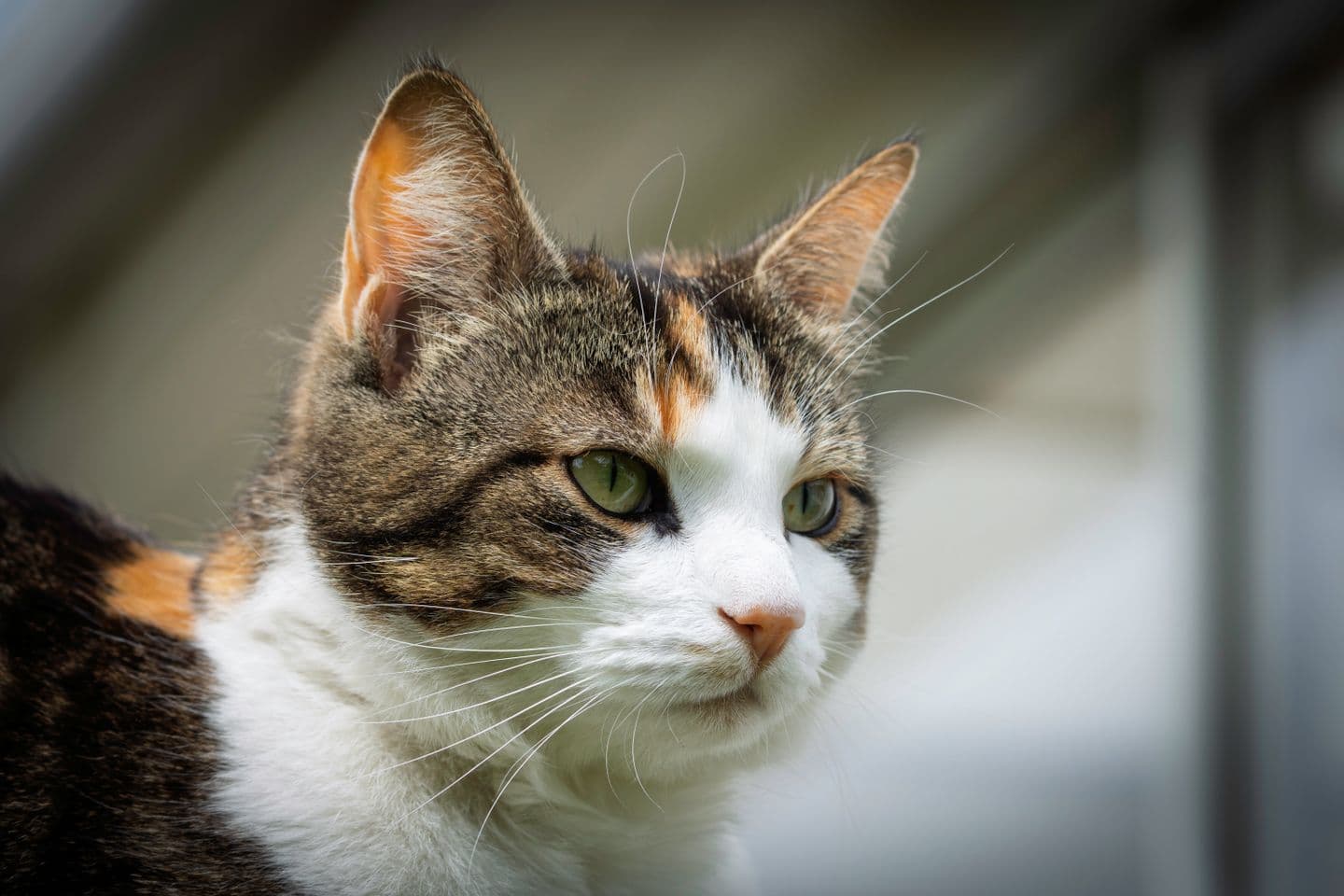
That quick paw swipe between two cats can mean very different things depending on everything else happening around it.
A slap between two cats is one of the more ambiguous pieces of feline body language, since the same basic action can appear in play, in genuine conflict, and in everything in between. Reading the context around the slap, rather than the slap itself, is what actually tells you what is going on.
When a slap is playful
Claws are typically retracted, or only lightly extended
The bodies of both cats remain relaxed, with loose, bouncy movement rather than tension
The cats take turns, with roles swapping between chaser and chased
Ears remain in a neutral or forward position rather than flattened
Breaks occur naturally, with both cats returning voluntarily to continue
When a slap signals real conflict
Claws are extended and the swipe is aimed with more force and speed
Ears are flattened or rotated back, and pupils are dilated
Hissing, growling, or a low, tense body posture accompanies the swipe
One cat is consistently avoiding or retreating from the other rather than re-engaging
The interaction escalates rather than settling back into calm behaviour afterwards
What to do depending on which it is
Genuinely playful slapping between cats that know each other well rarely needs any intervention. If a slap looks tense or one-sided, calmly separating the cats, using a loud clap or tossing a soft object nearby rather than physically intervening, and giving both a chance to settle in separate spaces, is the safer approach. Repeated conflict slapping between household cats is worth addressing at the resource and environment level, since it often points to competition over food, litter boxes, or preferred resting spots rather than a personality clash that needs to be corrected directly.
Even cats that are generally friendly with each other will occasionally slap during an overstimulated play session that has run a little too long, which is a normal, self-correcting part of how cats regulate play, rather than something to worry about on its own.
Where the gentler version of this comes from
Kittens normally learn how much force is acceptable in a play swipe from their littermates and mother, who react sharply to a paw that lands too hard. A kitten raised without littermates, common with hand-raised single kittens rescued in India, sometimes misses out on this early lesson and can play a little heavier-handed as a result, which is worth keeping in mind, and gently correcting through play with toys, if a solo-raised kitten seems to slap harder than expected during play with another cat.
Almost every calico cat you meet, with that distinctive patchwork of orange, black and white, will be female. This is not folklore, it comes down to genetics, and it is one of the more elegant example
A swollen eye looks alarming, and it should get your attention quickly. The eyelid, the eyeball itself, or the tissue around the eye can all swell for very different reasons, so working out which one
Most cats never need their claws trimmed at all, and clipping can even work against them, since cats rely on their claws for both defence and climbing. As cats age and become less mobile, though, claw