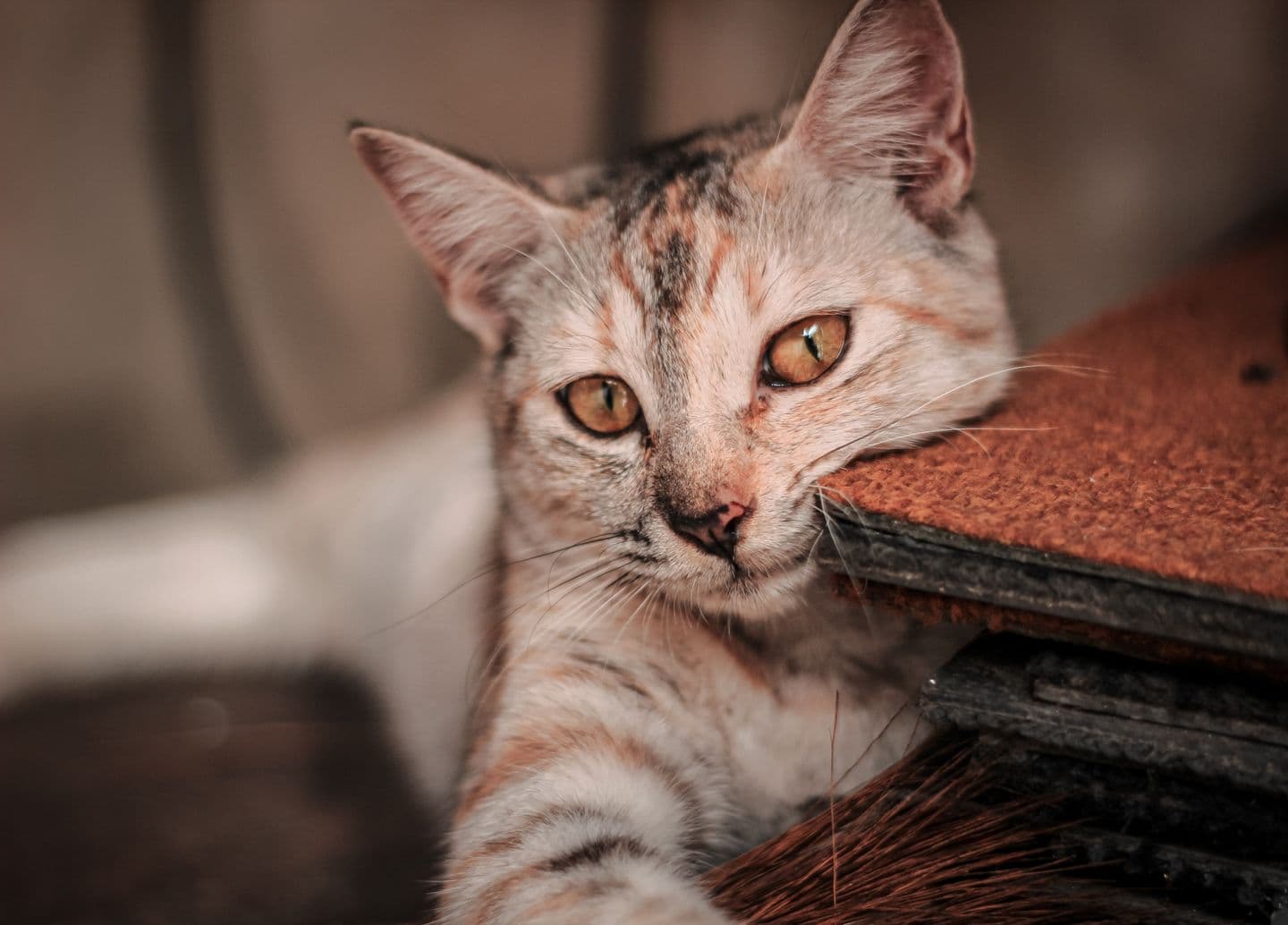
Why Do Female Cats Spray, and How Can You Stop It?
Spraying is often assumed to be a male-only behaviour, but female cats spray too, and understanding why is the first step to managing it in an Indian home, where space is often shared closely between
Spraying is often assumed to be a male-only behaviour, but female cats spray too, and understanding why is the first step to managing it in an Indian home, where space is often shared closely between people and pets.
Why it happens
Being in heat is one of the strongest triggers, as an unspayed female scent-marks to signal her availability to nearby males, and this can happen even indoors if she can smell or sense outdoor cats
Stress, most commonly from changes at home such as a new pet, a new baby, renovation work, or even rearranged furniture
Territorial marking, particularly in multi-cat households or homes near a lot of outdoor cat activity, common in Indian neighbourhoods with resident community cats
Anxiety around litter box cleanliness, location or the presence of another cat guarding it
Underlying medical issues, including urinary tract infections, which can sometimes look similar to spraying at first
Spraying versus ordinary urination
Spraying is usually a small amount of urine deposited on a vertical surface, such as a wall, curtain or the side of furniture, with the cat standing upright and her tail quivering. Ordinary urination outside the litter box is a larger volume on a horizontal surface, and often points to a litter box problem or a medical issue rather than marking behaviour. Telling the two apart helps you and your vet narrow down the cause.
What helps
Spaying is the single most effective step if she is unspayed, since it removes the hormonal drive behind heat-related marking in the majority of cases. Beyond that, a vet visit rules out medical causes, and addressing stress triggers at home makes a real difference, whether that means adding another litter box, cleaning boxes more frequently in India's humid climate where odour builds up fast, or giving her a calmer, more predictable routine. Thoroughly cleaning sprayed areas with an enzymatic cleaner, rather than an ammonia-based one, stops her from being drawn back to the same spot by lingering scent.
Almost every calico cat you meet, with that distinctive patchwork of orange, black and white, will be female. This is not folklore, it comes down to genetics, and it is one of the more elegant example
A swollen eye looks alarming, and it should get your attention quickly. The eyelid, the eyeball itself, or the tissue around the eye can all swell for very different reasons, so working out which one
Most cats never need their claws trimmed at all, and clipping can even work against them, since cats rely on their claws for both defence and climbing. As cats age and become less mobile, though, claw