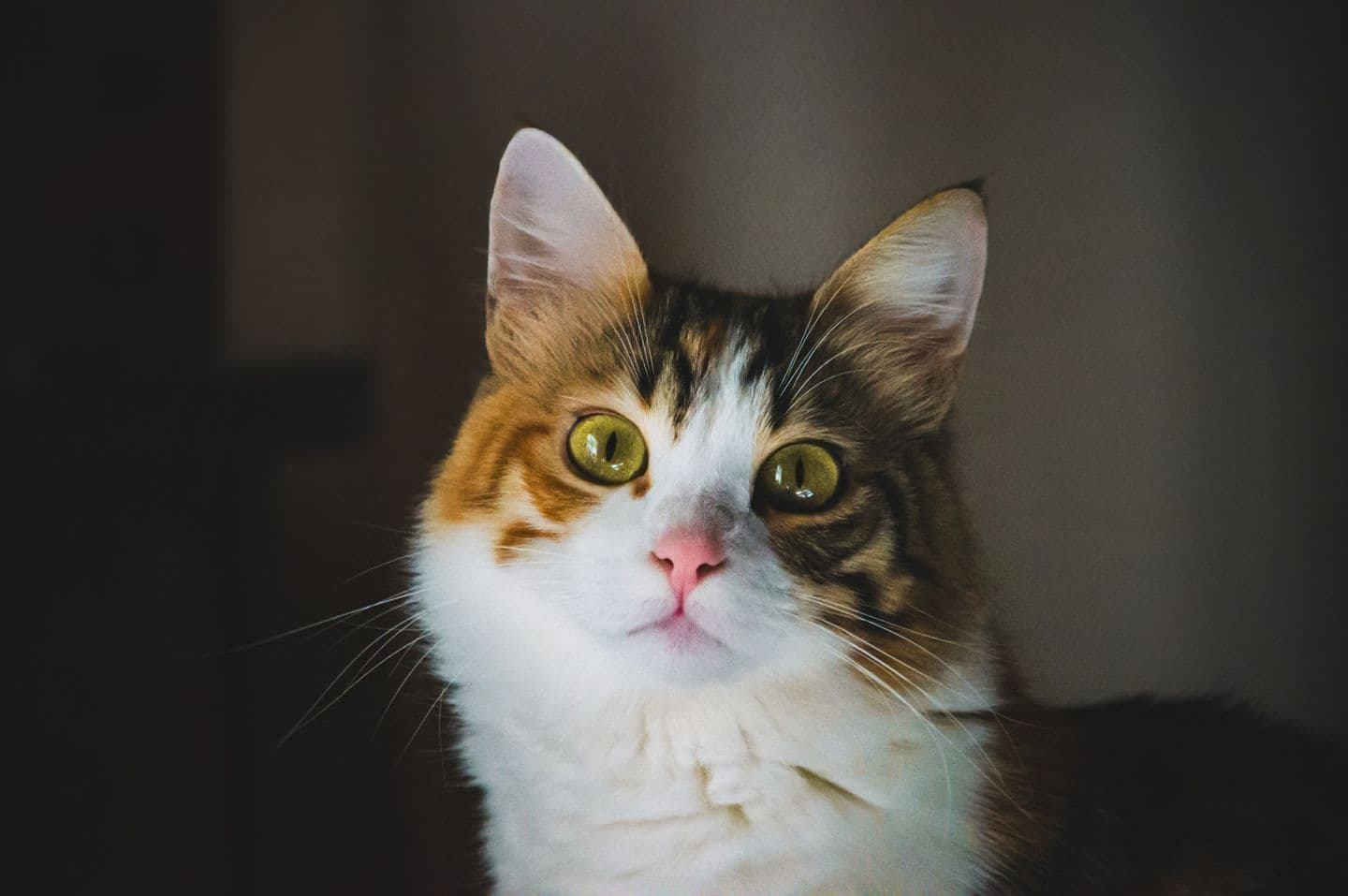
From the kitchen to the bathroom, some cats seem attached at the ankle. Here is why, and when it is worth paying closer attention.
Cats have a reputation for aloofness that most cat owners know is undeserved. Many cats trail their favourite person from room to room, wait outside the bathroom door, and settle wherever their human happens to be sitting. This is not neediness in the way it is sometimes dismissed as. Research on cat and human bonds has found that cats form genuine attachments to their carers, in some ways comparable to how young children attach to a parent.
The common reasons
Genuine attachment: your cat sees you as a source of comfort and security, and being near you is simply where they feel safest
Curiosity: cats are naturally interested in what their people are doing, particularly around food preparation or when a door opens onto something new
Learned association: if you are usually the one who feeds, plays with, or opens doors for your cat, following you tends to be reliably rewarding
Seeking reassurance: cats that were rescued, rehomed, or came from a stressful start, common with many adopted street cats and shelter cats in India, can be more prone to shadowing a trusted person closely
Simple companionship: some cats are just naturally more sociable and enjoy being near their household rather than off on their own
When it might be worth a closer look
Constant following is usually nothing more than affection. It is worth paying attention if the behaviour appears suddenly in an older cat who was previously independent, particularly alongside disorientation, changed sleep patterns, or increased vocalising, since these can point to feline cognitive decline or an underlying medical issue such as hyperthyroidism. It is also worth a look if the following comes with visible distress when you are out of sight, such as crying at closed doors or refusing to eat, which can suggest separation related anxiety rather than simple companionship.
Living comfortably with a shadow
Give your cat a comfortable perch or bed within sight of where you usually work or relax, so being near you does not always mean being underfoot
Build in a few short, predictable one on one moments in the day, so the need for closeness is met rather than constantly chased
Avoid reinforcing only the demanding version of following, such as loud meowing at the fridge, and instead reward calm, quiet company
For most cats, following you around the house is simply a sign of a secure, trusting bond, and not something that needs correcting at all.
The science behind the bond
A 2019 study from Oregon State University, published in the journal Current Biology, tested cats and kittens using a version of the attachment test originally designed for human infants, and found that roughly two out of three cats showed a secure attachment style towards their owner, a figure strikingly close to the rate typically seen in human infants. Securely attached cats used their owner as a safe base, checking in briefly on reunion before returning to confidently explore, rather than remaining anxious or clingy. It was one of the first pieces of research to formally challenge the idea that cats are indifferent to the people who care for them.
Almost every calico cat you meet, with that distinctive patchwork of orange, black and white, will be female. This is not folklore, it comes down to genetics, and it is one of the more elegant example
A swollen eye looks alarming, and it should get your attention quickly. The eyelid, the eyeball itself, or the tissue around the eye can all swell for very different reasons, so working out which one
Most cats never need their claws trimmed at all, and clipping can even work against them, since cats rely on their claws for both defence and climbing. As cats age and become less mobile, though, claw