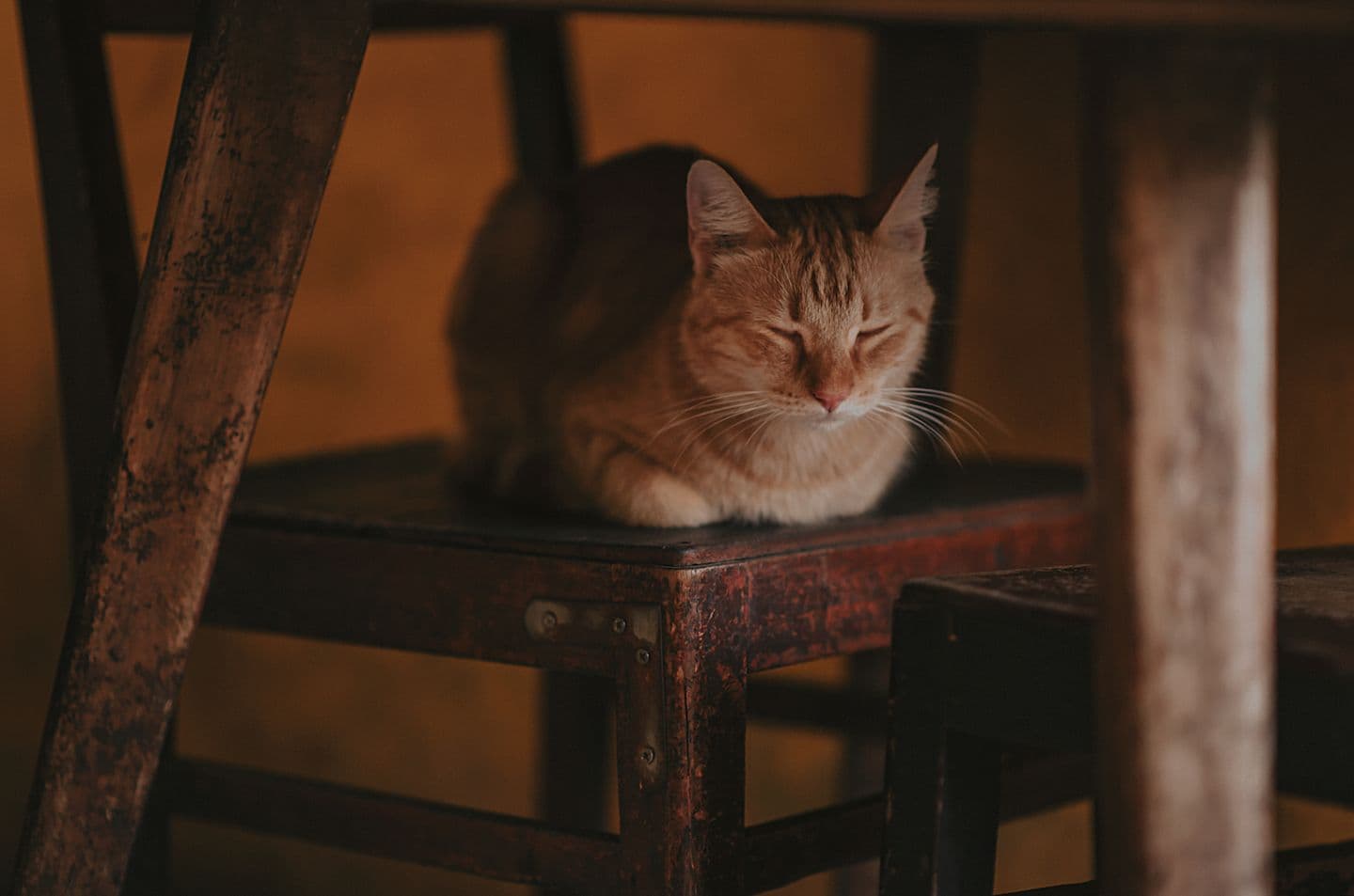
Why Does My Cat Sleep All Day? Normal Rest Versus a Warning Sign
Cats sleep for a large part of the day as a matter of biology, which makes it tricky to know when extra sleep is simply a cat being a cat, and when it reflects something more.
Cats sleep for a large part of the day as a matter of biology, which makes it tricky to know when extra sleep is simply a cat being a cat, and when it reflects something more.
What is normal
Adult cats typically sleep between twelve and sixteen hours a day, and kittens and senior cats often sleep even more. This is completely normal and tied to their instinct to conserve energy between short bursts of activity, a pattern inherited from their wild ancestors.
What separates normal sleep from a concern
The key is engagement, not hours. A cat that sleeps a lot but wakes readily for food, play, or affection, and is active and alert during its waking hours, is likely fine. A cat that is difficult to rouse, uninterested in food when woken, or simply seems unusually flat even when awake needs attention.
Possible reasons for a genuine increase in sleep
Pain, particularly arthritis in older cats, which can be subtle
Anaemia or an underlying illness affecting energy levels
Kidney disease or other organ issues in senior cats
Boredom or lack of stimulation in an under-enriched indoor environment
Depression-like withdrawal following a stressful change at home
When to get it checked
A noticeable, sustained increase in sleep alongside reduced appetite
Difficulty waking your cat or unusual grogginess
Reduced interest in play or affection over more than a few days
Almost every calico cat you meet, with that distinctive patchwork of orange, black and white, will be female. This is not folklore, it comes down to genetics, and it is one of the more elegant example
A swollen eye looks alarming, and it should get your attention quickly. The eyelid, the eyeball itself, or the tissue around the eye can all swell for very different reasons, so working out which one
Most cats never need their claws trimmed at all, and clipping can even work against them, since cats rely on their claws for both defence and climbing. As cats age and become less mobile, though, claw