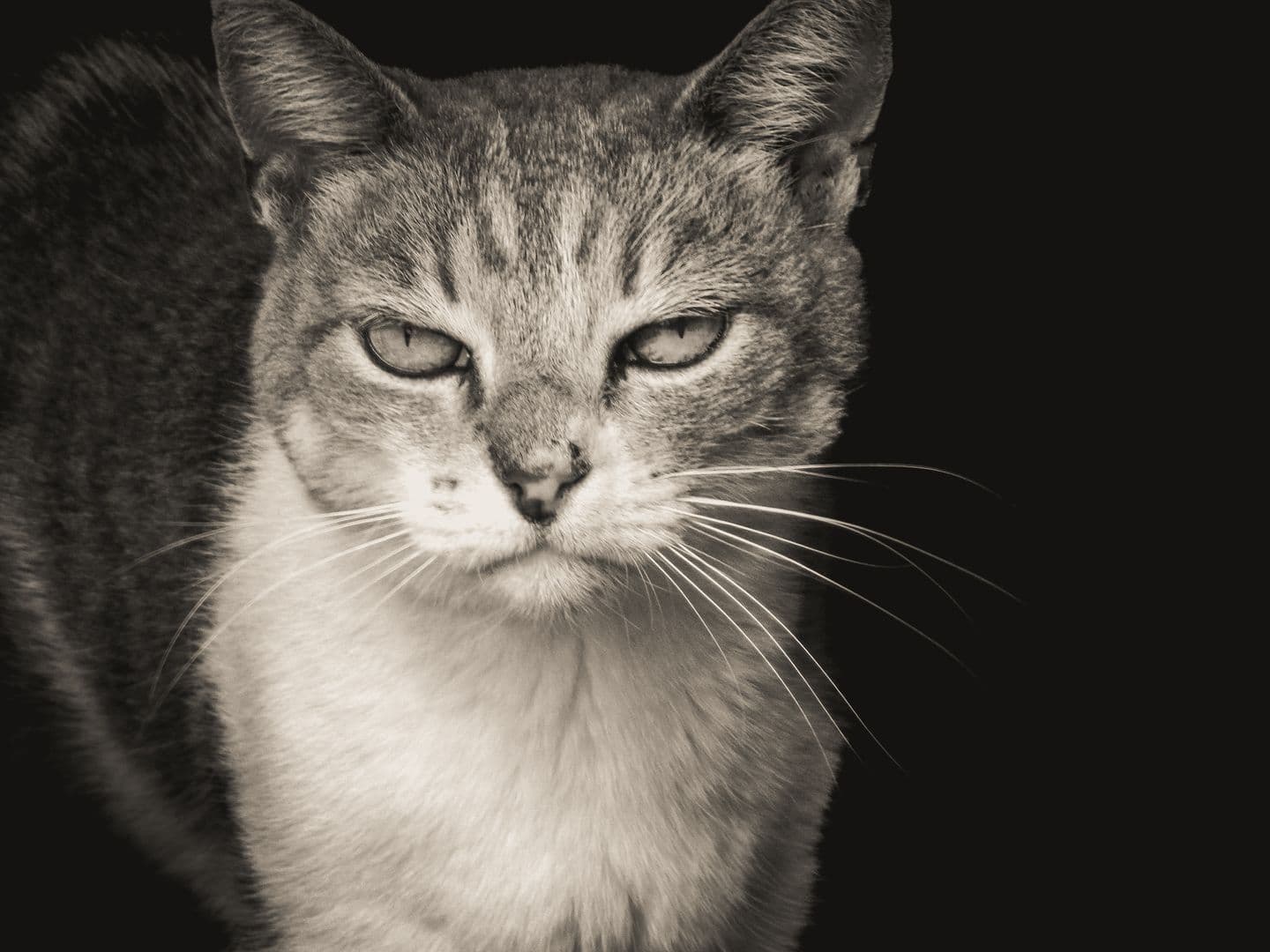
Sudden sprints across the house, chasing nothing, staring at walls. Most of it is completely normal cat behaviour, once you know what is behind it.
Cat owners are used to the occasional odd moment, a cat sprinting from one end of the flat to the other for no obvious reason, or freezing to stare intently at an empty corner. Most of the time, this is simply what being a cat looks like, driven by instincts that do not always make sense from the outside.
The famous zoomies, explained
Sudden bursts of hyperactive running, sometimes called the witching hour, usually happen around dawn or dusk, tying back to a cat's naturally crepuscular activity pattern. They are often a release of pent up energy that has built up over a day with limited physical outlet, especially common in indoor only cats living in smaller Indian apartments with less space to roam.
Other normal but strange looking behaviours
Chasing what looks like nothing, which is often a genuine reaction to a moving dust particle, a shadow, or a sound too faint for human ears to register
Sprinting away from the litter box immediately after using it, thought to be a leftover instinct to put distance between the cat and a spot that could reveal its location to a predator in the wild
Sudden fascination with a specific object, such as a plastic bag, a bottle cap, or a piece of string
Brief, intense self grooming sessions right after something startling happens, thought to help a cat regulate its own stress in the moment
Chasing or pouncing on its own tail, especially in younger cats still learning where their own body ends
When odd behaviour is worth a vet visit
Most sudden bursts of activity or quirky habits are entirely benign. It is worth booking a vet visit if strange behaviour appears suddenly in an older cat, comes with disorientation, changes in appetite, or altered litter box habits, or if a behaviour such as tail chasing becomes repetitive and difficult to interrupt, since this can occasionally point to pain, hyperthyroidism, or an early sign of cognitive change rather than simple high spirits.
Giving frenzied energy a healthy outlet
Schedule two short but genuinely active play sessions a day, ideally timed around early morning and early evening when a cat's energy naturally peaks
Use puzzle feeders or scatter feeding to add mental effort to mealtimes rather than serving food in one flat bowl
Avoid feeding a large meal right at bedtime if the household eats late, since some cats become more active rather than sleepy after a big feed
Offer vertical space, such as a cat tree or a clear shelf, so a burst of energy has somewhere interesting to go
A cat with regular play, a predictable routine, and enough to look at and climb tends to have fewer frantic bursts of the kind that leave owners wondering what on earth just happened.
One frenzy worth telling apart from the rest
Not every burst of frantic energy is harmless zoomies. If a cat has just seen another cat, a bird, or an animal outside through a window or grille and cannot reach it, the resulting agitation can sometimes spill over into redirected aggression towards a nearby person or another household pet, rather than settling on its own the way ordinary zoomies do. If a cat seems genuinely aroused rather than playful after watching something outside, tail lashing and pupils wide, it is safer to give it space and time to calm down before approaching, rather than picking it up or reaching out.
Almost every calico cat you meet, with that distinctive patchwork of orange, black and white, will be female. This is not folklore, it comes down to genetics, and it is one of the more elegant example
A swollen eye looks alarming, and it should get your attention quickly. The eyelid, the eyeball itself, or the tissue around the eye can all swell for very different reasons, so working out which one
Most cats never need their claws trimmed at all, and clipping can even work against them, since cats rely on their claws for both defence and climbing. As cats age and become less mobile, though, claw