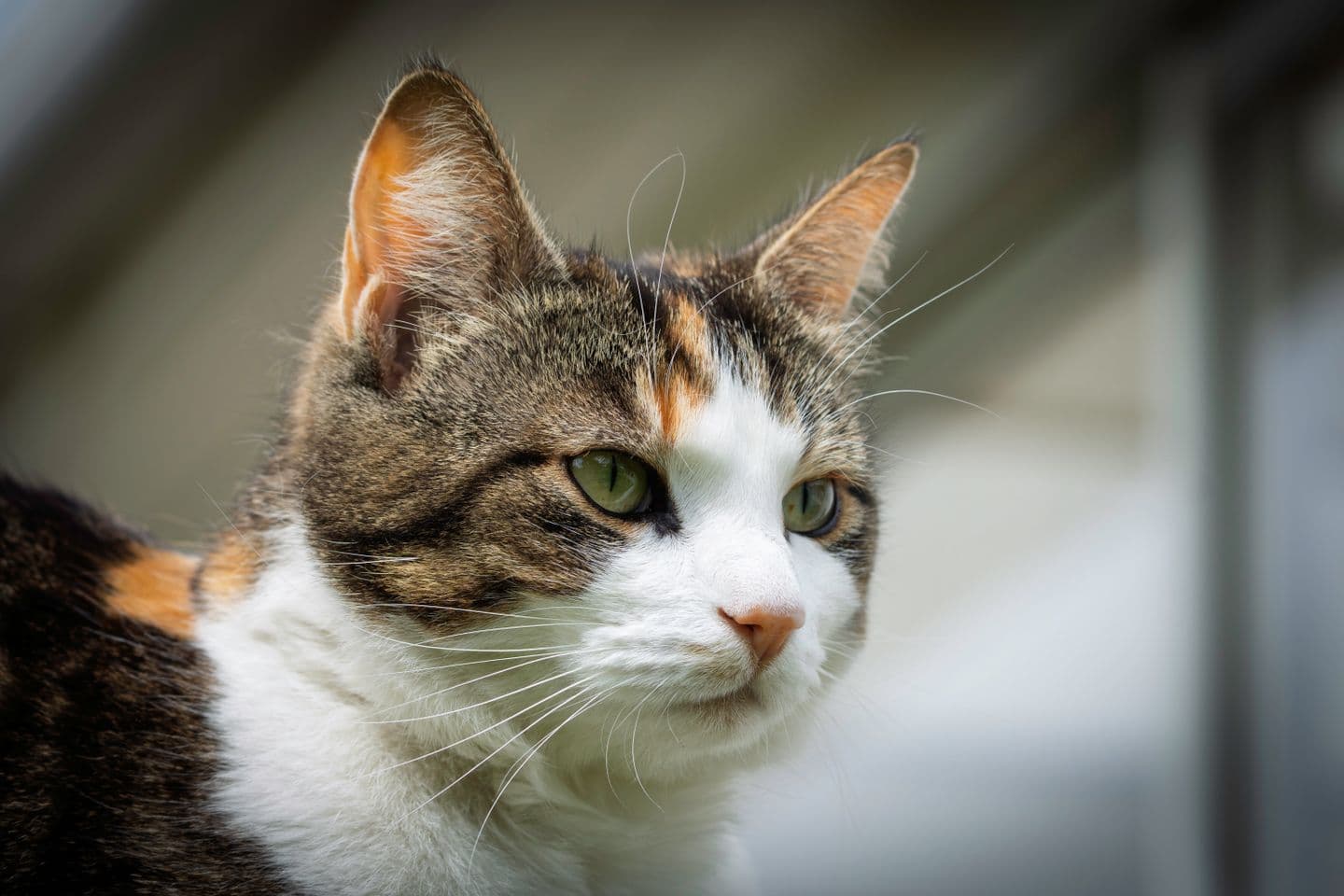
The affectionate stroking session that suddenly ends in teeth is one of the most common, and most misunderstood, feline behaviours.
Petting induced aggression, sometimes called overstimulation, is genuinely common and follows a fairly predictable pattern: a cat appears to enjoy being petted, then abruptly bites or swats and moves away. It can feel like a betrayal, but it almost always reflects a cat's tolerance threshold being reached rather than any change of heart about the affection itself.
Why it happens
Repetitive stroking, especially over the same spot for an extended period, can become genuinely uncomfortable even when it started off pleasant
Static build up from repeated stroking can cause a mild, unpleasant sensation on a cat's sensitive skin
Some cats have a naturally lower tolerance for prolonged touch than others, similar to how people vary in how much physical affection they enjoy at once
A cat that is already slightly overstimulated by something else in the environment may have less tolerance in that moment specifically
Reading the warning signs before it happens
Tail flicking, twitching, or thumping against the floor or furniture
Skin rippling along the back, particularly near the base of the tail
Ears rotating sideways or flattening slightly
Dilated pupils and a sudden stillness or tension in the body
A shift from a relaxed, half-closed gaze to a more alert, fixed stare
What helps
Keep petting sessions shorter than the cat's usual tolerance, stopping while it is still enjoying itself rather than continuing until it reacts
Stick mainly to areas most cats prefer, the cheeks, chin, and base of the ears, and be more cautious around the base of the tail and belly
Watch for early warning signs and pause the moment they appear, rather than waiting for an outright bite
Let the cat initiate contact where possible, since a cat that chose the interaction tends to tolerate more of it
Never punish the bite itself, since it is a communication signal, not an act of aggression in the way it can feel
Learning an individual cat's specific tolerance, which varies quite a bit from one cat to another, is really the whole solution here. Over time, most owners get a good feel for how long is too long, and stopping just before that point keeps petting sessions enjoyable for everyone.
A simple technique worth trying
Some behaviourists recommend a brief consent test before a longer petting session: stroke the cat two or three times, then pause with your hand still nearby rather than continuing automatically. A cat that leans back in or nudges your hand is asking for more. A cat that simply sits still, walks away, or shows any of the early warning signs is telling you it has had enough for now. Checking in this way every so often during a longer session tends to prevent overstimulation before it reaches the point of a bite.
Almost every calico cat you meet, with that distinctive patchwork of orange, black and white, will be female. This is not folklore, it comes down to genetics, and it is one of the more elegant example
A swollen eye looks alarming, and it should get your attention quickly. The eyelid, the eyeball itself, or the tissue around the eye can all swell for very different reasons, so working out which one
Most cats never need their claws trimmed at all, and clipping can even work against them, since cats rely on their claws for both defence and climbing. As cats age and become less mobile, though, claw