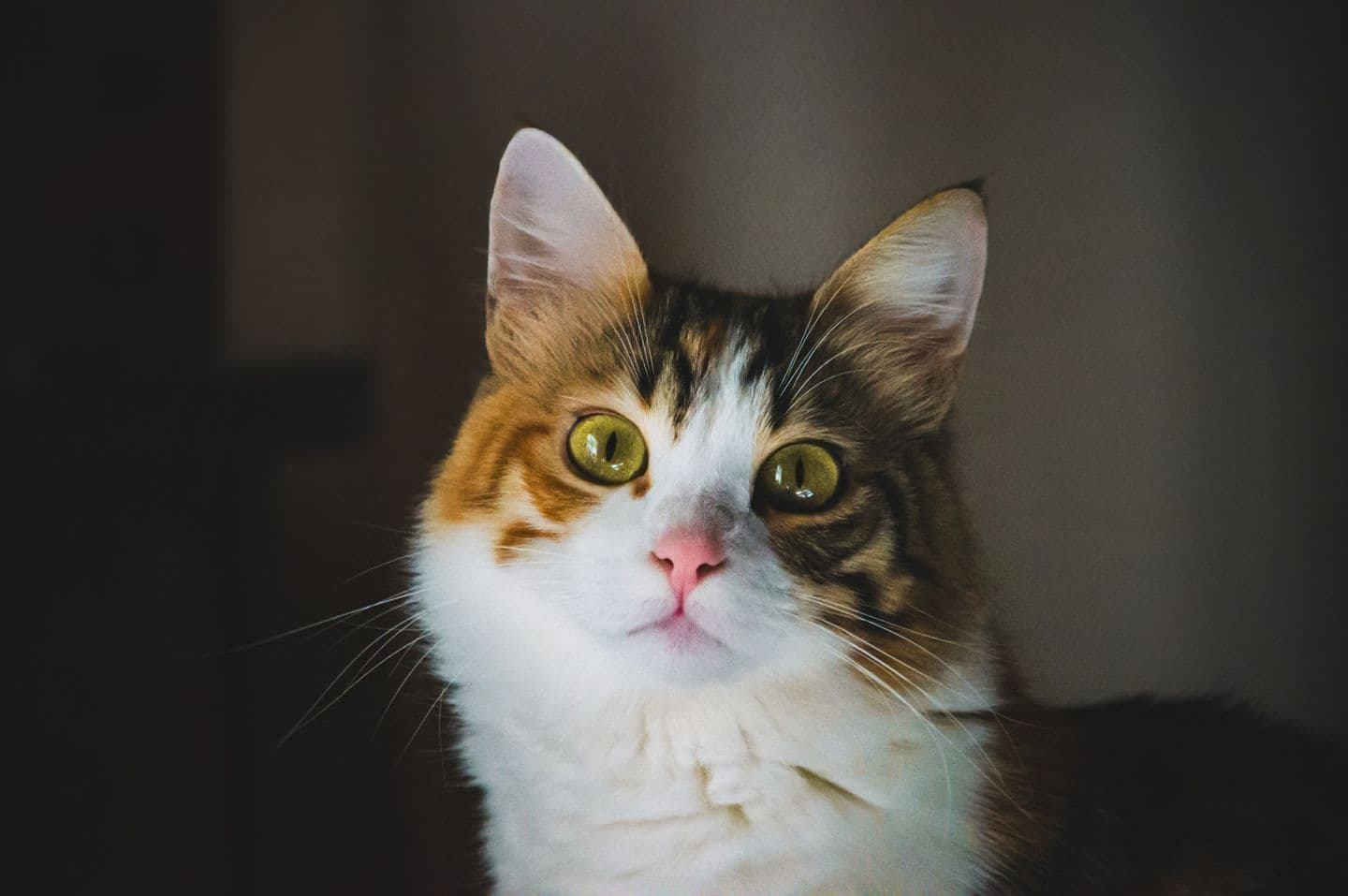
Why Is My Cat Losing Whiskers? Normal Shedding Versus a Problem
Whiskers are far more than decoration. They help a cat judge distances, sense air currents, and navigate tight spaces, which is exactly why noticing whisker loss deserves a closer look.
Whiskers are far more than decoration. They help a cat judge distances, sense air currents, and navigate tight spaces, which is exactly why noticing whisker loss deserves a closer look.
Normal whisker shedding
Like regular fur, whiskers shed naturally and regrow over time. Finding an occasional loose whisker around the house, especially one or two at a time, is completely normal and nothing to worry about.
When whisker loss is not normal
Multiple whiskers falling out at once or within a short period
Whiskers that appear broken or singed rather than shed naturally at the root
Bald or irritated skin at the base of the whisker pad
Whisker loss alongside other skin or coat changes
Possible causes of unusual whisker loss
Facial trauma or fights with another cat
Skin infections or allergies affecting the whisker pad
Nutritional deficiencies, more relevant in cats on an unbalanced home-cooked diet
Stress-related over-grooming that extends to the face
Rarely, an underlying hormonal or systemic illness
A quick note on trimming whiskers
Whiskers should never be trimmed for grooming or aesthetic reasons. Doing so genuinely affects a cat's spatial awareness and confidence, sometimes leading to clumsiness or anxiety until they regrow.
When to see a vet
If whisker loss is sudden, widespread, or accompanied by skin changes, irritation, or other symptoms, a vet visit is worthwhile to identify an underlying cause rather than assuming it is simple shedding.
Almost every calico cat you meet, with that distinctive patchwork of orange, black and white, will be female. This is not folklore, it comes down to genetics, and it is one of the more elegant example
A swollen eye looks alarming, and it should get your attention quickly. The eyelid, the eyeball itself, or the tissue around the eye can all swell for very different reasons, so working out which one
Most cats never need their claws trimmed at all, and clipping can even work against them, since cats rely on their claws for both defence and climbing. As cats age and become less mobile, though, claw