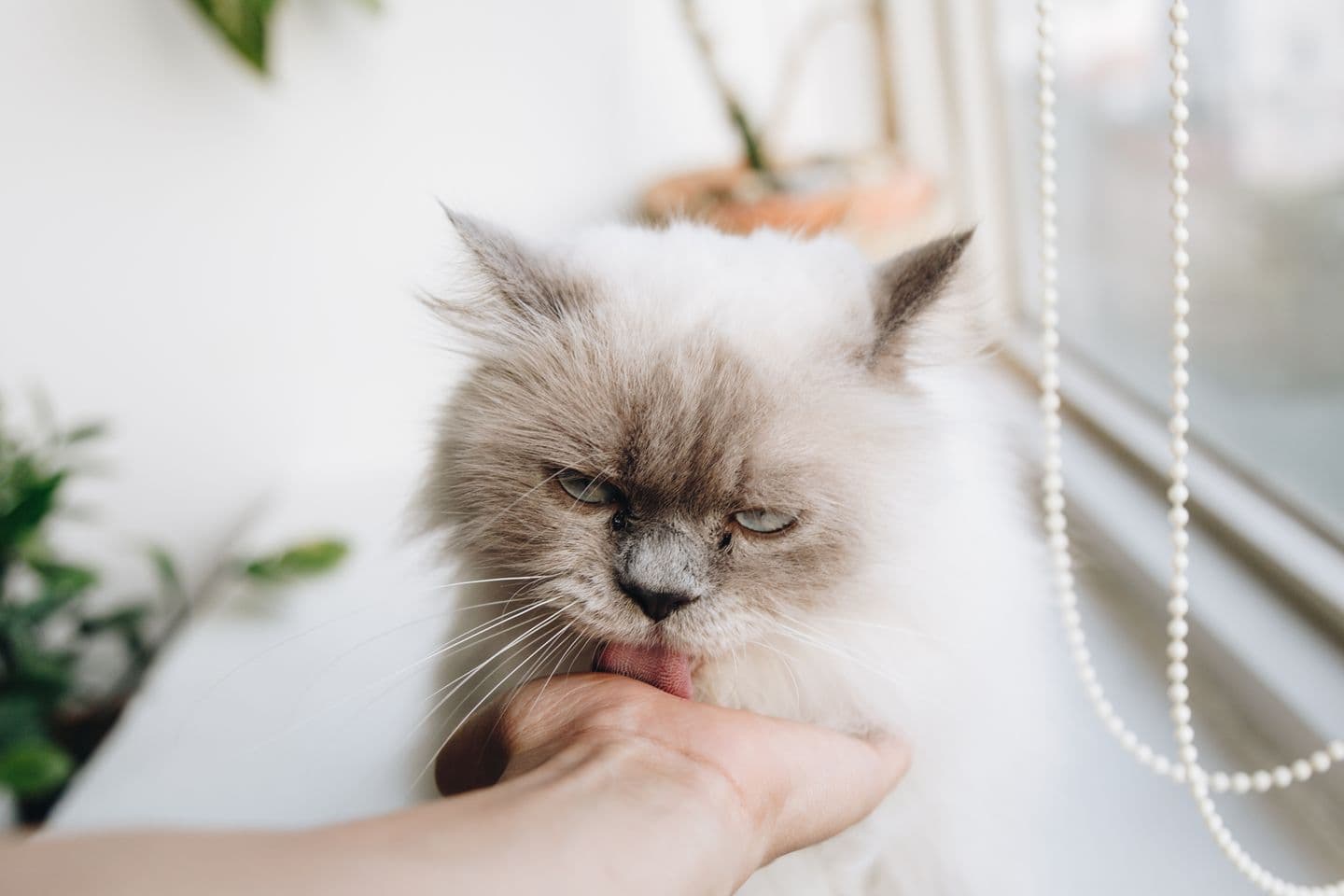
Finding your cat curled up in the litter tray instead of their bed can feel odd, and sometimes a little concerning, but it is more common than most first time cat parents expect.
Finding your cat curled up in the litter tray instead of their bed can feel odd, and sometimes a little concerning, but it is more common than most first time cat parents expect.
Common, harmless reasons
Seeking a quiet, enclosed, secure feeling space, particularly if the box has a hood
A new cat or kitten who has not yet settled into the rest of the home and treats the box as the one familiar corner
Stress from a recent change such as a new pet, a house move, or loud outside noise
Rescued or previously stray cats who associate confined spaces with safety after time spent outdoors
A pregnant or nursing queen seeking a den like spot close to resources
When it is worth watching closely
If your cat is spending long stretches in the box, straining, making frequent short visits, or seems reluctant to leave, this can point to urinary discomfort or another medical issue rather than a preference for the spot. Cats that are unwell often seek out quiet isolation, and the litter box can become that hiding place.
What to do about it
Add other cosy, enclosed resting spots around the house, such as a covered bed or a box lined with a soft towel
Work on reducing any obvious stressor, whether it is a new pet, a change in routine, or noise
Keep a second, spotlessly clean box available so the box being used for rest does not double up as the toilet
Book a vet visit if the behaviour is paired with straining, appetite loss, or any change in urination
Yoast SEO metadata
Tags: cat behaviour, cat health, litter box training, cat care
Almost every calico cat you meet, with that distinctive patchwork of orange, black and white, will be female. This is not folklore, it comes down to genetics, and it is one of the more elegant example
A swollen eye looks alarming, and it should get your attention quickly. The eyelid, the eyeball itself, or the tissue around the eye can all swell for very different reasons, so working out which one
Most cats never need their claws trimmed at all, and clipping can even work against them, since cats rely on their claws for both defence and climbing. As cats age and become less mobile, though, claw