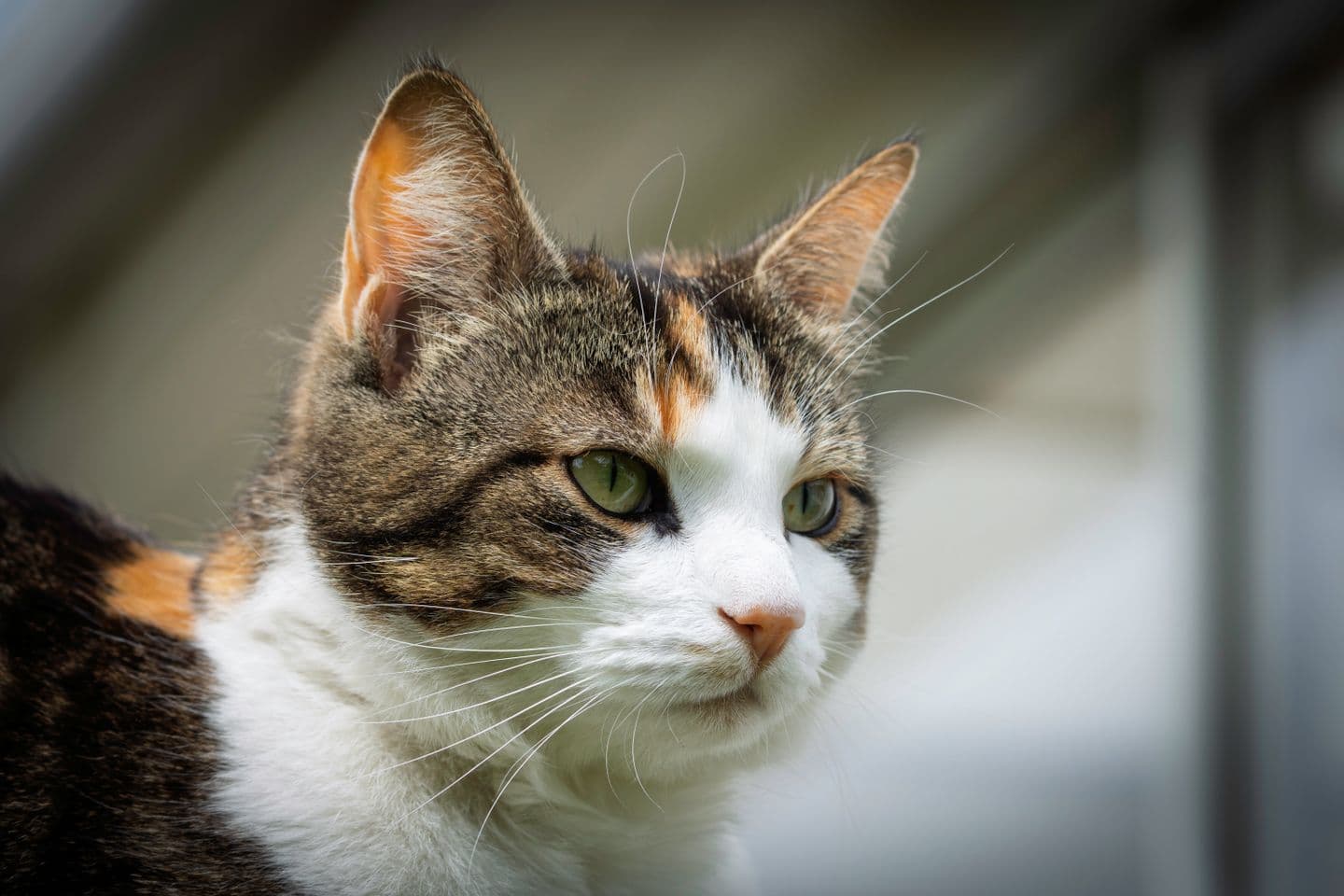
An occasional sneeze is nothing to worry about in cats, much like in people. But frequent sneezing, especially alongside other symptoms, usually points to something going on in the nose or upper airwa
An occasional sneeze is nothing to worry about in cats, much like in people. But frequent sneezing, especially alongside other symptoms, usually points to something going on in the nose or upper airway that is worth investigating.
The most common cause: upper respiratory infection
The great majority of sneezing cats are dealing with an upper respiratory infection, often loosely called cat flu. Feline herpesvirus and calicivirus together account for the vast majority of these infections, and both are highly contagious between cats, spreading through sneezes, shared bowls, and grooming. Herpesvirus in particular is extremely widespread, with most cats being exposed to it at some point in their lives, and it can lie dormant and flare up again during periods of stress.
Other causes to keep in mind
Bacterial infections, often secondary to a viral one, usually recognisable by thick yellow or green discharge from the nose
Dental disease, since the roots of the upper teeth sit close to the nasal passages and an infected tooth root can trigger sneezing
Inhaled irritants such as dust, incense smoke, strong cleaning products or perfume, including agarbatti and dhoop commonly burned in Indian homes, which can irritate a cat's sensitive nasal passages if used in an unventilated room
A foreign object such as a blade of grass lodged in the nose
Less commonly, fungal infections or nasal growths, more likely in older cats with persistent one sided symptoms
When occasional sneezing is fine to watch
A cat sneezing once or twice with no discharge, normal appetite and normal energy can usually be monitored for a day or two without alarm.
When to see a vet
Sneezing that continues for more than a couple of days
Nasal or eye discharge, especially if yellow or green
Reduced appetite, which is common since a blocked nose affects a cat's sense of smell and therefore its interest in food
Lethargy or fever
Any sneezing in a young kitten, which should always be checked promptly
Routine FVRCP vaccination, which protects against the two main viral causes, remains the best prevention, so keeping your cat's vaccination schedule up to date with your vet is one of the most effective things you can do.
Almost every calico cat you meet, with that distinctive patchwork of orange, black and white, will be female. This is not folklore, it comes down to genetics, and it is one of the more elegant example
A swollen eye looks alarming, and it should get your attention quickly. The eyelid, the eyeball itself, or the tissue around the eye can all swell for very different reasons, so working out which one
Most cats never need their claws trimmed at all, and clipping can even work against them, since cats rely on their claws for both defence and climbing. As cats age and become less mobile, though, claw