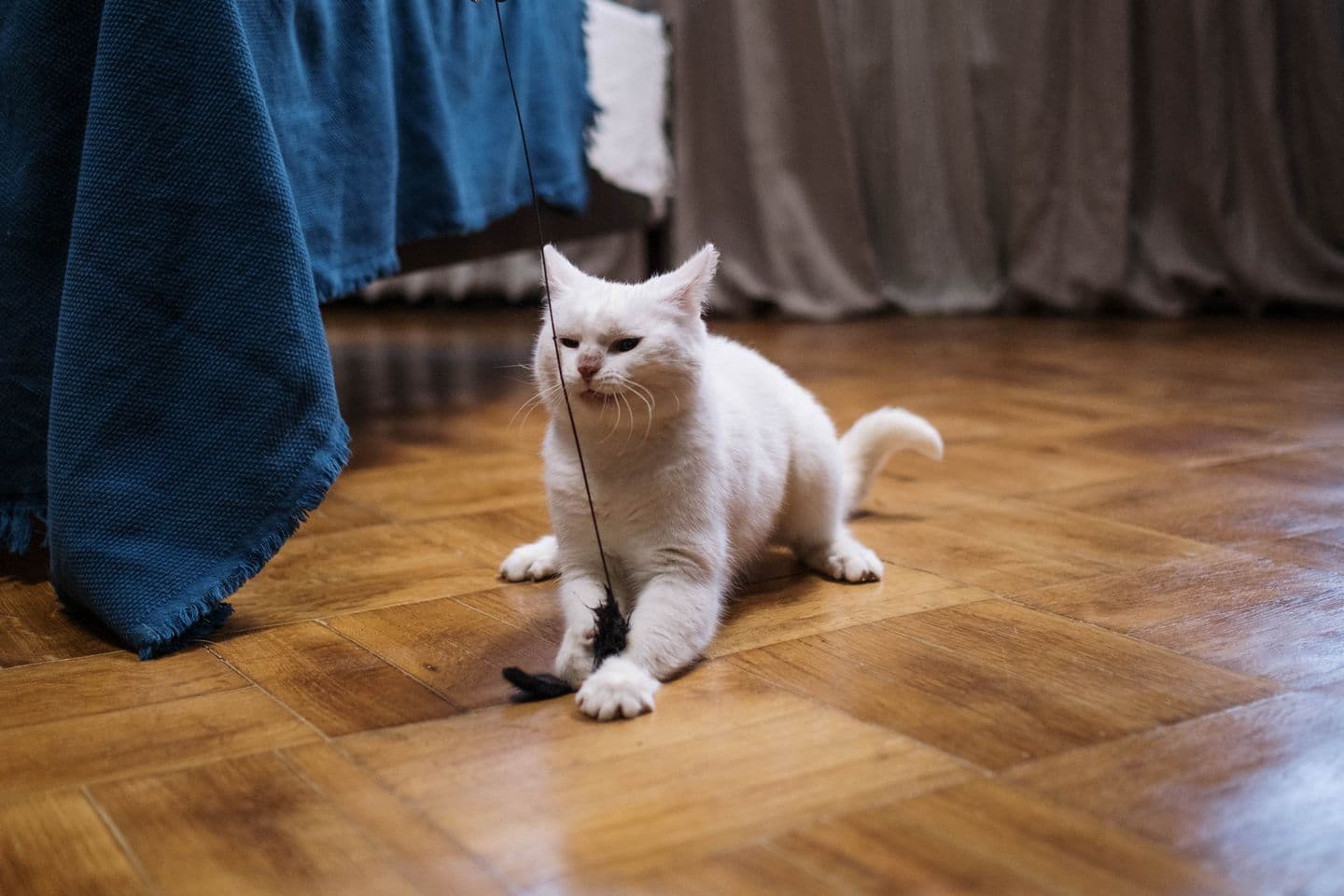
A kitten that once launched itself at every moving object growing into a calmer, more selective adult is entirely normal. But when a previously playful adult cat stops engaging with toys altogether, i
A kitten that once launched itself at every moving object growing into a calmer, more selective adult is entirely normal. But when a previously playful adult cat stops engaging with toys altogether, it is worth looking a little closer rather than simply putting it down to a change in personality.
The most common, least worrying reason: age and natural settling
Play drive naturally decreases as cats move out of kittenhood and into adulthood, and again as they move into their senior years. A cat that still shows interest in short bursts, even if less dramatic than before, is very likely just settling into an adult temperament rather than showing a problem.
Pain and physical discomfort
Cats are notoriously good at masking pain, an instinct left over from being both predator and potential prey in the wild, where visible weakness invites danger. Arthritis, dental pain, or an old injury can all quietly reduce a cat's willingness to chase, pounce, or jump without any obvious limp or vocal complaint. A sudden drop in play interest, rather than a gradual one, is a particularly strong signal to rule out pain with a vet visit before assuming it is behavioural.
Weight and fitness
An overweight cat may genuinely find play physically uncomfortable or tiring in a way a leaner cat does not, which can create a discouraging cycle: less activity leads to more weight gain, which further reduces the appetite for activity. If your cat has gained weight alongside a drop in play interest, a vet-guided weight management plan often revives play interest as a secondary benefit, not just a primary goal in itself.
Boredom with the toys themselves, not with play
Rotate toys regularly rather than leaving the same few out permanently, since novelty matters more to cats than most owners expect.
Match toys to actual hunting instincts, movement, texture, and the ability to be caught, rather than toys chosen for how appealing they look to a person.
Try play at different times of day, since many cats have natural activity peaks around dawn and dusk and may simply be unmotivated during the exact window you are offering it.
Short, several-times-daily sessions often reignite interest better than one long session a cat has already mentally checked out of.
Stress, anxiety, and environmental changes
A new pet, a house move, renovation work, or even a change in your own schedule can all cause a cat to withdraw generally, with reduced play as one of several symptoms alongside changes in eating, grooming, or hiding more than usual. If play has dropped off alongside other behavioural shifts rather than in isolation, the underlying cause is more likely environmental or emotional than purely physical.
When to involve your vet
A sudden, complete loss of interest in play, especially paired with reduced appetite, new hiding behaviour, or any sign of discomfort when moving, warrants a vet visit rather than a wait-and-see approach. Play is not just entertainment for a cat, it is a genuine indicator of physical and emotional wellbeing, and a persistent, unexplained drop in it is worth treating as a symptom rather than dismissing as simply a phase.
Almost every calico cat you meet, with that distinctive patchwork of orange, black and white, will be female. This is not folklore, it comes down to genetics, and it is one of the more elegant example
A swollen eye looks alarming, and it should get your attention quickly. The eyelid, the eyeball itself, or the tissue around the eye can all swell for very different reasons, so working out which one
Most cats never need their claws trimmed at all, and clipping can even work against them, since cats rely on their claws for both defence and climbing. As cats age and become less mobile, though, claw