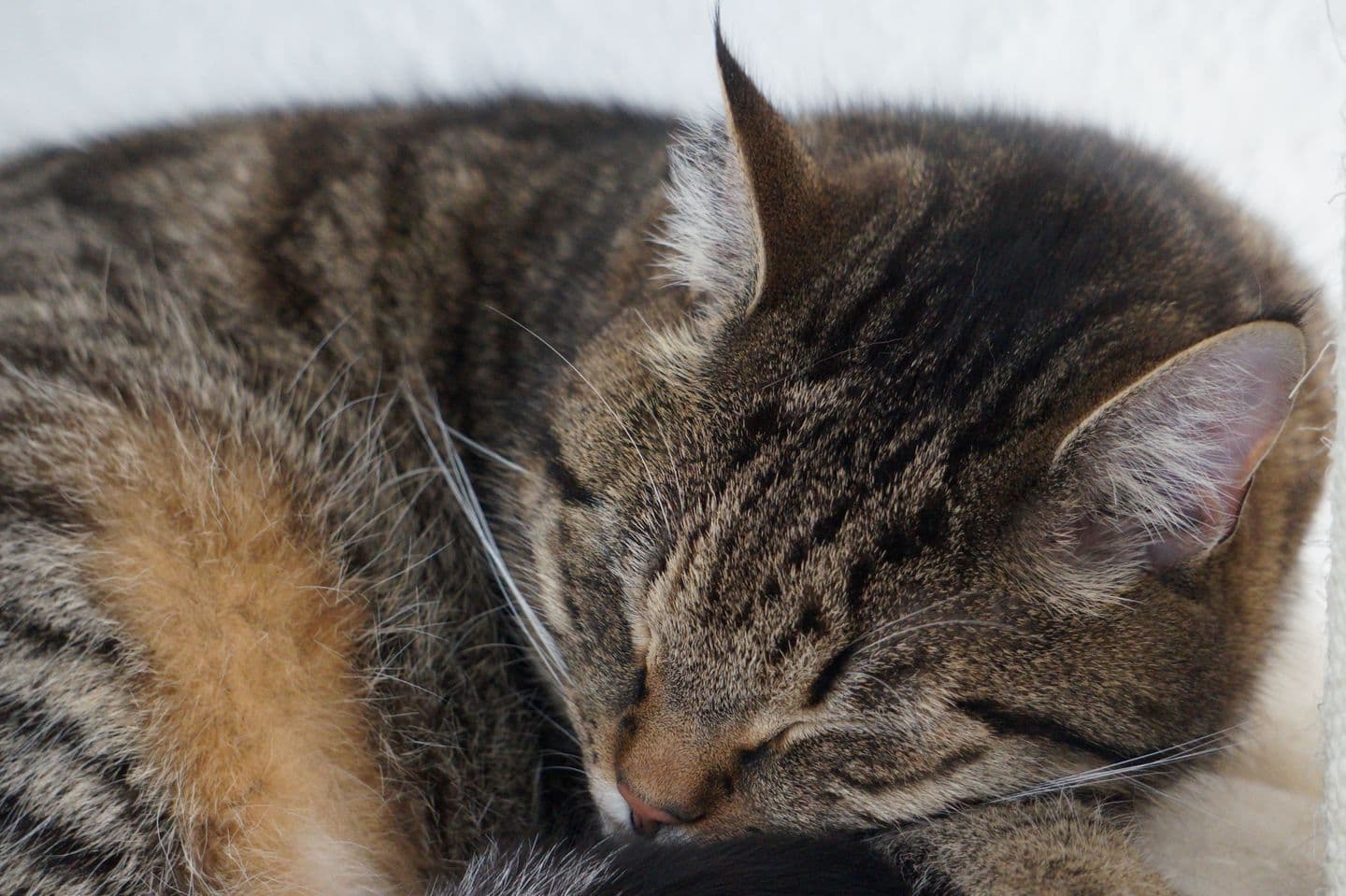
Why Your Cat Sleeps So Much: A Look at Feline Sleep Patterns
An adult cat spends roughly twelve to sixteen hours a day asleep, and kittens and senior cats often sleep even more. This is not laziness. It is a deeply ingrained survival strategy inherited from wil
An adult cat spends roughly twelve to sixteen hours a day asleep, and kittens and senior cats often sleep even more. This is not laziness. It is a deeply ingrained survival strategy inherited from wild ancestors that hunted in short, intense bursts and needed to conserve energy the rest of the time.
Why so much sleep makes evolutionary sense
Hunting is energetically expensive, and a wild cat's success rate on any single attempt is fairly low, meaning many short hunts are needed across a day. Sleeping through the hottest and least productive hunting hours, then becoming active around dawn and dusk, conserved energy for when it actually mattered. Domestic cats retain this rhythm even without ever needing to hunt for food.
Light sleep versus deep sleep
A large portion of a cat's rest is light dozing rather than deep sleep, which is why a seemingly fast-asleep cat can react instantly to a sound or movement. True deep sleep, recognisable by twitching whiskers, paws or tail, tends to happen in shorter stretches throughout the day.
What can affect sleep amount
Age: kittens and senior cats sleep considerably more than cats in their middle years
Weather: many cats sleep more during the hottest hours of an Indian summer afternoon and become more active once it cools down in the evening
Boredom: an understimulated indoor cat may sleep even more than usual simply because there is nothing else to do
Illness or pain: a noticeable increase in sleep, especially paired with reduced appetite or hiding, is worth mentioning to a vet
As a general rule, a cat that sleeps a great deal but is alert, playful and eating normally during its waking hours has nothing to worry about. A sudden, unexplained increase in sleep alongside other changes is the pattern actually worth watching.
Almost every calico cat you meet, with that distinctive patchwork of orange, black and white, will be female. This is not folklore, it comes down to genetics, and it is one of the more elegant example
A swollen eye looks alarming, and it should get your attention quickly. The eyelid, the eyeball itself, or the tissue around the eye can all swell for very different reasons, so working out which one
Most cats never need their claws trimmed at all, and clipping can even work against them, since cats rely on their claws for both defence and climbing. As cats age and become less mobile, though, claw