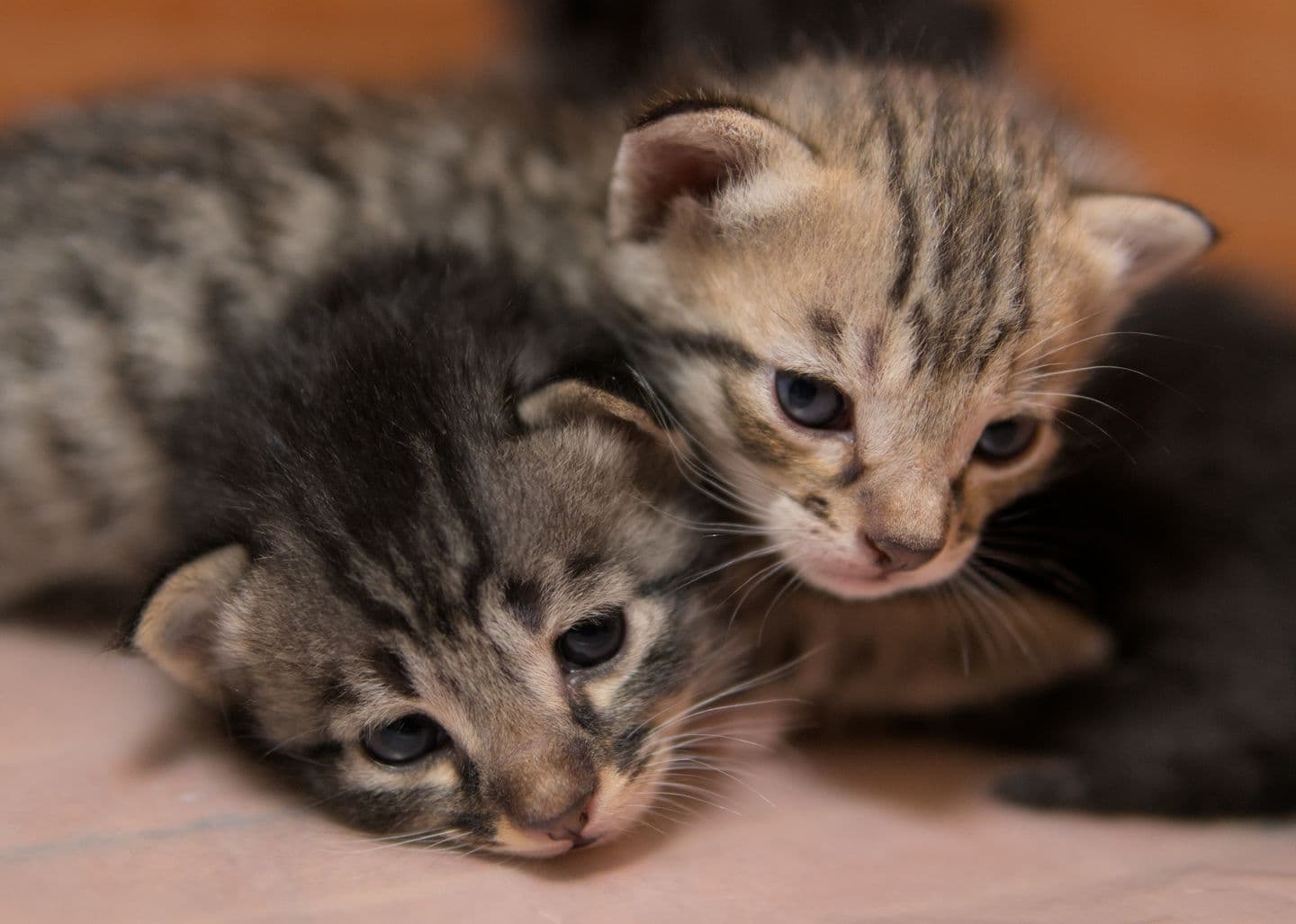
Whether you are caring for a mother's litter at home or have taken on hand-rearing an orphaned kitten, the newborn stage, roughly birth to four weeks, asks for more hands-on involvement than any other
Whether you are caring for a mother's litter at home or have taken on hand-rearing an orphaned kitten, the newborn stage, roughly birth to four weeks, asks for more hands-on involvement than any other period of a cat's life. Here is a practical overview of what that involvement actually looks like.
The three pillars: warmth, food, and hygiene
Almost everything in newborn kitten care comes back to these three basics. A kitten who is warm, adequately fed, and kept clean has the best possible chance, and most emergencies in this age group trace back to a gap in one of these three areas rather than anything more exotic.
Warmth
Newborn kittens cannot regulate their own body temperature for the first few weeks. If a mother is present and healthy, she generally handles this well through body contact. For an orphaned or hand-reared kitten, maintain a nest environment around 29 to 32 degrees Celsius for the first week, gradually reducing to normal room temperature by around four weeks, using a covered heating pad or warm water bottle wrapped in towels rather than direct, unregulated heat.
Feeding
A nursing mother handles feeding entirely on her own in a normal situation, and your role is mostly to support her with good nutrition and a calm environment. For an orphaned kitten, feeding becomes your direct responsibility: proper kitten milk replacer, never cow's milk, every two to three hours around the clock for the first couple of weeks, tapering gradually as the kitten grows and eventually begins weaning onto solid food from around three to four weeks.
Hygiene and elimination
Kittens under three to four weeks cannot toilet independently and need help. A mother licks each kitten after feeding to stimulate this; if you are hand-rearing, a warm, damp cotton ball or soft cloth gently rubbed over the belly and bottom after each feed does the same job. Keep bedding clean and dry, since damp bedding both chills kittens and increases the risk of skin infections.
Monitoring, the habit that catches problems early
Weigh every kitten daily, at the same time each day, on a kitchen scale, and keep a simple written log. A steady daily gain of roughly 10 to 15 grams is the clearest, earliest sign that things are going well, and a stall or loss is very often the first visible clue that something needs attention, well before more obvious symptoms appear.
What to actually record
A simple table with each kitten's name or number, daily weight, and a note on appetite, energy and toileting is enough, no elaborate system needed. Reviewing it every couple of days makes a slow decline in one kitten far easier to spot than relying on memory alone, especially when caring for several kittens who otherwise look and behave similarly.
Socialisation starts earlier than most people expect
Even in the newborn stage, brief, gentle handling, once kittens are warm, fed and settled, begins building comfort with human touch that pays off for the rest of their lives. This should never come at the expense of rest, warmth or feeding, but a few minutes of calm, gentle contact daily from early on is genuinely worth building into the routine.
Know your limits, and who to call
Hand-rearing a newborn litter alone is demanding, round-the-clock work, and there is no shame in reaching out to a vet, a shelter, or an experienced local rescuer for guidance, especially for a first attempt. Many Indian cities have active street cat rescue networks with genuine hand-rearing experience, and a quick call for advice at the first sign of trouble is often what turns a fragile situation into a kitten who thrives.
Almost every calico cat you meet, with that distinctive patchwork of orange, black and white, will be female. This is not folklore, it comes down to genetics, and it is one of the more elegant example
A swollen eye looks alarming, and it should get your attention quickly. The eyelid, the eyeball itself, or the tissue around the eye can all swell for very different reasons, so working out which one
Most cats never need their claws trimmed at all, and clipping can even work against them, since cats rely on their claws for both defence and climbing. As cats age and become less mobile, though, claw