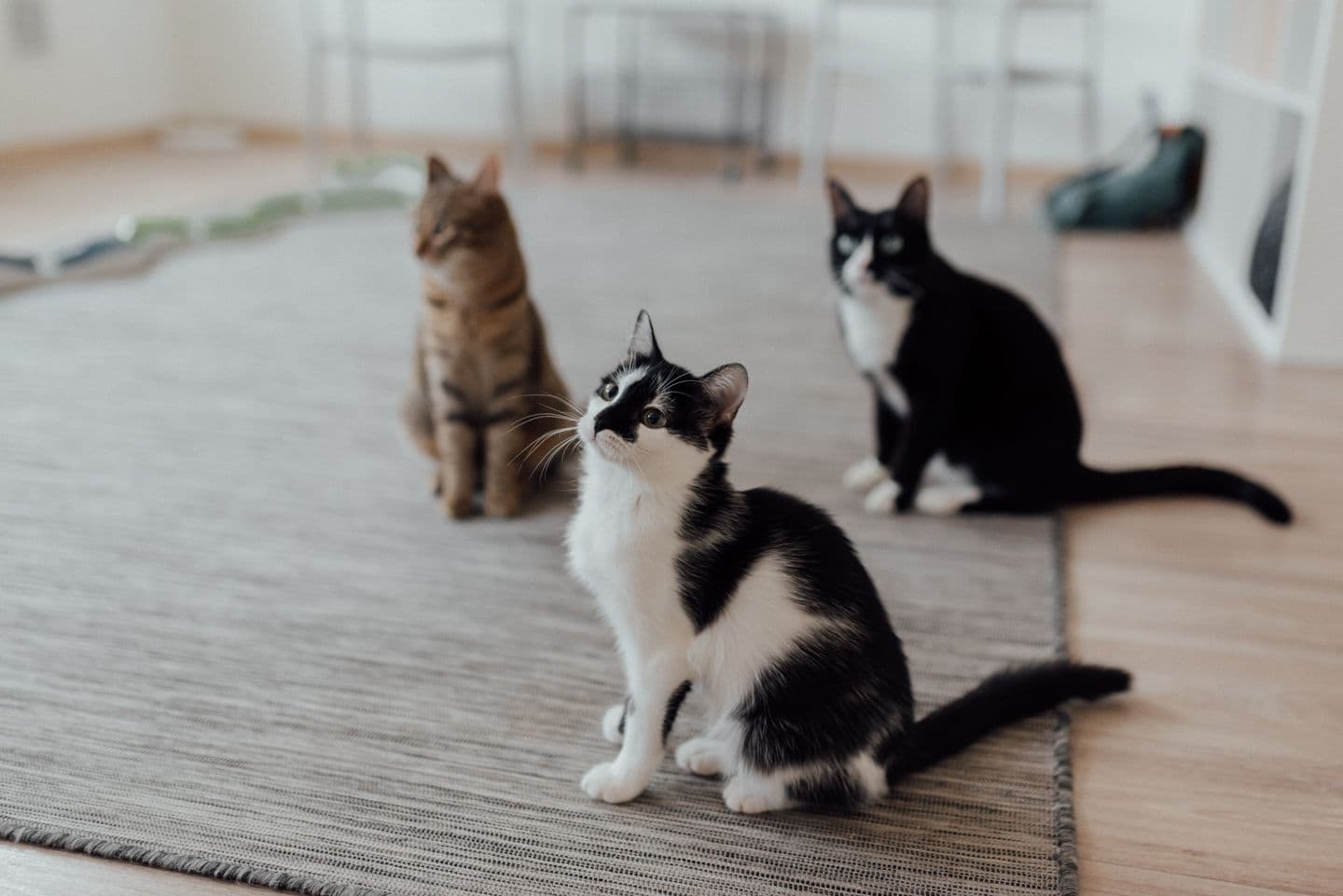
Litter trays are essential for any cat without regular access outdoors, and worthwhile even for a cat that is free to roam.
Types of Tray
Two basic styles dominate the market: open trays with a rim of varying depth and no cover, and covered trays with a removable lid, sometimes fitted with a cat-flap style entrance. Within these two designs, sizes and shapes vary considerably, including smaller trays suited to kittens or triangular designs built to fit into a corner.
Many owners lean toward covered trays, on the assumption that they offer privacy and help contain odour and mess for the household. Plenty of cats do adapt well to them, but some feel vulnerable inside an enclosed space with only one way out, particularly in a home where another cat might use that confined spot to intimidate them.
Self-cleaning trays have grown more popular, though these may appeal more to the person buying them than to the cat using them. Their movement and noise can unsettle a cat and, in some cases, put it off using the tray altogether.
Plastic liners and litter deodorants promise tidier cleaning, but the strong scent involved, and the way claws can catch in the plastic, can be unpleasant for a cat and may even contribute to toileting problems.
Choosing the Right Litter
Litter is now manufactured from a wide range of materials, including paper, wood, silica, corn, and fuller's earth. Many of these options are lightweight, biodegradable, and effective at controlling odour. Kept clean and changed regularly, most types are acceptable to a cat, particularly if the material matches what the cat was weaned onto as a kitten. Fine, sand-like litter tends to suit cats best overall, since it most closely mimics the substrate a cat would instinctively choose.
Litter Tray Tips
Aim for roughly three centimetres of litter depth, the amount research suggests cats generally prefer.
Choose a tray with plenty of room to move around in, ideally about one and a half times the length of the cat from nose to the base of the tail.
Position matters. A quiet, discreet corner, away from food, water, and busy foot traffic, works best.
Cats are often reluctant to use a tray placed near a cat flap or a full-length window, since it can feel exposed to threats from outside.
Keep the tray clean and empty it regularly. Some disinfectants, such as Dettol, turn cloudy in water and are toxic to cats, so stick to hot water and detergent, or a cat-safe diluted bleach, rinsed thoroughly before the tray goes back into use.
Almost every calico cat you meet, with that distinctive patchwork of orange, black and white, will be female. This is not folklore, it comes down to genetics, and it is one of the more elegant example
A swollen eye looks alarming, and it should get your attention quickly. The eyelid, the eyeball itself, or the tissue around the eye can all swell for very different reasons, so working out which one
Most cats never need their claws trimmed at all, and clipping can even work against them, since cats rely on their claws for both defence and climbing. As cats age and become less mobile, though, claw