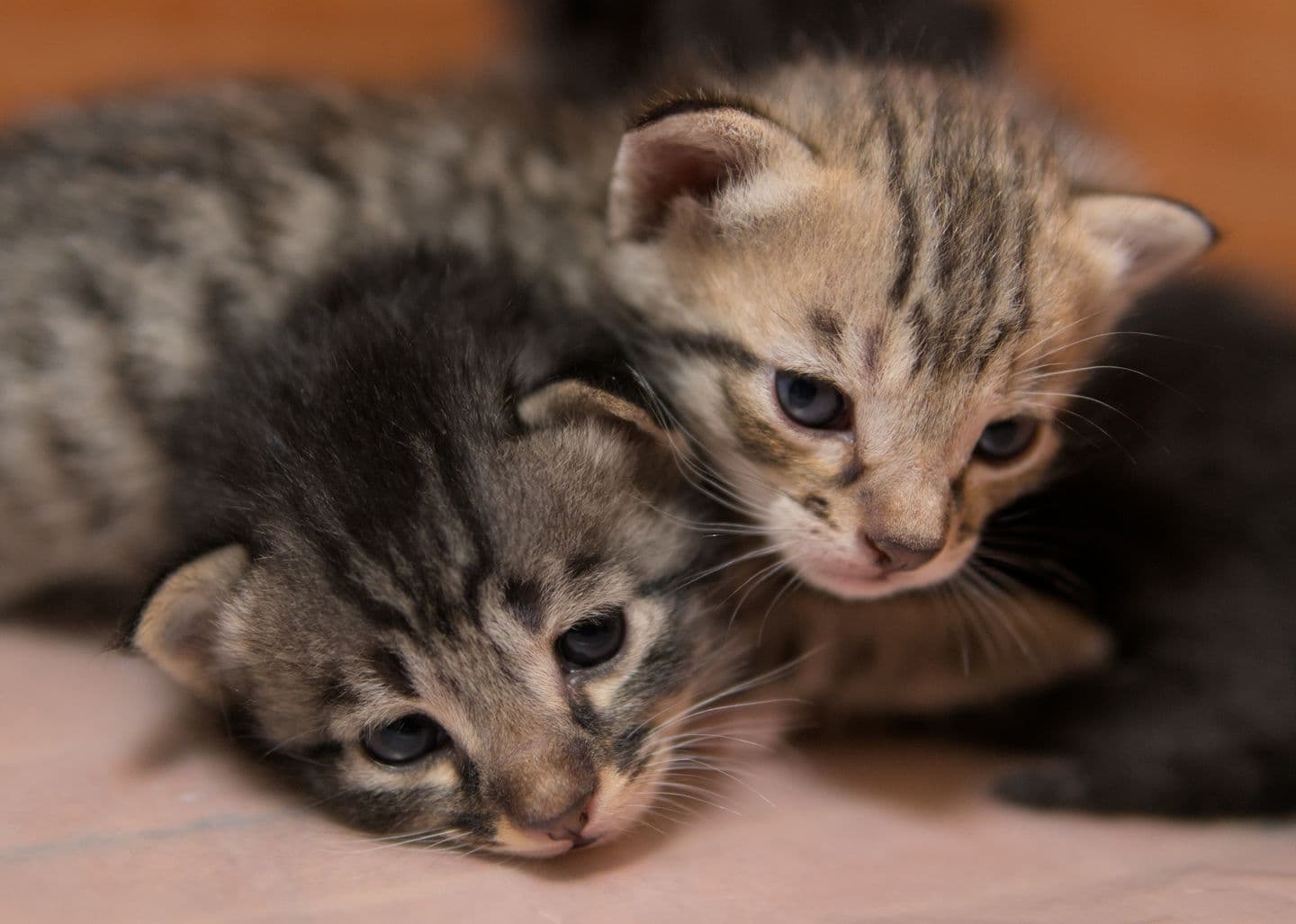
DIY Kitten Milk Replacer: An Emergency Recipe, Not a Long-Term Plan
If you have suddenly found yourself with an orphaned or rejected kitten and no commercial kitten milk replacer within reach, a homemade formula can bridge the gap for a matter of hours, not days. It i
If you have suddenly found yourself with an orphaned or rejected kitten and no commercial kitten milk replacer within reach, a homemade formula can bridge the gap for a matter of hours, not days. It is worth saying plainly before anything else: this is a stop-gap, not a substitute for proper KMR, and continued use will harm a kitten's development.
Why homemade is only ever an emergency measure
Commercial kitten milk replacer is formulated to match the protein, fat and calorie density of real cat milk, along with taurine and other nutrients kittens cannot make themselves. Homemade recipes cannot fully replicate this balance, and cow's milk in particular has a lactose content that most kittens digest poorly, often causing diarrhoea that makes a fragile kitten's situation worse rather than better. Treat any homemade formula as something to use for one or two feeds while you arrange proper KMR, available from vet clinics, larger pet stores, and increasingly through same-day delivery from Indian pet supply sites.
An emergency recipe
1 cup goat's milk or full-fat cow's milk, warmed but not boiled
1 egg yolk
A small pinch of salt
Blend the ingredients until completely smooth, with no lumps that could block a bottle teat. Warm the mixture to roughly body temperature, around 37 to 38 degrees Celsius, checking on the inside of your wrist before feeding, and never microwave it, since microwaves heat unevenly and can scald a kitten's mouth even when the outside of the container feels only warm. Refrigerate any unused portion and discard it after 24 hours, since bacteria multiply quickly in milk-based mixtures.
How much and how often
A newborn kitten's stomach holds roughly 4 millilitres per 100 grams of body weight, so a very small kitten, weighing perhaps 100 grams, should be offered somewhere around 2 to 6 millilitres per feed, every two to three hours, including overnight for the first week. Track weight daily on a kitchen scale, aiming for a steady gain of roughly 10 to 15 grams a day, and adjust the volume upward gradually as the kitten grows rather than jumping straight to a bigger feed.
Feeding technique matters as much as the formula
Always feed a kitten belly-down on a flat, stable surface, as close as possible to their natural nursing position, never on their back, since formula going down the wrong way can cause aspiration pneumonia, which is genuinely life-threatening. Hold the bottle at a gentle angle rather than straight up, and never squeeze formula into the kitten's mouth. Let them suckle at their own pace, and stop the moment they lose interest or the belly looks rounded, since overfeeding brings its own risk of vomiting and diarrhoea. Gently pat or rub the kitten's back afterwards to help bring up any swallowed air.
Hygiene matters as much as the recipe
Wash your hands and sterilise the bottle, teat and any mixing equipment before every use. A kitten's immune system is not yet capable of fighting off much, and contaminated feeding equipment is a common, avoidable cause of illness in hand-reared litters.
Get to proper KMR as soon as you possibly can
In most Indian cities, a 24-hour veterinary clinic or emergency pet pharmacy can supply commercial kitten milk replacer even outside normal hours, and it is worth calling ahead to check stock rather than assuming. If you are near a shelter or an active street cat rescue network, many keep KMR on hand and are usually willing to help in a genuine emergency, particularly given how often orphaned litters turn up unexpectedly across Indian cities.
Almost every calico cat you meet, with that distinctive patchwork of orange, black and white, will be female. This is not folklore, it comes down to genetics, and it is one of the more elegant example
A swollen eye looks alarming, and it should get your attention quickly. The eyelid, the eyeball itself, or the tissue around the eye can all swell for very different reasons, so working out which one
Most cats never need their claws trimmed at all, and clipping can even work against them, since cats rely on their claws for both defence and climbing. As cats age and become less mobile, though, claw