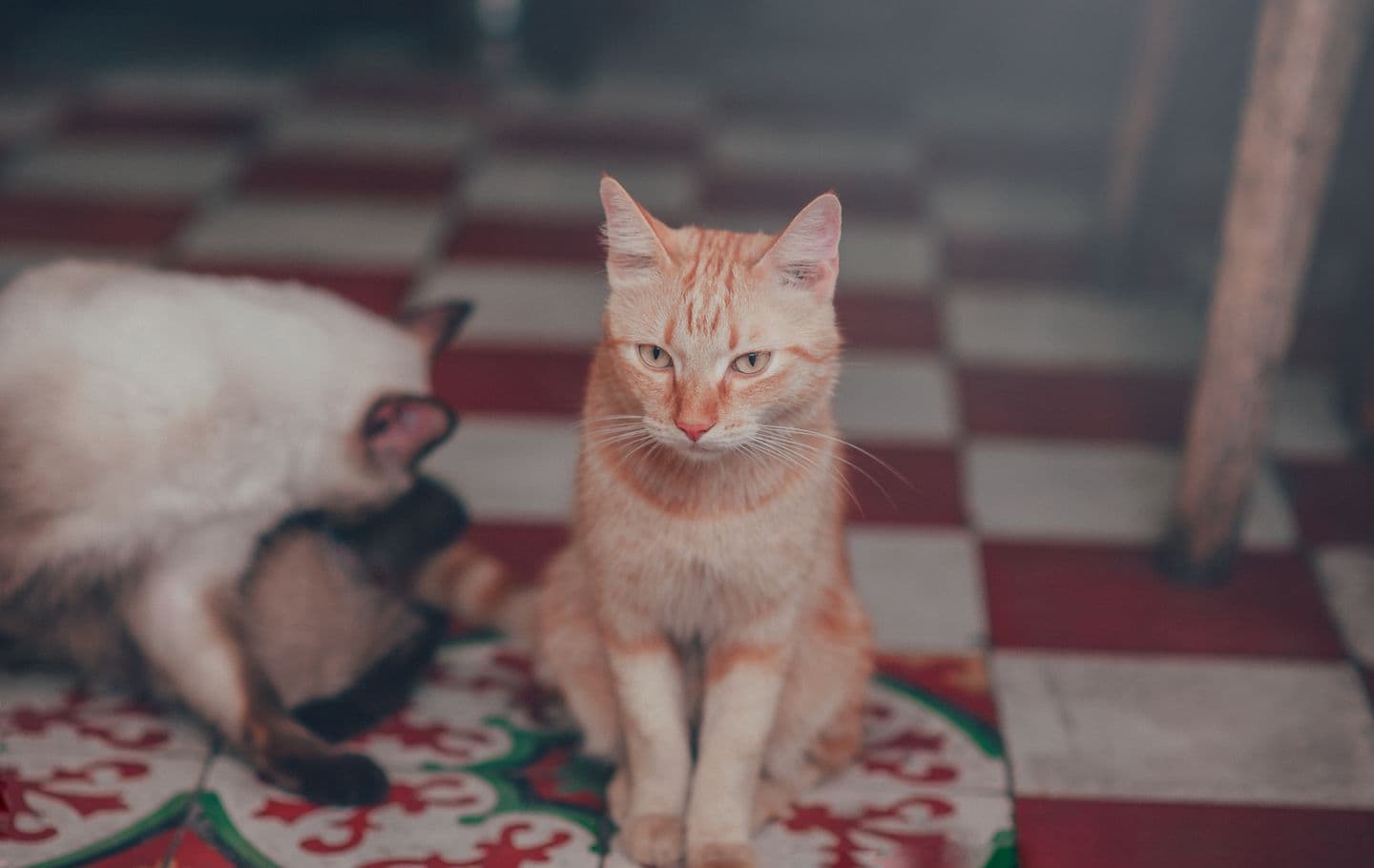
Do Cats Grieve Too? Helping Your Surviving Cat Through Loss
If you have lost one cat in a multi-cat household, you may notice the surviving cat behaving differently in the weeks after. While cats cannot tell us in words what they are feeling, changes in behavi
If you have lost one cat in a multi-cat household, you may notice the surviving cat behaving differently in the weeks after. While cats cannot tell us in words what they are feeling, changes in behaviour strongly suggest that cats do experience something close to grief when a bonded companion dies.
Signs a surviving cat may be grieving
Searching the house repeatedly, especially the departed cat's favourite spots.
Reduced appetite or unusual pickiness with food.
Increased vocalisation, particularly meowing or calling out at times the two cats used to interact.
Sleeping more, or seeking more physical closeness with you than usual.
Uncharacteristic clinginess or, in some cats, the opposite: increased hiding.
What actually helps
Keep your surviving cat's daily routine as stable as possible. Cats find comfort in predictability, especially when something in their world has clearly changed. Keep feeding times, play sessions and resting spots the same.
Spend a little extra time with them, through play, grooming, or simply sitting nearby. This will not replace the bond they lost, but it reassures them that their world has not entirely fallen apart.
Resist the urge to bring home a new cat immediately to 'fix' the loneliness. Introducing a new cat too soon can add stress rather than comfort, especially if your surviving cat is still adjusting. Give it at least a few weeks, and read their body language before considering a new addition.
When to involve your vet
If your surviving cat stops eating for more than a day or two, loses noticeable weight, or shows signs of depression that do not ease after a few weeks, have them checked by a vet. Sometimes what looks like grief can also be an underlying medical issue that has simply become more visible with the change in household dynamics.
Almost every calico cat you meet, with that distinctive patchwork of orange, black and white, will be female. This is not folklore, it comes down to genetics, and it is one of the more elegant example
A swollen eye looks alarming, and it should get your attention quickly. The eyelid, the eyeball itself, or the tissue around the eye can all swell for very different reasons, so working out which one
Most cats never need their claws trimmed at all, and clipping can even work against them, since cats rely on their claws for both defence and climbing. As cats age and become less mobile, though, claw