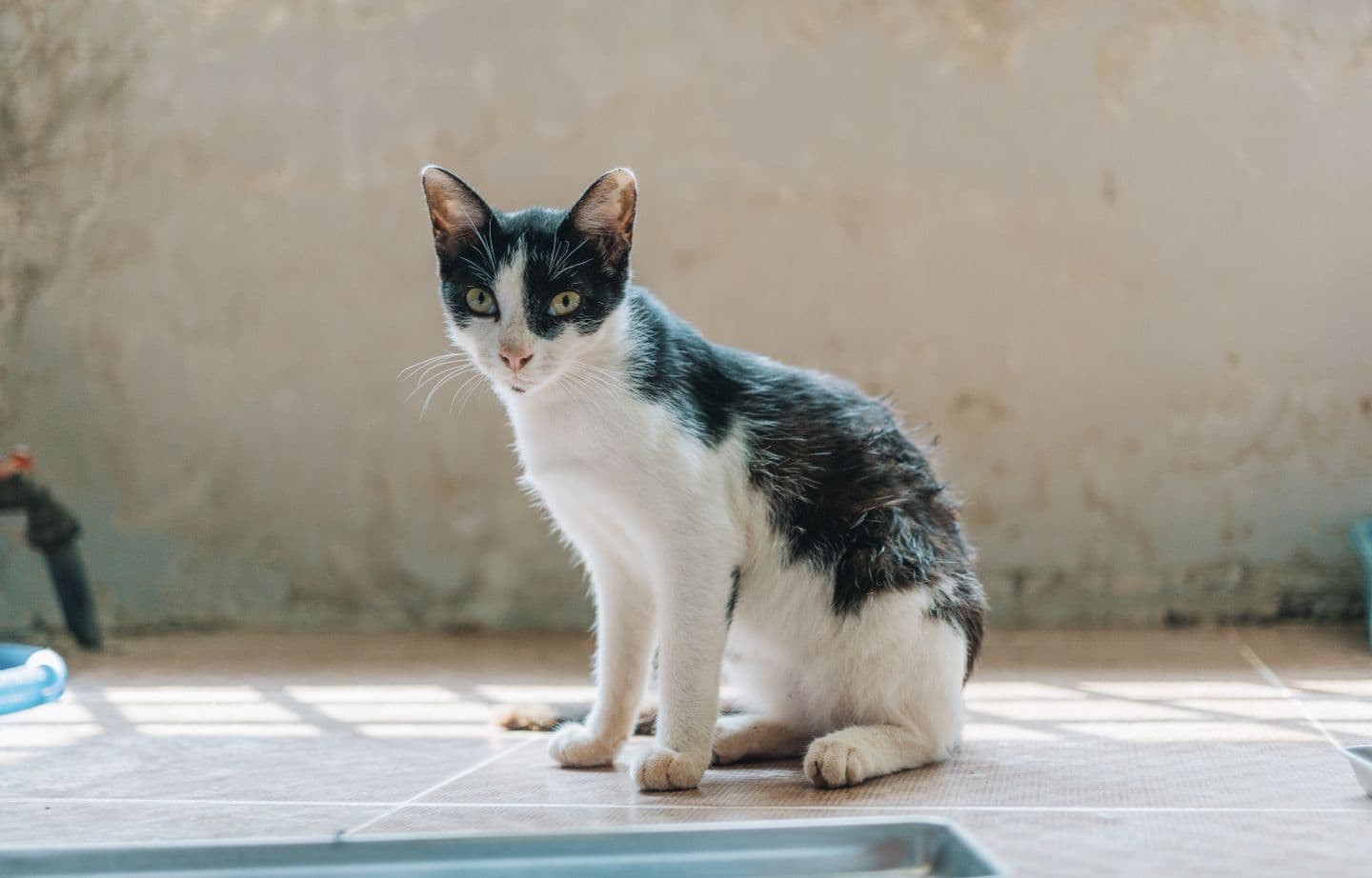
We love our cats when they wind around our legs, knead our laps, or lock eyes with us and purr. We love them rather less at three in the morning, when they're tearing through the house, or when a perf
We love our cats when they wind around our legs, knead our laps, or lock eyes with us and purr. We love them rather less at three in the morning, when they're tearing through the house, or when a perfectly clean litter box suddenly isn't good enough. The reassuring news is that almost every common cat complaint has a workable fix. Here are eight of the most frequent, and what actually helps.
1. Litter Box Avoidance
This is consistently the top complaint cat owners raise, and understandably so. It's maddening when your cat decides the box is off limits. There's usually a reason behind it, and usually a fix too.
See your vet first. Bladder stones, urinary tract disease and crystals in the urine can all drive a cat away from the box, so rule out the medical causes before anything else.
Keep at least one box per cat. If your cat has to queue, they may go elsewhere instead. Try a few box styles and litter types, as some cats prefer covered boxes and others don't, and litter preference varies too.
Clean the box at least once a day, twice if there's more than one cat in the house. Even clumping litter needs regular changing.
2. Scratching
It can feel personal when your cat shreds the sofa, but they're not doing it to spite you. Scratching works off energy, marks territory, and sheds the frayed outer layers of the claw. It's also easy to redirect.
Buy one or more scratching posts and dab a little catnip on them to draw your cat over.
Trim your cat's claws regularly. It looks daunting but a vet can show you the technique in about ten seconds, and it's a skill worth learning.
Consider soft vinyl nail caps, which fit over the claws and prevent damage when your cat does scratch.
3. Aggression Between Cats
Aggression can stem from illness, overcrowding, poor socialisation, maternal protectiveness, or simply rough play that's tipped too far.
Talk to your vet first. Pain and illness sour anyone's temper, so rule out physical causes before assuming it's behavioural.
Unfixed male cats are considerably more prone to aggression, and a single intact male can unsettle every other cat in the house. Spaying or neutering solves this cleanly.
Make sure there are enough resources to go around: litter boxes, food and water bowls, toys, beds and perches, spread through the house rather than clustered in one spot.
Never try to physically separate fighting cats. Break it up with a squirt of water, a loud noise, or something soft tossed nearby.
If the cause isn't obvious, a veterinary behaviourist can help get to the bottom of it.
4. Too Much Night-Time Activity
Cats were nocturnal long before they were domesticated, which explains why so many new owners find themselves woken at 3am.
Rule out pain or illness first. An agitated, overly active cat may simply be uncomfortable.
Tire your cat out with a proper play session before bed.
Enrich the daytime environment with toys, a window perch overlooking birds or squirrels, and things to explore like boxes and paper bags, so your cat is naturally more inclined to sleep once night falls.
A companion cat can help a sociable cat settle.
Feed the main meal in the evening, since cats tend to sleep after eating, and a timed feeder that pops open overnight can keep them entertained while you sleep on.
5. Play-Induced Biting and Scratching
Kittens and cats play hard, and each pounce and swat is building coordination and social skill. The trouble starts when that energy is aimed at your hands.
Provide plenty of enrichment: toys, perches, boxes, bags, and outdoor enclosures where possible. A companion cat can help too.
Play with your cat for at least ten minutes, twice a day, using wand toys, balls, catnip toys or simply wadded-up paper.
Never encourage play with your bare hands or feet. Kittens who learn to nibble fingers often grow into cats with a hard play bite.
Don't punish play bites or scratches. Cats easily read a slap as rough play, or become wary of you altogether.
6. Fleas
If your cat is scratching, chewing or licking excessively, losing hair, or showing irritated skin, fleas are a likely culprit. It only takes one to start an infestation.
Talk to your vet about flea control, and treat every cat in the household, since if one has fleas the others probably do too.
Use only flea products made specifically for cats. Some dog flea treatments can be fatal to them.
7. Tapeworms
Where there are fleas, there are usually tapeworms too, since cats typically pick them up by swallowing an infected flea. You'll often spot the evidence around your cat's rear end or in their stool: tiny wriggling segments, or what looks like dried grains of rice.
Tapeworms aren't dangerous in themselves, but left untreated they can lead to weight loss and abdominal discomfort. Garlic is a popular folk remedy but has no proven effect, and is hard to get a cat to eat in any case. Stick to a proper vet-approved treatment.
8. Yowling and Heat Behaviour
A female cat in heat becomes noticeably more affectionate and vocal, meowing and yowling to signal her fertility, and a nearby male may respond in kind once he picks up her scent. This can repeat every 18 to 24 days across an eight-month breeding season.
The most reliable fix is spaying or neutering. Female cats can conceive from as young as 16 weeks but can be spayed from 8 weeks. If your cat is already fixed and still yowling persistently, look elsewhere: fleas, a dirty litter box, or an empty water bowl are common culprits. Never punish the vocalising itself, as it only makes your cat afraid without addressing the actual cause.
Chances are your vet, or a veterinary behaviourist, has seen every one of these problems before and helped another owner through it. With a little patience and the right information, you and your cat can get back to living in reasonable harmony.
Almost every calico cat you meet, with that distinctive patchwork of orange, black and white, will be female. This is not folklore, it comes down to genetics, and it is one of the more elegant example
A swollen eye looks alarming, and it should get your attention quickly. The eyelid, the eyeball itself, or the tissue around the eye can all swell for very different reasons, so working out which one
Most cats never need their claws trimmed at all, and clipping can even work against them, since cats rely on their claws for both defence and climbing. As cats age and become less mobile, though, claw