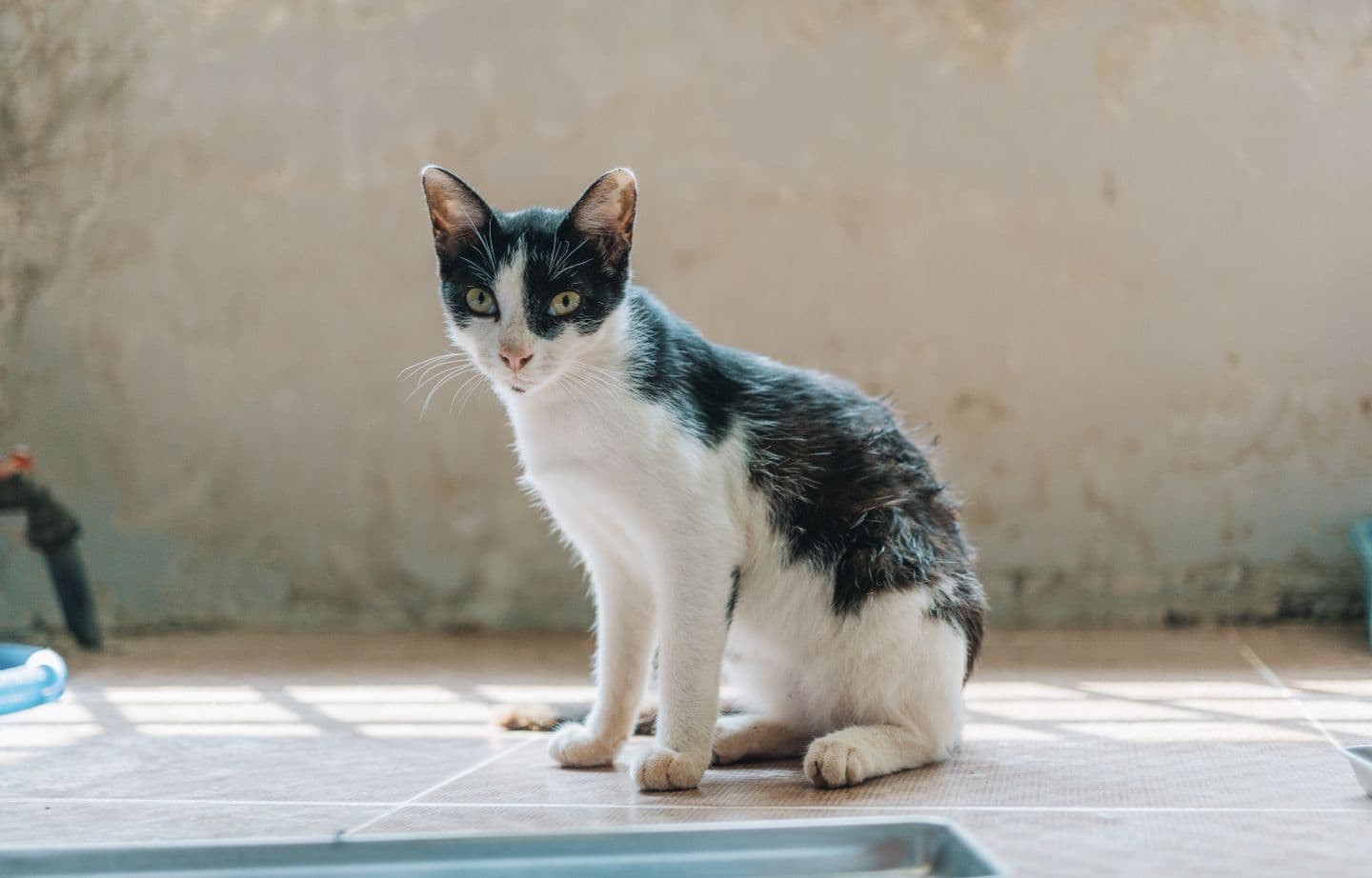
Eight Surprising Signs Your Cat Actually Adores You
Cats have an undeserved reputation for being distant. It is true they do not show affection the way dogs do, but that is simply because they are a different species with their own language for it. Onc
Rewritten from source material originally published at: rover.com/blog/does-my-cat-love-me/
Cats have an undeserved reputation for being distant. It is true they do not show affection the way dogs do, but that is simply because they are a different species with their own language for it. Once you know how to read it, the signs of feline affection are unmistakable, right down to that dead mouse left proudly on your pillow.
Purring
Purring is usually a sign of deep relaxation and contentment, though cats also purr to self-soothe or cope with fear and pain, so context is everything. A cat rubbing against you and rumbling in the morning, or kneading and purring loudly in your lap, is showing genuine attachment and comfort.
The slow blink
Closing their eyes around you is a significant act of trust for a cat, since it leaves them briefly vulnerable. A slow, deliberate blink, or eyes closing while you pet them, is one of the clearest signals of affection a cat can give.
Showing you their belly
A cat's belly is one of its most vulnerable spots, so an invitation to rub it is a genuine display of trust and comfort in your presence. Not every cat wants that belly actually touched, though; some just like showing it off. Read your own cat's cues, and back off if claws appear.
Grooming you
Cats groom the ones they are bonded to, so a lick on the hand, or even the eyebrow, is a compliment in disguise. It mingles your scent with theirs, a form of scent-sharing that builds a sense of shared community and helps cats feel at home.
Head bumps and cheek rubs
Scent communication matters enormously to cats. A headbutt, sometimes called bunting, deposits pheromones from glands on the head, marking you as safe. Cheek rubs work similarly, using scent glands near the mouth. It is sometimes described as 'marking territory,' but it is more accurately read as a sign of trust, and a way for your cat to pick up your scent in return, which helps them feel secure.
Kneading and gentle nibbles
Kneading, or 'making biscuits,' traces back to kittenhood nursing and carries over into adulthood as a sign of deep contentment. Gentle nibbles, delivered playfully, are a related expression of affection. Both can leave a mark if claws or teeth are involved, so keep nails trimmed and learn to distinguish play nips from anything more serious.
Bringing you 'gifts'
A cat that deposits a freshly caught mouse at your feet, or piles toys into your shoes, is sharing the spoils of a hunt with someone it trusts. It is not the most glamorous gesture, but it is a genuine one.
Simply hanging around
Not every cat is demonstrative, but many show love just by staying nearby. A cat that prefers company without much touching, or that would rather play fetch than snuggle, is still telling you they enjoy your presence. Companionship, on its own terms, counts as affection too.
Almost every calico cat you meet, with that distinctive patchwork of orange, black and white, will be female. This is not folklore, it comes down to genetics, and it is one of the more elegant example
A swollen eye looks alarming, and it should get your attention quickly. The eyelid, the eyeball itself, or the tissue around the eye can all swell for very different reasons, so working out which one
Most cats never need their claws trimmed at all, and clipping can even work against them, since cats rely on their claws for both defence and climbing. As cats age and become less mobile, though, claw