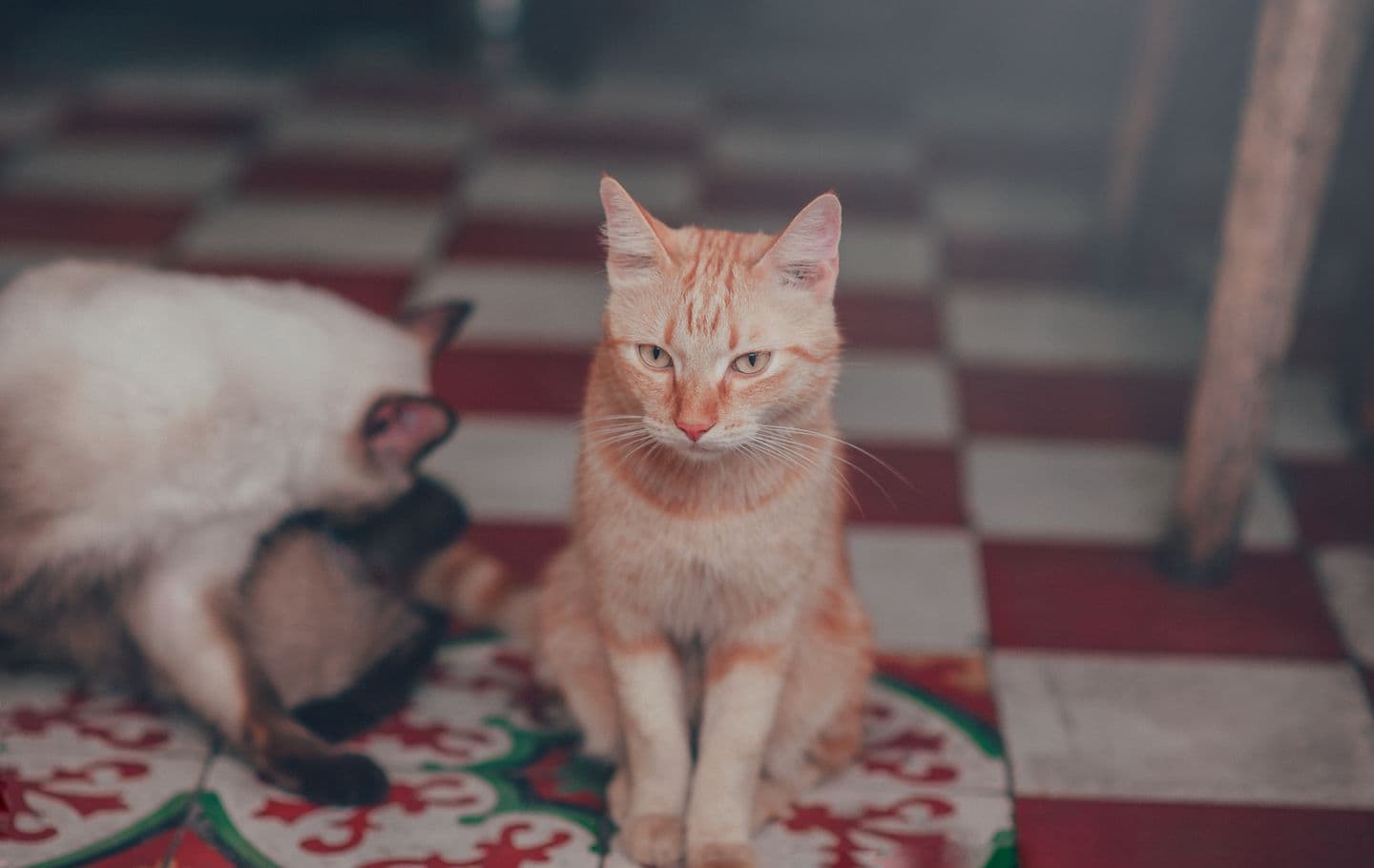
How much day-to-day care your cat needs depends heavily on its breed, coat length, age and general health. Here is a practical rundown of the areas worth keeping an eye on.
How much day-to-day care your cat needs depends heavily on its breed, coat length, age and general health. Here is a practical rundown of the areas worth keeping an eye on.
Coat and skin
Short-haired cats generally manage their own coats well, needing little help. Long-haired breeds need more support, and Persians, with their dense undercoat and long top coat, need the most, partly because their flat-faced skull shape can make self-grooming physically harder.
Keep the area under the tail clean, particularly important for heavily coated breeds like Persians, or any cat unwell with diarrhoea, since faeces can stick to the fur. Older, less flexible cats may also need help keeping this area clean.
Hairless breeds might seem to sidestep grooming entirely, but they actually need more skin care, not less. Fur serves multiple purposes for cats, warmth, skin protection, sensory input through highly sensitive hairs, waterproofing via distributed oils, and scent retention, and a cat's rough, comb-like tongue evolved specifically to maintain it. Breeding a coatless cat that still has the instinct to groom, and the tongue to do it with, is a slightly awkward mismatch. Hairless breeds are prone to rashes and fungal infections and need weekly bathing or sponging to remove oily skin secretions and stay comfortable.
Eyes
Most cats need no help here, keeping their eyes clean through regular grooming. Flat-faced breeds such as Persians and Exotics are the exception, since their unusual skull shape can block the tear ducts, causing tears to overflow, stain the face, and potentially irritate the skin. Wipe gently with a cotton wool ball dampened with water or a little baby oil, a fresh ball per eye, and dry with a soft tissue, taking great care never to touch the eyeball itself, which is painful and will make the cat wary next time.
Claws
Active, outdoor cats generally keep their own claws in good condition. Indoor-only cats often need trimming, mainly to spare the furniture, since they do not wear claws down naturally, and they will need a scratching post regardless. Older cats may lose the ability to retract their claws fully, so keep an eye out for claws catching on carpet or curving back into the paw pad.
Ears
Resist the urge to clean grubby-looking ears with a cotton bud; the ear canal lining is delicate and easily damaged. Dirt could simply be wax, but it might also be ear mites or irritation, so check with your vet, who may recommend a suitable product for the outer ear only. Hairless breeds or those with curled ears may need extra care, again best guided by your vet.
Teeth
Getting a cat used to having its teeth handled from kittenhood is genuinely useful, even though few owners keep up regular brushing in practice. If you do brush, use a brush and toothpaste made specifically for animals, never human or dog products. Cats are extremely good at hiding dental pain and may stop eating before an owner notices anything wrong; bad breath can be an early clue. Nearly three-quarters of cats over three years old have some degree of tooth or gum disease, so it is worth asking your vet to check at every visit.
Watching for the small clues
Cats hide illness remarkably well, so owners need to play detective. Subtle changes in coat condition, posture, or behaviour can all be early signals that something is off, and it is always worth checking with your vet if you are unsure.
Almost every calico cat you meet, with that distinctive patchwork of orange, black and white, will be female. This is not folklore, it comes down to genetics, and it is one of the more elegant example
A swollen eye looks alarming, and it should get your attention quickly. The eyelid, the eyeball itself, or the tissue around the eye can all swell for very different reasons, so working out which one
Most cats never need their claws trimmed at all, and clipping can even work against them, since cats rely on their claws for both defence and climbing. As cats age and become less mobile, though, claw