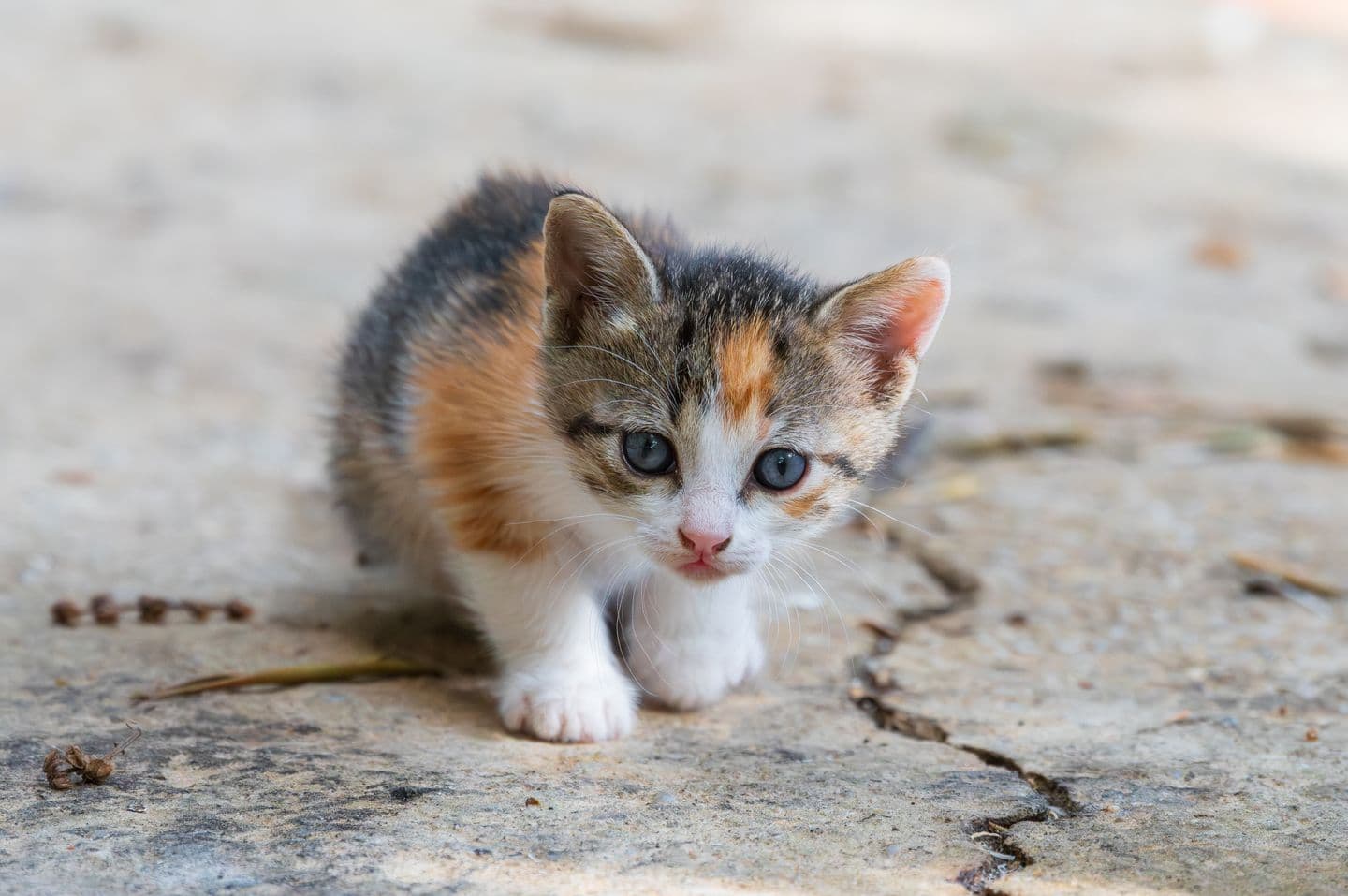
Finding a kitten a home is not the hard part. Finding a home that will actually keep, care for, and commit to that kitten for the next fifteen or more years is the real task, and it is worth doing pro
Finding a kitten a home is not the hard part. Finding a home that will actually keep, care for, and commit to that kitten for the next fifteen or more years is the real task, and it is worth doing properly rather than handing kittens over to the first person who asks.
Start with your own network
Friends, family, and colleagues you already know and trust are often the safest first option, since you have a realistic sense of their circumstances and reliability already. Word of mouth through your building, workplace, or community groups frequently works better than an anonymous online listing, particularly in Indian cities where local WhatsApp and neighbourhood groups are widely used for exactly this kind of request.
Work with rescues and shelters where possible
Established animal welfare organisations and shelters have experience screening adopters and often maintain waiting lists of people already looking to adopt. Reaching out to one, even if you are not surrendering the kitten to them directly, can connect you with vetted, serious adopters, and some are willing to help with the screening process for kittens they have not taken in themselves.
Questions worth asking any potential adopter
Have you owned a cat before, and what happened to them?
Do you rent or own your home, and does your rental agreement allow pets?
Who else lives in the household, and has everyone agreed to this?
What is your plan for vet care, vaccination, and spaying or neutering?
What would you do if your circumstances changed and you could no longer keep the kitten?
A hesitant or vague answer to that last question is often the most telling response of all. Someone genuinely committed to a lifetime with the kitten will usually say exactly that, rather than describing a backup plan for giving the kitten away.
A caution about online classifieds
General classifieds sites, where kittens sit alongside furniture and electronics for sale, attract a wider range of enquiries than a dedicated pet or rescue platform, including some people with no intention of providing a genuine home. If you do post online, prefer a dedicated pet adoption group or a well-moderated local community page over an open general marketplace, and treat any buyer who wants to collect a kitten immediately with no questions asked as a reason for more caution, not less.
Before handing over any kitten
Make sure the kitten is at least eight weeks old and has had at least their first deworming and vaccine dose, ideally arranged and paid for before adoption rather than left to the new owner to sort out.
Meet the adopter in person if at all possible, rather than arranging a handover through a stranger online with no verification.
Trust your instincts. You are not obligated to hand over a kitten to anyone simply because they asked or showed enthusiasm.
Keep the adopter's contact details, and consider a simple written note confirming the handover and any health information passed on.
A word on cost
A modest adoption contribution, covering some of the cost of vaccination and deworming already given, is common practice and tends to filter out the least serious enquiries, since someone unwilling to pay anything at all is sometimes a weaker sign of long-term commitment. This is different from selling kittens for profit, and the goal throughout should be finding the right home, not maximising what you receive for the kitten.
Almost every calico cat you meet, with that distinctive patchwork of orange, black and white, will be female. This is not folklore, it comes down to genetics, and it is one of the more elegant example
A swollen eye looks alarming, and it should get your attention quickly. The eyelid, the eyeball itself, or the tissue around the eye can all swell for very different reasons, so working out which one
Most cats never need their claws trimmed at all, and clipping can even work against them, since cats rely on their claws for both defence and climbing. As cats age and become less mobile, though, claw