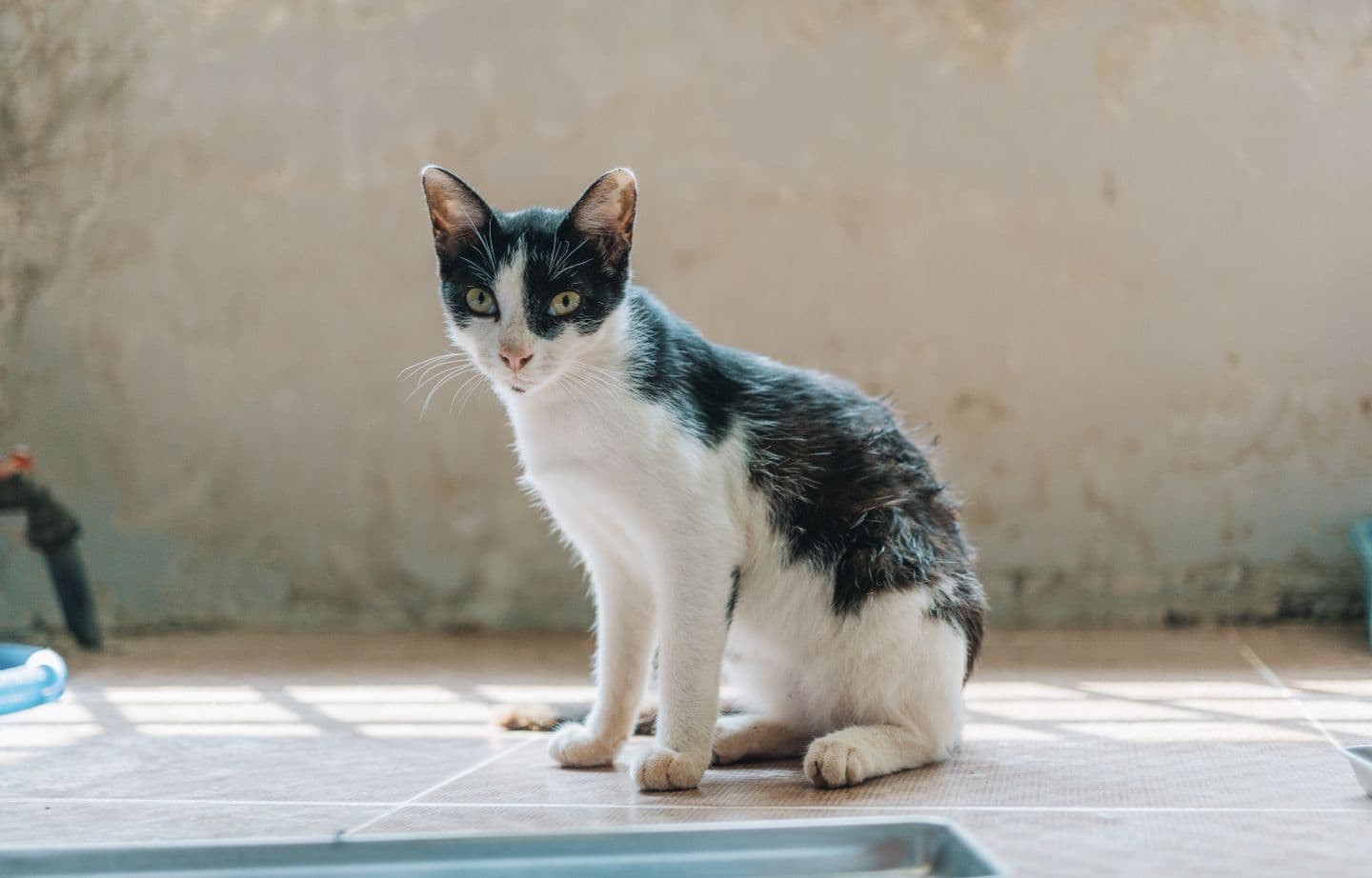
The cat flea, Ctenocephalides felis, is by far the most common flea found on cats and dogs; fleas from rabbits, hedgehogs and other animals turn up occasionally but are far less frequent. Many cats ca
The cat flea, Ctenocephalides felis, is by far the most common flea found on cats and dogs; fleas from rabbits, hedgehogs and other animals turn up occasionally but are far less frequent. Many cats carry fleas with barely any visible sign, but controlling them matters for several genuine reasons.
Fleas can carry the larval stage of the tapeworm Dipylidium caninum, which cats pick up by swallowing fleas during grooming.
Fleas can transmit other infectious agents between cats.
In young kittens, blood loss from adult fleas feeding can cause weakness, anaemia, and in severe cases, death.
Fleas spread cat-scratch disease, caused by the bacterium Bartonella henselae, both between cats and to humans.
Flea bites can trigger allergies in cats and dogs, leading to excessive scratching or skin disease.
Cat fleas can also bite humans, typically around the ankles, and the itching can be significant for sensitive people.
Modern treatments make effective flea control genuinely achievable, though a heavy infestation may take real, sustained effort to clear.
Spotting an infestation
Cats often eat fleas they find while grooming, which makes spotting live adults in the coat surprisingly hard. An itchy cat, or bites appearing on a human's ankles, may be the only clue. The most reliable method is combing thoroughly with a fine-toothed flea comb over a clean white surface; any fleas or 'flea dirt' (digested blood in the form of flea droppings) will fall onto the surface. If you see small black specks, place them on damp cotton wool: flea dirt will dissolve into reddish-brown marks, confirming fleas are present even if no live adults turn up.
The flea life cycle
Adult fleas live mostly on the host and can survive up to two years, with females starting to lay eggs within just two days of finding a home. Eggs fall off into the environment along with flea dirt, which becomes food for the larvae once they hatch, often in as little as two days. Larvae avoid light and burrow into carpets and soft furnishings, which is why they are rarely seen directly.
Larvae can develop into pupae within about a week, each sealed inside a protective cocoon. The adult flea that develops inside waits for a sign that a host is nearby, vibration, moisture, noise or carbon dioxide, and can emerge and attach within seconds once triggered, though it can also lie dormant in the cocoon for up to two years if needed. Under ideal conditions, the entire life cycle can complete in as little as 15 days, which goes a long way toward explaining how persistent flea problems can be. Effective control requires killing adult fleas on the cat while also stopping reinfestation from the environment.
Tackling fleas in the home
Frequent vacuuming reduces, though does not eliminate, fleas in the house, and vacuum bags should be disposed of immediately and carefully. Heavily infested bedding is often best thrown away entirely. From there, a combined approach works best: treat every pet in the household with a cat-specific insecticide (never a dog product, some of which are dangerously toxic to cats), and treat the house itself, including soft furnishings, carpets, and gaps between floorboards, ideally after vacuuming. Cocoons are particularly resistant to treatment, so repeat applications on both pets and the home are often needed for full control. Products containing insect development inhibitors can help stop immature fleas maturing, but only work if every animal in the household is treated. Always follow your vet's guidance closely; full control can realistically take several weeks or even months.
Flea treatments for cats
The range of products available from vets, pet shops and supermarkets varies enormously in composition, effectiveness and safety, and older products are often less effective or less safe than newer options. Talking to your vet first is genuinely worthwhile, since they have access to the most reliable and safest products. Never use a dog flea product on a cat: some contain permethrin, which can be lethal to cats.
Spot-on treatments — applied to the skin, usually at the back of the neck, and available in a wide range of formulations; some kill adult fleas, some interrupt flea development, and some do both. Effectiveness varies significantly by product, so vet advice is worthwhile.
Tablets — a convenient alternative for some owners, but should always be a product specifically licensed for cats and recommended by a vet.
Powders — generally only effective while they remain on the coat and not considered a strong option; not recommended by International Cat Care given safer, more effective alternatives exist.
Collars — insecticidal collars containing ingredients such as permethrin, pyrethroids, organophosphates or methoprene are generally not very effective, can irritate the skin, and pose an injury risk without a safety snap-open mechanism, though some newer vet-only collars are more effective and safer; International Cat Care does not recommend collars unless specifically vet-advised.
Aerosol sprays — often frightening for cats because of the hissing noise, and frequently rely on older, less effective ingredients; not generally recommended.
Pump-action sprays — a gentler alternative to aerosols, since the pump mechanism causes less distress.
Injectable or oral growth regulators — can prevent immature fleas developing, but should always be paired with a product that kills adult fleas too.
Always check that any product is safe for kittens, pregnant cats, or nursing cats if it applies.
Treating the home environment
Environmental sprays containing insecticides, sometimes combined with a growth regulator, can be effective, but should never be used near a fish tank without covering it with damp towels first, since some contain fish-toxic ingredients. A single application can last six months to a year depending on the product. Foggers and bombs are generally less effective, since they may not reach specific infested areas the way a targeted spray can.
'Natural' remedies such as eucalyptus, neem, pennyroyal, tea tree, citrus oil or D-limonene are sometimes claimed to repel or kill fleas, but most have not been through the rigorous safety and efficacy testing that licensed veterinary products undergo, some are potentially toxic to cats, and none are likely to match a licensed product's effectiveness. It is best not to rely on these without veterinary advice.
Using treatments safely
Never use a dog flea product on a cat, and be aware that even indirect contact with a recently treated dog can expose a cat to enough permethrin to be fatal. Household pesticides such as wood treatments or insect killers can contain similar active ingredients, so limit a treated cat's exposure to these too. Always read the small print and keep the package insert; if your cat becomes unwell after treatment, bring the insert to the vet, and when in doubt, call your vet before applying anything.
Long-term control
Once a home is genuinely flea-free, an indoor-only household may need no further treatment. Cats that go outdoors will likely need ongoing prevention, usually a single product applied regularly, to avoid reinfestation. Treating only intermittently is not recommended, since it creates ideal conditions for flea allergy skin disease to develop and will not deliver reliable control.
Almost every calico cat you meet, with that distinctive patchwork of orange, black and white, will be female. This is not folklore, it comes down to genetics, and it is one of the more elegant example
A swollen eye looks alarming, and it should get your attention quickly. The eyelid, the eyeball itself, or the tissue around the eye can all swell for very different reasons, so working out which one
Most cats never need their claws trimmed at all, and clipping can even work against them, since cats rely on their claws for both defence and climbing. As cats age and become less mobile, though, claw