Rewritten from source material originally published at: icatcare.org/advice/helping-your-new-cat-or-kitten-settle-in/
Settling in a new kitten
Arriving in a brand-new home is a big adjustment for a small kitten, and every one of them will handle it differently depending on their personality. Whether shy or confident, most kittens find the move at least a little unsettling, since they are leaving their mother and littermates behind for the first time.
It helps to set aside one room for the first few weeks so your kitten can adjust gradually, which also supports toilet training and limits the risk of accidents elsewhere in the house. When choosing and preparing that room, keep the following in mind:
Avoid full-length curtains at first, since kittens will climb them and perch at the top.
Check for hazards such as open fireplaces or poisonous plants, and remember kittens can squeeze into very small spaces.
Keep hazardous substances and the cupboards holding them well out of reach.
Clear breakable items from shelves and windowsills, and secure cupboard doors.
Make sure windows are securely fastened.
Position the litter tray discreetly, with the food bowl in the opposite corner, and the water bowl kept away from both.
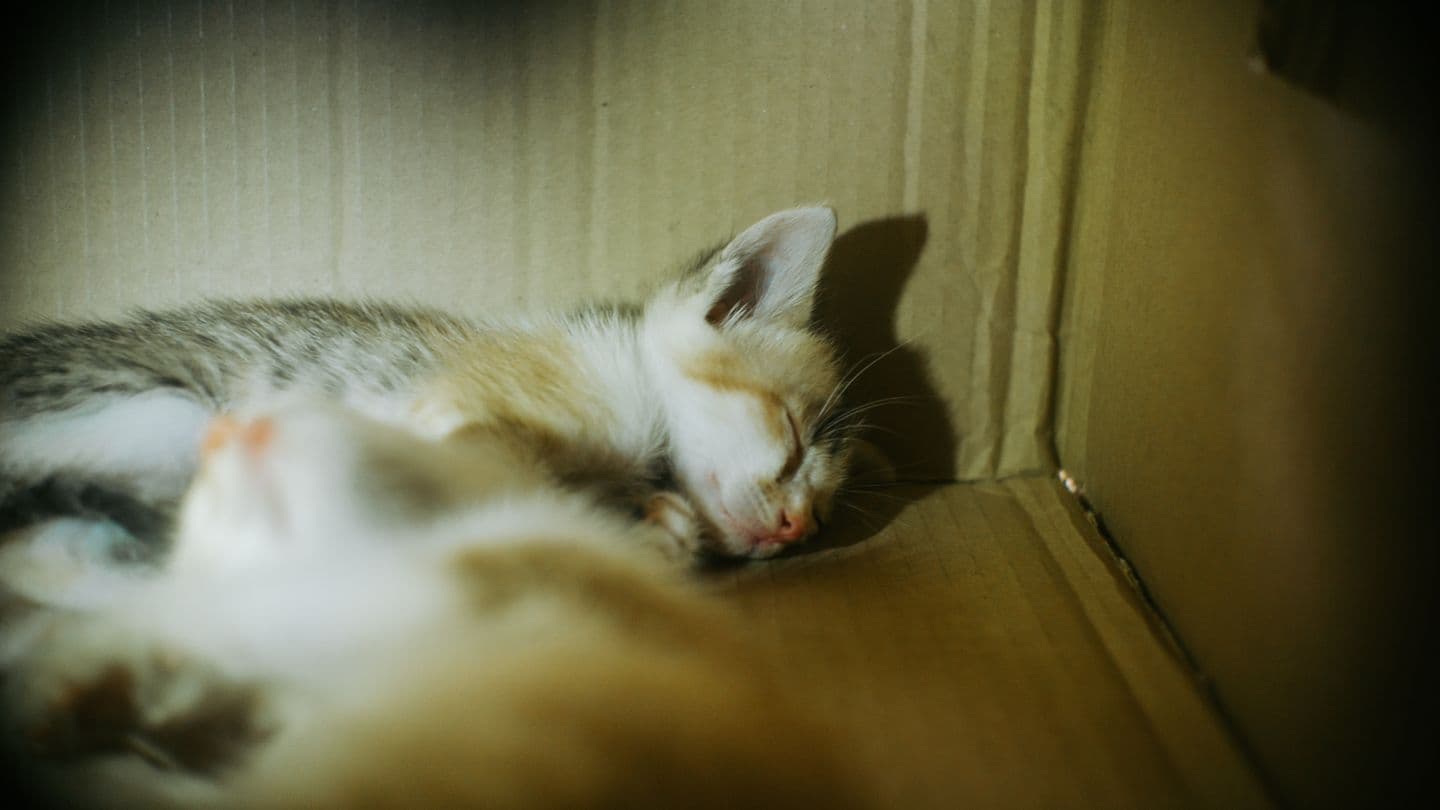
Add a cardboard box on its side with a fleecy blanket inside as a hiding spot.
Set up a padded, washable bed in a quiet spot away from food, water, and the litter tray.
Provide a kitten-sized scratching post, and expect to upgrade to a taller one as they grow.
Have a few toys ready, but never leave string-based toys out unsupervised, as they pose a real risk to kittens.
A kitten pen (or a large dog crate of similar design) can also be a genuinely useful investment. It gives a kitten a self-contained space with room for a bed, toys, food, water, and a litter tray, and it can be moved from room to room as your kitten settles in and becomes part of the household's daily rhythm. It also gives you somewhere safe to leave a kitten overnight or when you cannot supervise them directly.
The first few days
Bring your kitten home with a piece of familiar bedding; it gives them one recognisable object amid a lot of newness. The first twenty-four hours should be kept calm, and it is worth asking any children in the house to give the kitten space during this period. Have the room fully prepared in advance, then set the carrier down gently, open it, and let your kitten explore in their own time; there is a lot to take in for the first time, so patience matters here.
Put food, water, and a freshly prepared litter tray in the room so your kitten learns to recognise it as their own den. Once they have found all three, it is fine to leave the room for a while; do not worry if they show little interest in food to begin with. Keeping the same litter material your kitten used previously helps during this settling period, with any changes introduced gradually once they are fully at ease.
Young kittens need plenty of sleep, punctuated by bursts of energetic activity, and a fondness for climbing that means you will likely need to rescue them from somewhere, since getting up is always easier than coming back down. Building a bond takes time and should happen on the kitten's terms: interact when they seem naturally alert and responsive, never wake them for play, and back off if they seem anxious or disinterested rather than pushing the relationship along. Sitting on the floor at their level, rather than crowding them from above, and having family members visit one at a time rather than all at once, tends to work best.
In the first couple of days, let the kitten initiate handling. After the first forty-eight hours, short, frequent periods of handling throughout the day work better than one long stretch of continuous contact. If you have young children, supervised and limited contact at first prevents the kitten from being over-handled.
At this stage, kittens need uninterrupted rest, so if you are using a kitten pen, feel free to cover or put it away for quiet periods. Their stomachs are tiny too, so four to six small meals spread through the day works better than fewer larger ones. Introductions to other cats or dogs in the household should never be rushed; this deserves careful, gradual handling in its own right.
It is worth setting the routine you intend to keep long-term from day one. Many owners feel a new kitten should sleep close to them at night, but this can create a habit of nighttime play and disrupted sleep for everyone. Cats are naturally more active at dawn and dusk, but kittens adapt fairly readily to your household's rhythm. A cosy, secure sleeping spot, a kitten cage works well, set up until morning is perfectly kind, provided the bed itself has high sides to block draughts, a low front for easy access, and thick, thermal bedding to keep them warm.
Feeding a new kitten
Stick with the food your kitten is already used to at first; a sudden diet change on top of the stress of a new home can easily upset their stomach. If you do want to switch foods, do it gradually by mixing the new food in with the old. Kittens have small stomachs and need frequent, small meals, much like human babies. A good-quality commercial kitten food, formulated for their different nutritional needs compared with adult cats, is far more practical than trying to build a balanced homemade diet, and frees up your time for playing instead. Always check whether the food is labelled 'complete,' meaning it meets all their needs alone, or 'complementary,' meaning it needs to be paired with other food.
As a feeding guide, kittens aged eight to twelve weeks need around four meals a day, three to six months old need three meals, and kittens past six months can move to two. Some owners also leave dry food available on an ad-lib basis, depending on lifestyle and any other cats in the house with their own routines. Never give a kitten cow's milk, since it commonly causes diarrhoea; if you want to offer milk, choose one formulated specifically for cats. Diarrhoea lasting more than twenty-four hours needs a vet's attention, and fresh drinking water should always be available.
Toilet training
Kittens usually pick up litter tray habits by copying their mother, so in most cases you just need to show your new kitten where the tray is. Placing them on it after waking or after meals, or when you notice sniffing, scratching, or crouching, reinforces the habit. If using a kitten pen, the tray can go inside it; otherwise, choose a quiet, accessible corner, kept well away from food and water, since a kitten may avoid a tray placed too close to where they eat.
Going outside
Because of infection risks from illnesses such as enteritis or cat flu, kittens should stay indoors until at least a week after completing their first course of vaccinations, generally around thirteen to fourteen weeks old depending on the vaccine used. From there, supervised exploration outside can begin. Before allowing free access outdoors, make sure your kitten has been neutered (usually around four months), is fully vaccinated, and is thoroughly settled into the household.
Identification
Make sure your cat can be identified if they ever become lost or injured away from home. Microchipping offers the most reliable permanent identification, and some owners add a collar once their kitten is over six months old, whether for identification or to carry a magnetic key for an electronic cat flap; a collar is never worth adding purely for appearances. Because kittens grow quickly, check the fit regularly, aiming to fit one or two fingers comfortably underneath, and adjust the size as needed.
Keeping kittens entertained
Kittens are naturally playful and do not need expensive toys to stay occupied; even a cardboard box will do. Play is also a great way to build trust between you, and a scratching post is a worthwhile addition from the start.
Grooming from an early age
Getting a kitten used to grooming early pays off, especially for long-haired breeds that need daily attention to stay tangle-free. Regular brushing removes loose hair that would otherwise contribute to hairballs, and most cats come to enjoy it once they are used to it. It also gives you a regular chance to check on their health and deepen your bond, provided the sessions stay gentle and rewarding.
The first health check
A new kitten should have a check-up with a vet soon after arriving. This is the opportunity to sort out vaccinations and get guidance on flea treatment, worming, neutering, microchipping, and general ongoing care.
Settling in an adult cat
Preparation matters just as much here: have the litter tray, food and water bowls, scratching post, and bedding ready in advance. It is wise to keep a newly arrived adult cat indoors for two to three weeks so they fully acclimatise and are less likely to panic and try to find their way back to a previous home.
For a cat adopted from a rescue centre, this period of confinement can understandably bring some anxiety. If they retreat to a hiding spot, the best approach is usually to let them be and go about your business, allowing them to decide when it feels safe to come out. It is not unusual for a newly arrived cat to eat or use the litter tray only late at night for the first few days, or even longer if they are especially shy, and in genuinely anxious cases a cat might avoid both for the first twenty-four hours. This is best handled by keeping fresh food down, checking the tray regularly, and letting things settle naturally; if it continues beyond that window, a vet visit is sensible.
The settling-in process mirrors that for kittens over the first day or two. If an adult cat seems confident and eager to explore, there is no strict need to confine them to a single room, though letting them take on one room at a time is often still wise. This period is really about learning your new cat's personality; not every cat wants the same kind of contact, so reading body language and recognising signs of stress helps you get the relationship off to the right start. A cat that reacts aggressively when approached is telling you it feels scared or unsure, not that it is unfriendly, and would rather meet you on its own terms. Patience matters here, some cats take several weeks to feel properly at home.
If you already have a resident cat, take the introduction slowly; it is one of the more important steps to get right. And as with kittens, it is best to keep a newly arrived adult cat indoors for around two weeks so they bond to their new territory before being given access outside.
Almost every calico cat you meet, with that distinctive patchwork of orange, black and white, will be female. This is not folklore, it comes down to genetics, and it is one of the more elegant example
A swollen eye looks alarming, and it should get your attention quickly. The eyelid, the eyeball itself, or the tissue around the eye can all swell for very different reasons, so working out which one
Most cats never need their claws trimmed at all, and clipping can even work against them, since cats rely on their claws for both defence and climbing. As cats age and become less mobile, though, claw