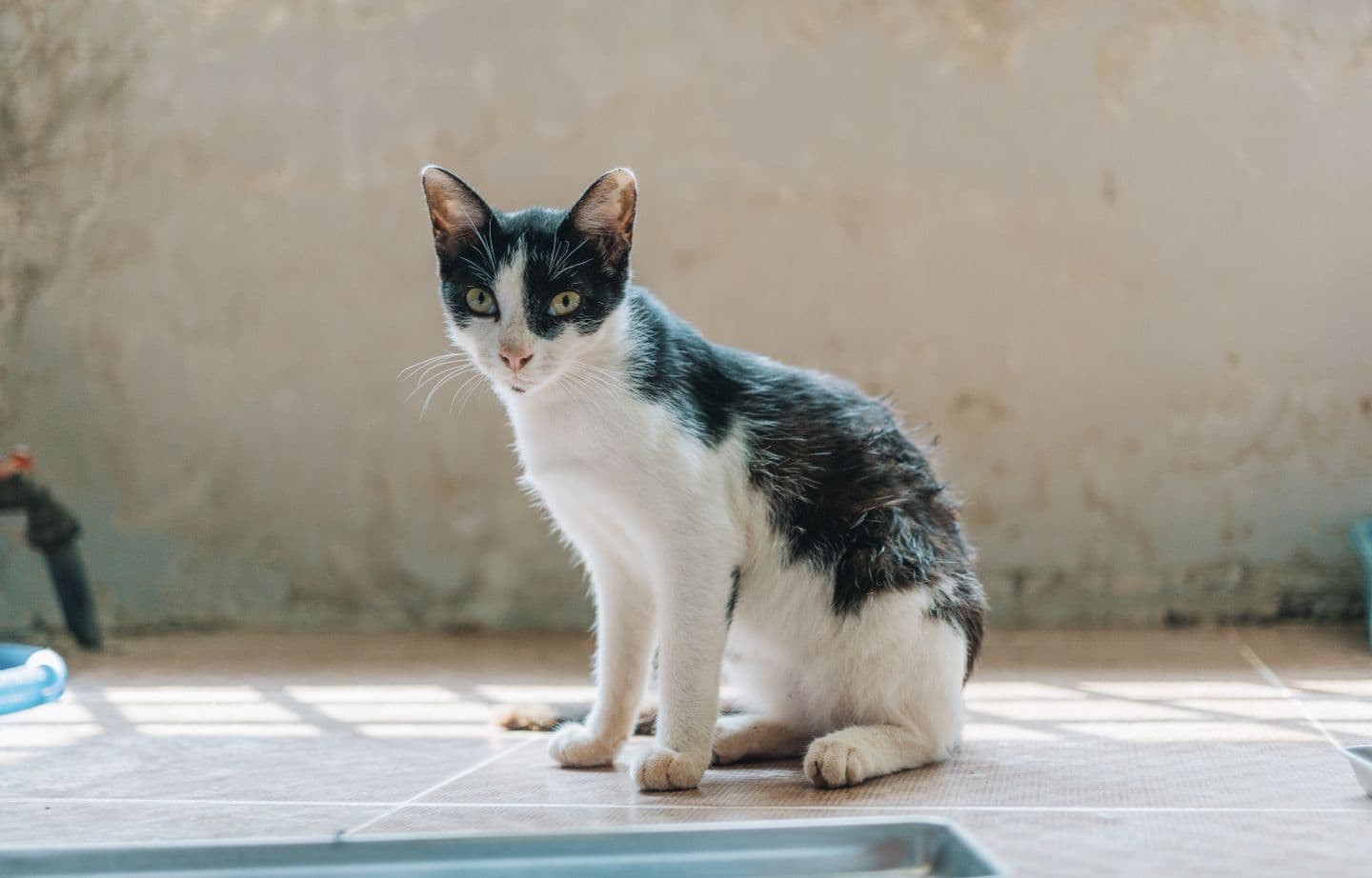
Introducing Cats and Children Into the Same Household
There's no reason a family with children can't also have a cat. It's up to parents to teach children, right from the start, how to approach, handle and treat cats with kindness — and done well, this l
There's no reason a family with children can't also have a cat. It's up to parents to teach children, right from the start, how to approach, handle and treat cats with kindness — and done well, this leads to genuinely wonderful relationships where children also learn real lessons about respect and gentleness towards other living creatures. That said, bringing a new kitten in alongside a new baby or toddler can be a lot to juggle at once, so it's worth being honest about whether everyone in the household has the time and attention to spare.
Setting Realistic Expectations
However many promises children make beforehand, the bulk of day-to-day care will fall to the parents. A new cat or kitten needs real commitment, especially early on, so it helps if the whole family plays some role, even if that's just committing to regular playtime.
Not every cat is naturally suited to a busy family home — some individuals are simply more tolerant and family-friendly than others. Ideally you want a confident, well-socialised cat with a high tolerance for handling and affection. Even so, it remains the parents' job to teach children how to approach and interact with a cat appropriately, how to read the signs that a cat has had enough, and to always respect a cat's need for time alone. In households with particularly boisterous children, it may be worth holding off on a pet altogether for now, and nervous or timid cats generally don't cope well in lively family environments.
Some rehoming centres are cautious about placing cats with young children, given the noise and unpredictable handling involved, though others assess each case individually and try to match the right cat to the right family. It's worth trying several rescue organisations if you hit a blanket "no children" policy at one. If you're set on a pedigree kitten, look into which breeds tend to be more tolerant of handling.
House Rules Before the Cat Arrives
Settling these in advance makes the transition smoother for everyone:
Who's responsible for which chores — feeding, litter tray cleaning, and so on?
Where will the cat sleep? (The bedroom is often tempting, but best avoided if a child has allergies.)
Which rooms, if any, are off-limits to the cat?
How much attention is appropriate while the cat is settling in?
Which spaces belong to the cat alone, where children shouldn't interrupt — litter trays and various resting spots like boxes or high platforms are good candidates.
It's also worth registering with a local vet before the cat arrives, since kittens and cats need regular worm and flea treatment, which matters for family health too (older cats are generally considered lower-risk for disease transmission, which is worth factoring in if young children are involved).
The First Few Weeks
Set your new cat up in a quiet room, away from the kitchen, stocked with food, water, comfortable resting spots, elevated perches, hiding places and a litter tray. Letting them settle here for the first few days helps enormously. Everyone in the household should understand the importance of keeping doors and windows closed during this period.
Your cat will need genuine escape routes from excitable children — shelving, tall activity centres, wardrobe tops, boxes and under-bed spaces all work well. This is also the moment to reinforce everything you've already taught your children about gentle handling: cats need support under both the front and hind legs when picked up, and only children strong enough to support the cat's full weight should attempt it, always supervised for younger kids. Handling should generally be reserved for kittens or particularly sociable, tolerant adult cats who genuinely enjoy it.
Toddlers, in particular, are hard to manage around cats — the instinct to squeal, chase and grab is strong, which makes those escape routes essential. Baby gates that block stairs or room access can be a real asset here, giving your cat somewhere to retreat where they can't be followed. It's especially important to designate at least one cat-only "safe room" that children can't access, for moments when things feel overwhelming.
Extra Considerations for Younger Children
Keep litter trays, food and water bowls in areas children can't reach, since these tend to be irresistibly interesting to little ones.
Reward your cat with treats for tolerating a child's attention, to keep the experience positive on their end too.
Let older children help feed treats, building a positive association between themselves and the cat.
Wand and rod toys let children engage in play without direct handling, which works especially well for cats who aren't keen on being picked up, while still helping the cat form a good impression of the kids in the house.
Almost every calico cat you meet, with that distinctive patchwork of orange, black and white, will be female. This is not folklore, it comes down to genetics, and it is one of the more elegant example
A swollen eye looks alarming, and it should get your attention quickly. The eyelid, the eyeball itself, or the tissue around the eye can all swell for very different reasons, so working out which one
Most cats never need their claws trimmed at all, and clipping can even work against them, since cats rely on their claws for both defence and climbing. As cats age and become less mobile, though, claw