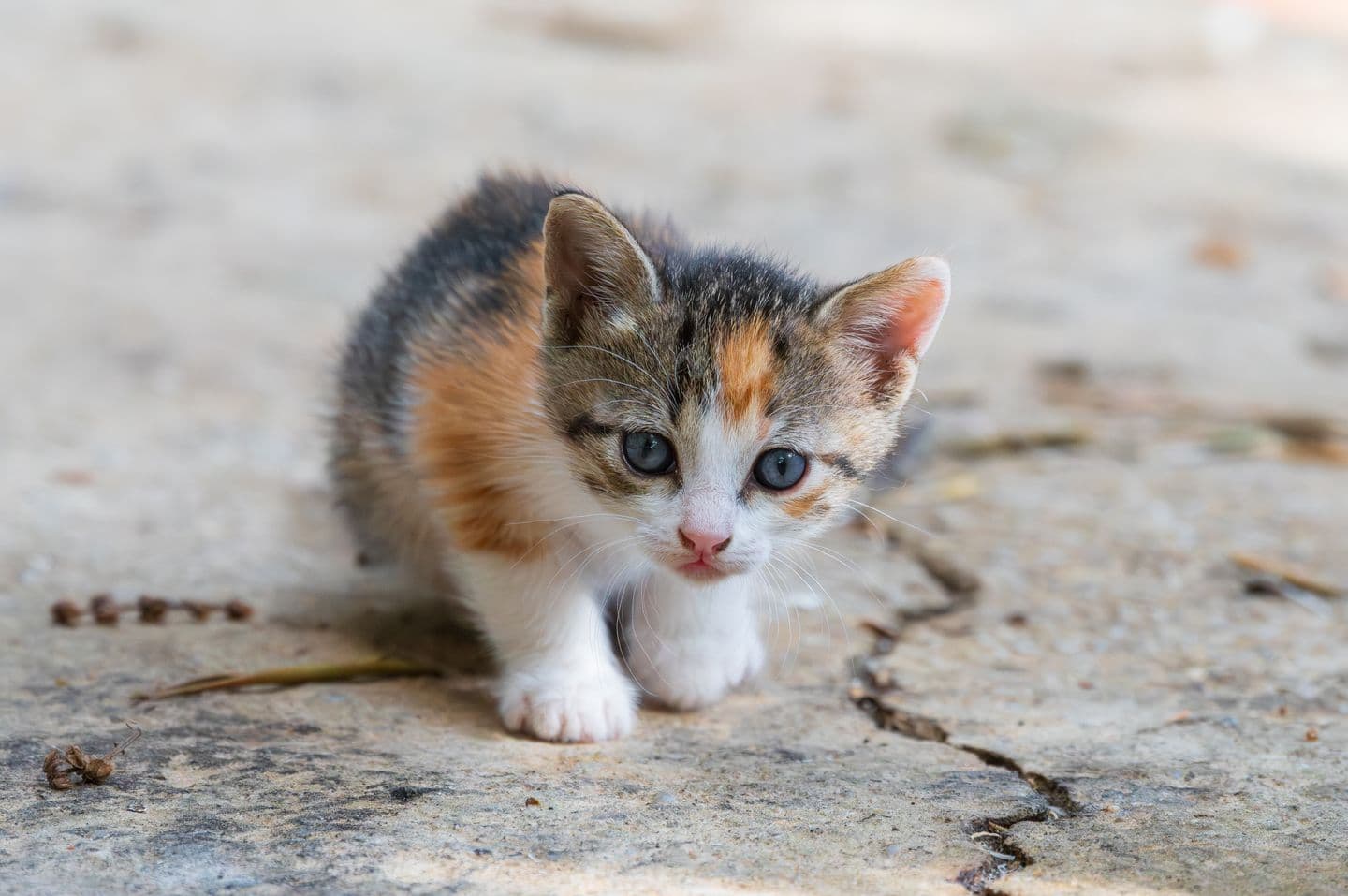
Kitten Transformation: From a 6-Month-Old Kitten to a 1-Year-Old Cat
The six months between kittenhood and full adulthood pass quickly, and the cat who curls up in your lap at their first birthday often looks and behaves almost nothing like the tiny, wobbly ball of ene
The six months between kittenhood and full adulthood pass quickly, and the cat who curls up in your lap at their first birthday often looks and behaves almost nothing like the tiny, wobbly ball of energy you brought home. Knowing what to expect during this stretch helps you adjust food, play and vet care at the right moments instead of guessing.
Physical changes
By six months, most kittens already have their full set of adult teeth, having lost their baby teeth between three and six months. Skeletal growth then continues more slowly, and most cats reach their full adult size somewhere between 12 and 18 months, with the growth plates in different bones finishing at slightly different times rather than all at once. Larger breeds, such as Maine Coons, are on the slower end of this range. Coat texture often changes too, becoming denser and less fluffy as the adult coat comes in fully, usually somewhere between six months and a year depending on breed. Eye colour, if it is still going to shift from kitten blue, has usually settled into its permanent adult shade by around three to four months, so by six months this is one change you have already seen play out.
Weight and body condition
Most domestic cats settle into an adult weight of roughly 3 to 5 kilograms, though this varies by breed and frame size. Rather than fixating on a number, get into the habit of checking body condition by feel: you should be able to feel the ribs easily under a light layer of fat, and see a visible waist when looking down at your cat from above. This is a more reliable guide than the bathroom scale, and it is worth learning to check now, since weight creep in the first two years is one of the most common and most preventable health issues in adult cats.
Behavioural changes
The reckless, everything-is-a-toy phase of early kittenhood gradually gives way to a more selective, confident adult personality. Play becomes more purposeful and less constant. If your kitten is not spayed or neutered, six months onward is also when sexual maturity begins, which can bring spraying, yowling, or a strong urge to escape outdoors in search of a mate. This is one of the clearest reasons Indian vets recommend spaying or neutering around five to six months, before these habits set in.
Diet transition
Kitten food is calorie-dense to support rapid growth, and continuing it well past the growth phase is one of the more common causes of adult cat obesity. Most cats can move to adult food around twelve months old, though some vets suggest starting the transition gradually from ten months. Make the switch over seven to ten days, mixing increasing amounts of adult food into the kitten food, to avoid an upset stomach.
Vet milestones to plan for
Final kitten vaccine booster, usually completed by 16 weeks, should already be behind you by six months, with the first adult booster due around a year old.
Spaying or neutering, typically done between five and six months in India, ideally before your first birthday deadline arrives.
A weight check around the one-year mark, to confirm your cat has settled into a healthy adult weight rather than carrying over kitten-stage portions.
Microchipping, often done at the same time as spaying or neutering since the cat is already under anaesthesia. This is increasingly common and affordable at Indian clinics and is worth doing before your cat starts going out on a balcony or terrace unsupervised.
None of these changes happen on a fixed date. Breed, sex, neuter status and individual genetics all shift the timeline slightly. Treat the milestones above as a loose map rather than a strict schedule, and let your vet's hands-on assessment be the final word.
Almost every calico cat you meet, with that distinctive patchwork of orange, black and white, will be female. This is not folklore, it comes down to genetics, and it is one of the more elegant example
A swollen eye looks alarming, and it should get your attention quickly. The eyelid, the eyeball itself, or the tissue around the eye can all swell for very different reasons, so working out which one
Most cats never need their claws trimmed at all, and clipping can even work against them, since cats rely on their claws for both defence and climbing. As cats age and become less mobile, though, claw