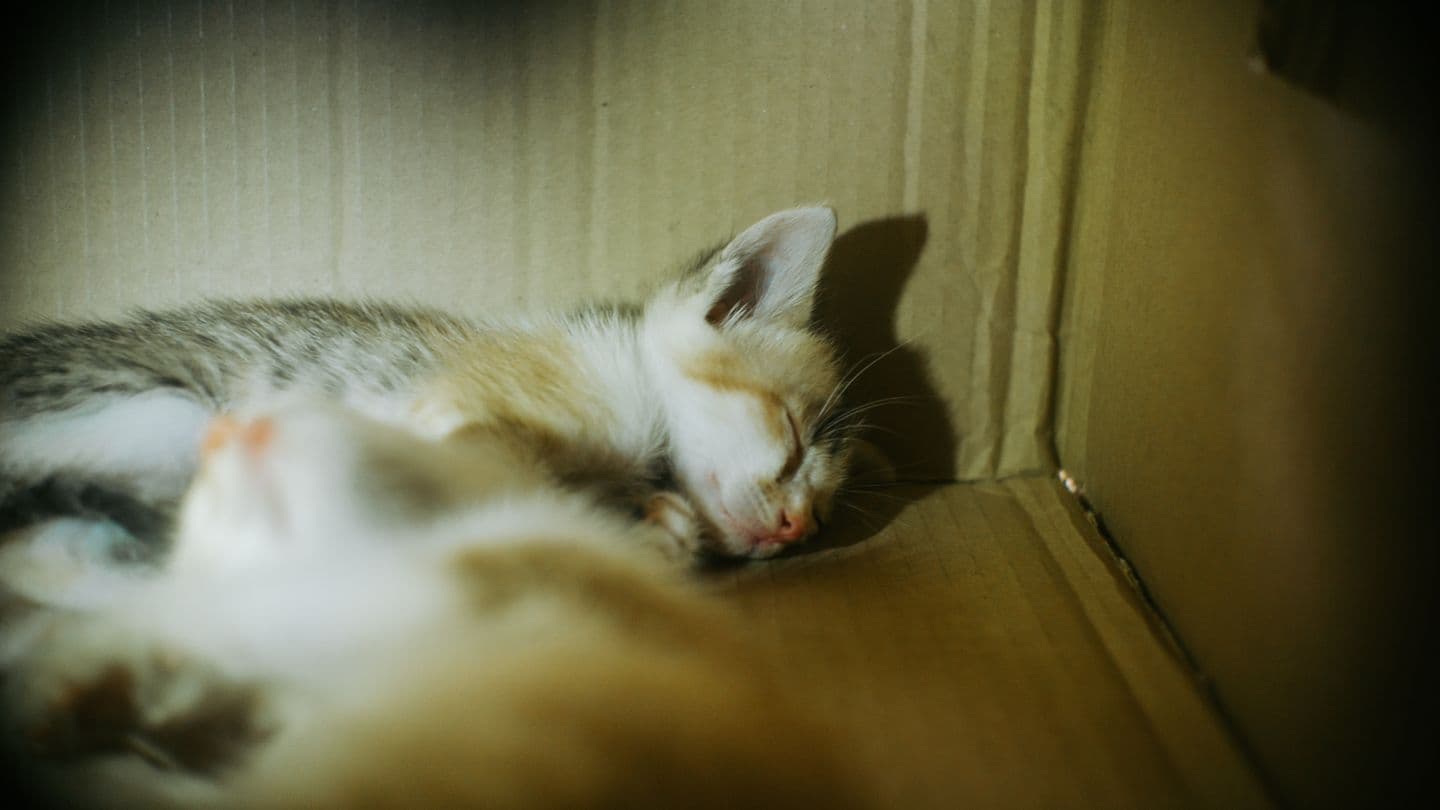
Getting properly set up before a new kitten arrives makes a real difference to how quickly it settles into its new home. Here’s what’s worth having ready in advance.
Getting properly set up before a new kitten arrives makes a real difference to how quickly it settles into its new home. Here’s what’s worth having ready in advance.
1. Food and water bowls. Shallow bowls help a kitten quickly learn where to find food and water. Keep them in the same spot every day to build the habit, and a mat underneath is a good idea too, kittens can be surprisingly messy eaters.
2. Food, wet or dry. Choose something your kitten actually enjoys, if the first option doesn’t go down well, try a different flavour or brand. There’s plenty of choice available in pet stores, and your vet can always advise if you’re unsure.
3. Litter box and scoop. Keep the tray in a consistent spot so your kitten learns to associate it with a particular room. Kittens have a natural instinct to seek out litter, so they’ll generally find it on their own once it’s in place.
4. Kitty litter. Clumping litter tends to be the easiest to keep clean, and comes in scented or unscented varieties depending on preference. Cheaper litter isn’t always the bargain it seems, you may end up using considerably more of it.
5. Kitten collar. If you choose to use a collar, look for a breakaway design in case it snags, and adjustable straps so it continues to fit as your kitten grows. Don’t be surprised if it takes a little time for your kitten to get used to wearing one.
6. ID tag with your phone number. Should your kitten ever get out, a tag with a name and contact number greatly improves the odds of a safe return, available from most pet stores. Microchipping is worth considering too, as a backup in case a collar comes off.
7. Hard plastic carrier. Essential for safe travel to the vet, a cattery, or anywhere else. Transporting a kitten loose in a car, or in an open box, isn’t safe, a kitten has no concept of needing to sit still while you drive, and treats every trip as an opportunity to play.
8. Cat toys. Kittens are naturally playful and need a variety of things to chase and pounce on, balls, feathers, and similar toys all work well.
9. Scratching post. A dedicated post gives your kitten somewhere appropriate to sharpen its claws, without one, your furniture will likely become the target instead.
10. A budget. Factor in ongoing costs, food, litter, and potential vet bills, along with any adoption fee if your kitten is coming from a shelter.
With all of this sorted and budgeted for, you’ll be properly set up to enjoy life with your new kitten.
Almost every calico cat you meet, with that distinctive patchwork of orange, black and white, will be female. This is not folklore, it comes down to genetics, and it is one of the more elegant example
A swollen eye looks alarming, and it should get your attention quickly. The eyelid, the eyeball itself, or the tissue around the eye can all swell for very different reasons, so working out which one
Most cats never need their claws trimmed at all, and clipping can even work against them, since cats rely on their claws for both defence and climbing. As cats age and become less mobile, though, claw