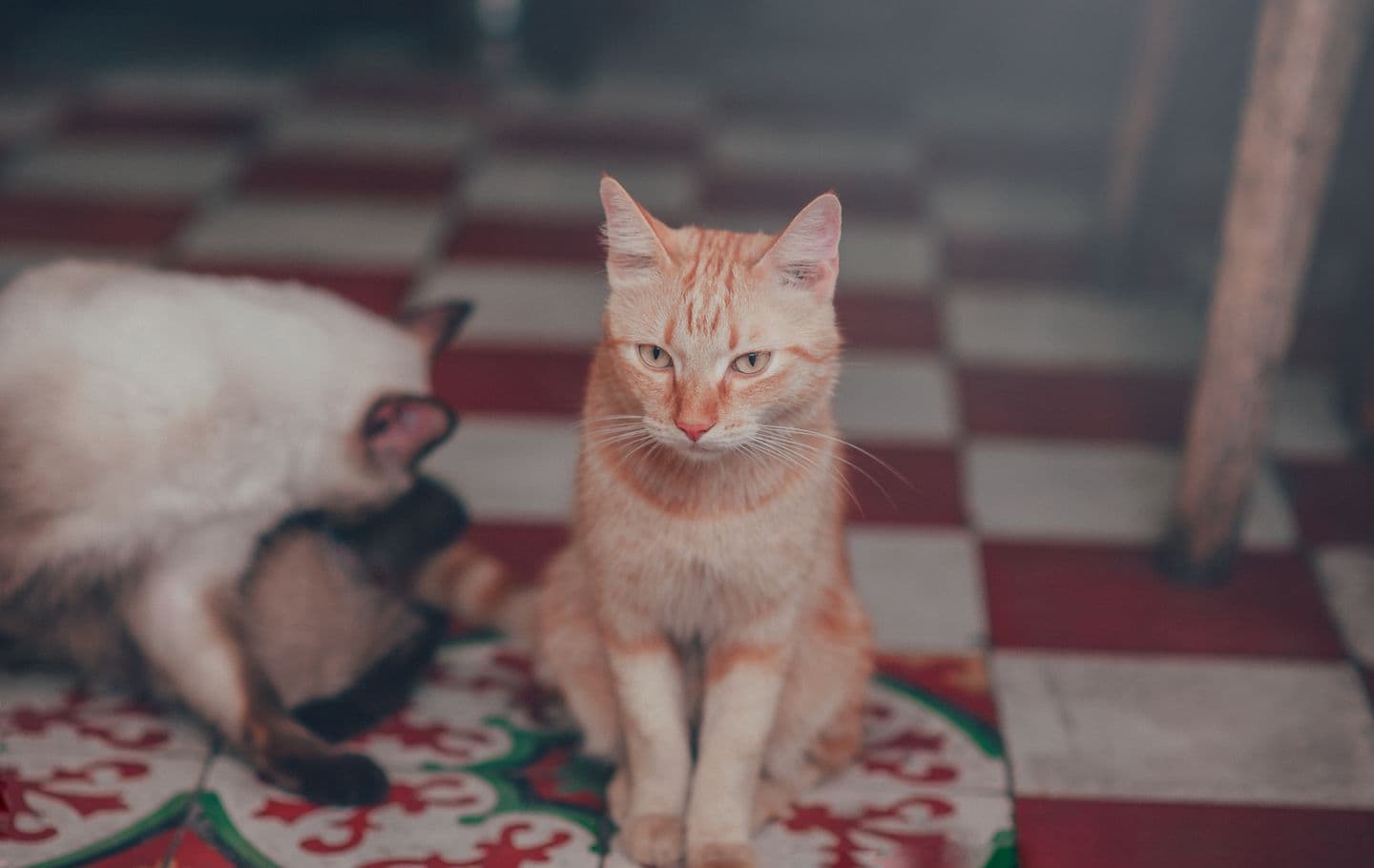
Nine Signs Your Cat Might Not Be Feeling Their Best
Cats experience a genuine range of emotions, and like the rest of us, they have their off days. They cannot tell you outright that something is wrong, but their behaviour usually will, once you know w
Rewritten from source material originally published at: rover.com/blog/warning-signs-of-unhappy-cat/
Cats experience a genuine range of emotions, and like the rest of us, they have their off days. They cannot tell you outright that something is wrong, but their behaviour usually will, once you know what to look for. Because what counts as 'normal' varies from cat to cat, watch for changes against your own cat's usual patterns rather than comparing them to some universal standard. Family members and cat sitters can be useful extra sets of eyes here.
It is worth remembering that many of these same signs can also point to a physical illness, so ruling out injury or disease with a vet visit is always a sensible first step before assuming the cause is purely emotional.
1. Hiding more than usual
Occasional hiding is normal, but a cat that becomes noticeably more reclusive may be feeling low. Unhappy cats tend to be more fearful and retreat to soothe themselves, and hiding can also signal a loss of interest in things they usually enjoy, from toys to cuddling.
2. A change in sleep patterns
Cats sleep a lot, typically twelve to sixteen hours a day, so heavy sleeping alone is not necessarily a red flag. A noticeable shift, sleeping much more or much less than usual, or suddenly abandoning a favourite napping spot, is worth paying attention to.
3. Different vocalisations
A low, mournful yowl can be a cat's way of expressing distress. Interestingly, excessive purring can also be a warning sign rather than a happy one, since cats sometimes purr more when trying to comfort themselves through discomfort.
4. Body language shifts
Ears pinned back, fur standing on end, or a tail held low instead of high are all signs a cat is not at ease. It is normal for cats to tense briefly during play, but a content cat relaxes again afterwards; one that stays tense is telling you something. As one veterinarian has put it, if a cat seems on edge more than occasionally, it is worth looking at their environment through the cat's eyes.
5. Appetite changes
Just as with people, low mood can affect a cat's interest in food. An unhappy cat may go off their food, even ignoring favourite treats, though some cats swing the other way and overeat as a form of self-soothing. Either direction of change is worth noticing.
6. Increased aggression
Aggression is not purely a reaction to real threats; it can reflect an underlying mood as well. Unhappy cats tend to perceive more things as threatening, whether or not they actually are, and lash out more readily as a result.
7. Over- or under-grooming
Grooming habits often shift when a cat is struggling emotionally, either ramping up dramatically, sometimes to the point of bald patches, or dropping off almost entirely, leaving the coat looking unkempt. A vet visit can help get grooming habits back on track.
8. Spraying
Spraying can look like rebellion but is often a self-soothing behaviour, surrounding the cat with its own reassuring scent when it feels anxious. It often flares up around a specific stressor, for instance, a cat may spray in an area that still carries the scent of a person or pet who is no longer around, as a way of coping with the loss.
9. Losing interest in normal activities
A cat that stops engaging with toys or with you may simply be running low on energy in a way that reflects mood rather than tiredness. Wanting some solitude now and then is normal; a significant, sustained shift away from a cat's usual level of engagement is the signal to watch for.
Cats are often described as mysterious, but they are communicating constantly, just not in words. A meaningful change in any of these areas is worth a vet visit to rule out physical causes, and often enough attentive care to help your cat find their way back to feeling like themselves.
Almost every calico cat you meet, with that distinctive patchwork of orange, black and white, will be female. This is not folklore, it comes down to genetics, and it is one of the more elegant example
A swollen eye looks alarming, and it should get your attention quickly. The eyelid, the eyeball itself, or the tissue around the eye can all swell for very different reasons, so working out which one
Most cats never need their claws trimmed at all, and clipping can even work against them, since cats rely on their claws for both defence and climbing. As cats age and become less mobile, though, claw