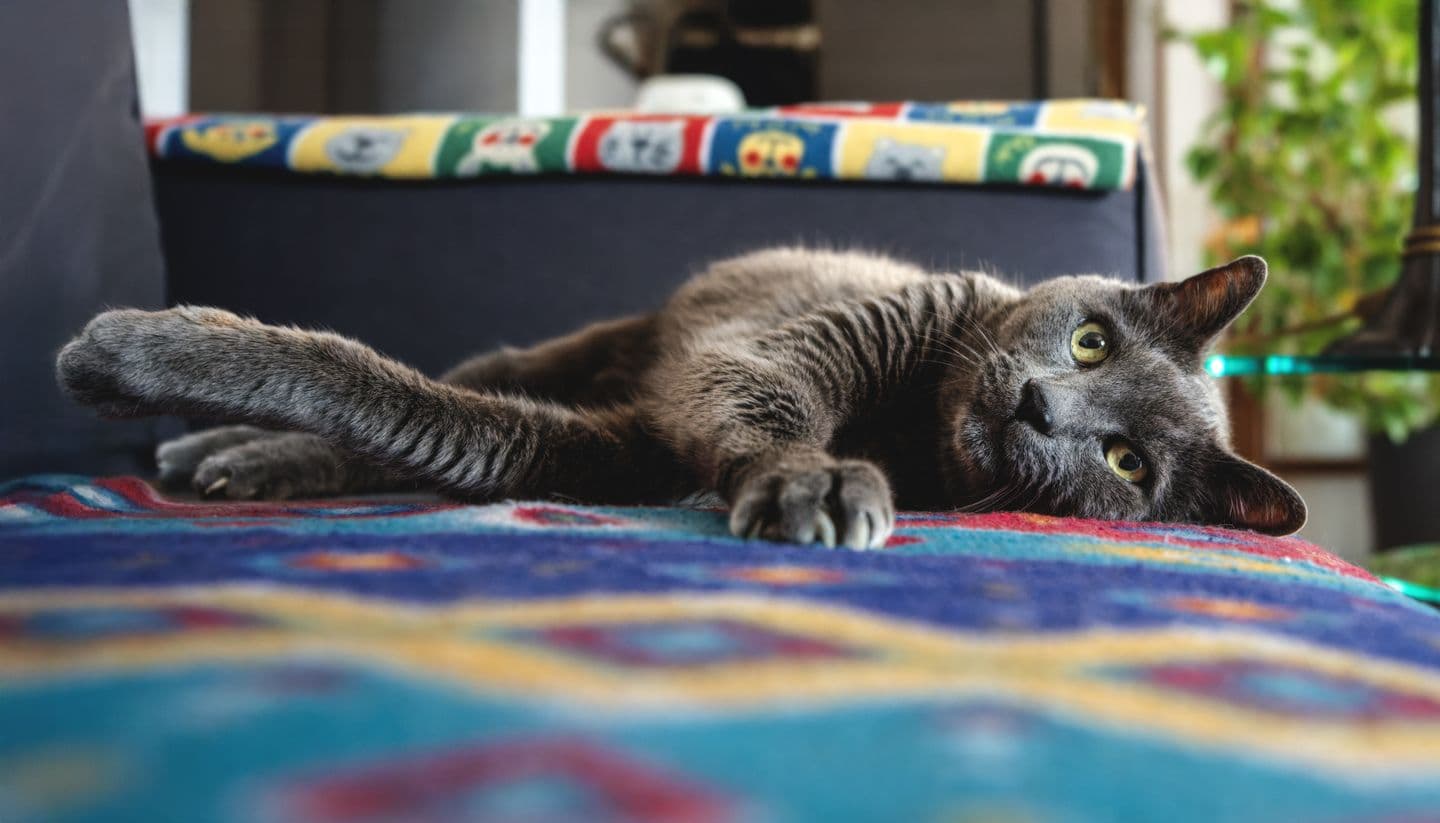
Places Where Cats Like to Be Pet (and the Ones to Avoid)
Every cat has individual preferences, but there are a handful of spots most cats consistently enjoy, and a handful most cats tolerate poorly. Learning the general map before experimenting saves both o
Every cat has individual preferences, but there are a handful of spots most cats consistently enjoy, and a handful most cats tolerate poorly. Learning the general map before experimenting saves both of you an unnecessary scratch.
The spots most cats enjoy
The base of the ears and the temples, where scent glands concentrate and gentle scratching mimics mutual grooming between cats.
Under the chin, an area a cat cannot easily reach or scratch itself, which is why most cats lean into a good chin scratch almost immediately.
The cheeks, just beside the whiskers, another scent-gland-rich area many cats rub against furniture and people to mark as familiar.
The base of the tail, for cats that enjoy it, though this varies more between individuals than the other spots and is worth introducing gently.
Spots to approach carefully
The belly, which looks irresistibly soft but covers vital organs a cat instinctively protects, even a relaxed, trusting cat may reflexively grab or nip a hand that lingers there.
The paws, sensitive and packed with nerve endings, most cats tolerate a brief touch for nail trimming but dislike prolonged handling.
The tail itself, rather than its base, since cats are notably sensitive along its length and many dislike it being touched or held at all.
The whiskers, which are deeply rooted sensory organs, not just decorative fur, and should never be trimmed or tugged.
Reading the response, not just the map
Even within these general guidelines, individual cats vary considerably. The best approach is to start with a light touch in one of the generally enjoyed spots, then watch the response: a raised chin, leaning into your hand, or a slow blink all signal enjoyment, while flattened ears, a swishing or thumping tail, or skin rippling along the back are signs to stop. Over time, most owners build a fairly precise map of their own particular cat's likes, which rarely matches exactly what any general guide predicts.
When you have more than one cat at home
In a multi-cat household, preferences are worth learning separately for each cat rather than assuming they overlap. Two cats from the same litter can have completely different tolerances, one might adore a long back scratch while the other barely tolerates a chin rub before walking off. It also helps to pet cats one at a time where possible, particularly during a first introduction between cats that do not know each other well, since petting one cat while another watches closely can occasionally read as favouritism and add a little unnecessary tension to an already delicate relationship.
Almost every calico cat you meet, with that distinctive patchwork of orange, black and white, will be female. This is not folklore, it comes down to genetics, and it is one of the more elegant example
A swollen eye looks alarming, and it should get your attention quickly. The eyelid, the eyeball itself, or the tissue around the eye can all swell for very different reasons, so working out which one
Most cats never need their claws trimmed at all, and clipping can even work against them, since cats rely on their claws for both defence and climbing. As cats age and become less mobile, though, claw